Summary
Biography
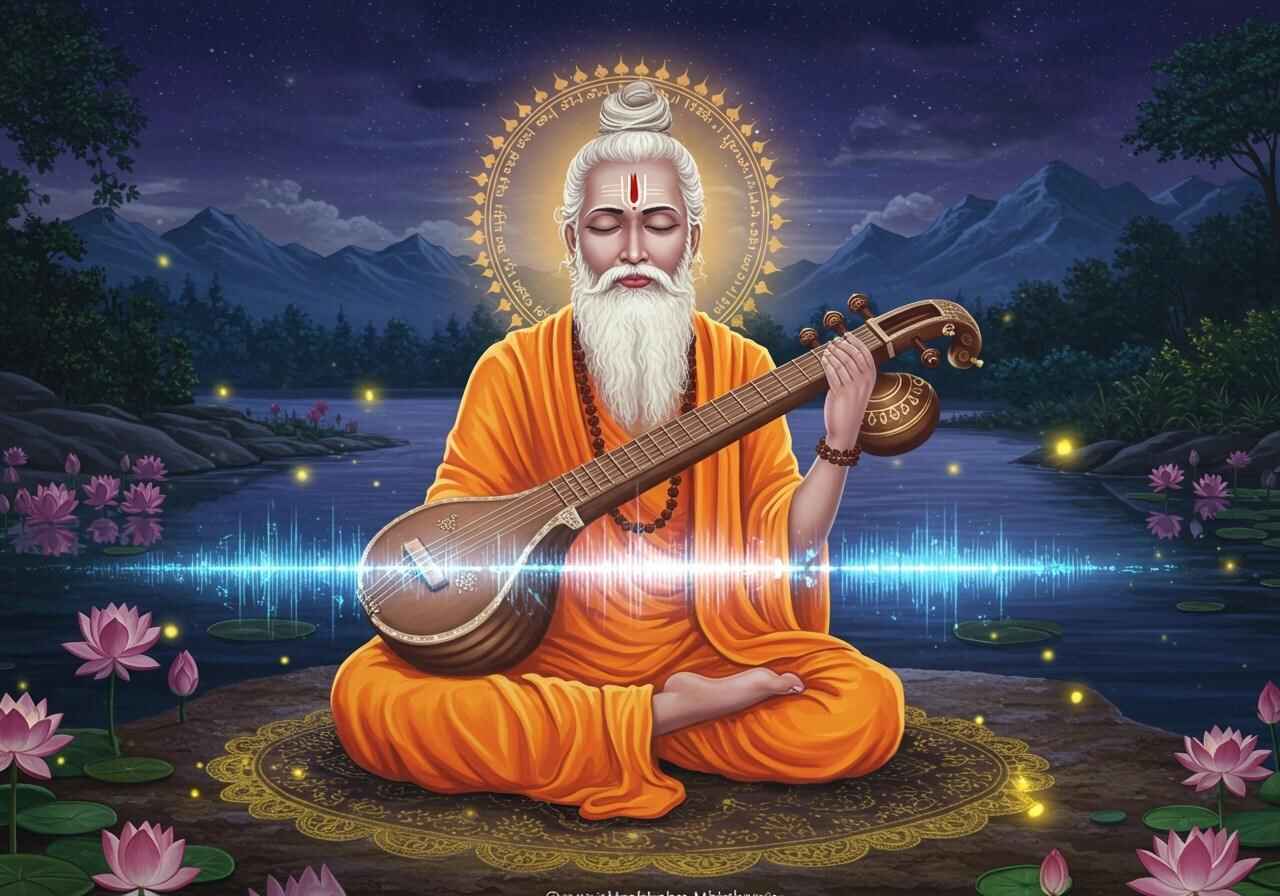
Vamadeva is a revered sage in Hinduism, often regarded as one of the prominent figures of the Vedic tradition. He is considered to be the son of Sage Atri and his wife Anasuya, who are also among the Saptarishi (Seven Great Sages). Vamadeva’s name is closely associated with wisdom, spiritual insight, and the pursuit of knowledge, and he is one of the most respected figures in Vedic literature and philosophy.
Birth and Lineage:
Sage Vamadeva was born into a distinguished lineage. His father, Atri, was one of the Saptarishi and a renowned figure in Vedic and Upanishadic thought. His mother, Anasuya, was a great and revered woman known for her purity and devotion. Being born into such a family, Vamadeva was destined for greatness, particularly in the realms of knowledge, spirituality, and Vedic wisdom.
As the son of Atri, Vamadeva inherited a rich spiritual heritage and was taught the sacred knowledge passed down through generations. He is often mentioned alongside his brothers, who were also great sages, contributing significantly to the spiritual fabric of ancient India. Vamadeva’s early life was marked by a deep inclination toward spiritual pursuits, which led him to engage in intense meditation and study of the Vedic texts.
Vamadeva and the Vedic Tradition:
Vamadeva was one of the prominent sages associated with the Rigveda, the oldest of the Vedic texts. He is believed to have contributed to the hymns of the Rigveda, where his teachings and wisdom can be found interwoven in the ancient verses. Vamadeva’s deep knowledge of the Vedas and his spiritual insight made him one of the key figures in the preservation and interpretation of Vedic wisdom.
Sage Vamadeva is often depicted as a deeply reflective and enlightened sage, whose understanding of the universe transcended the material world. He is associated with many philosophical and spiritual discourses that address the nature of the self, the relationship between the individual soul (Atman) and the ultimate reality (Brahman), and the importance of devotion and meditation in attaining enlightenment.
Vamadeva Upanishad:
One of the key texts associated with Sage Vamadeva is the Vamadeva Upanishad, a significant text in the Vedantic tradition. The Vamadeva Upanishad is part of the Atharvaveda, and it offers profound teachings on meditation, the nature of the self, and the ultimate reality.
In the Vamadeva Upanishad, Sage Vamadeva speaks about the nature of the Supreme Being, describing how the entire cosmos is imbued with the divine essence. He teaches that the true nature of the self is Brahman and that realizing this unity with the ultimate reality is the key to liberation (Moksha). Through meditation and self-inquiry, one can transcend the limitations of the body and mind and experience oneness with the divine.
The teachings in this Upanishad are particularly focused on the concept of Atman (the individual soul) and Brahman (the universal soul). The central message of the Vamadeva Upanishad is that the soul is eternal and indestructible, and by realizing this truth, one can achieve liberation from the cycle of birth and death.
Teachings of Vamadeva:
Sage Vamadeva’s teachings are rooted in the core principles of Vedic and Upanishadic philosophy, which emphasize self-realization, meditation, and devotion as paths to spiritual liberation. His teachings are often centered around the following themes:
- Self-Realization (Atman-Brahman Unity):
- Vamadeva’s most important teaching is the concept of the unity between Atman (the individual soul) and Brahman (the Supreme Reality). He believed that the true nature of the soul is not bound by the limitations of the body or the mind but is, in essence, divine and eternal. By meditating on the self and understanding its true nature, one can experience this oneness with Brahman, which leads to liberation from the material world.
- Meditation and Self-Discipline:
- Vamadeva emphasized the importance of meditation as a means to attain spiritual insight and wisdom. He taught that through regular practice of meditation and self-discipline, one can purify the mind and heart, leading to a direct experience of the divine. Vamadeva’s teachings stress that a focused mind and a pure heart are essential for attaining spiritual realization.
- Devotion to the Divine:
- Like many of the Vedic sages, Vamadeva emphasized the importance of devotion (bhakti) to the divine as an essential part of the spiritual path. While meditation and knowledge are central to Vedic philosophy, Vamadeva also taught that devotion to the divine, expressed through prayer, ritual, and worship, is a powerful means of attaining liberation and inner peace.
- The Impermanence of the Physical World:
- Vamadeva’s teachings include the idea that the physical world is temporary and that true happiness and peace lie beyond the material realm. Through the practice of meditation and spiritual discipline, one can transcend the limitations of the physical world and realize the eternal, unchanging nature of the soul.
- The Eternal Nature of the Soul:
- Vamadeva taught that the soul is eternal, indestructible, and beyond birth and death. This teaching forms the foundation of the Vedantic philosophy, which sees the ultimate goal of human life as realizing one’s eternal nature and merging with the Supreme.
Vamadeva’s Legacy:
Sage Vamadeva’s contributions to Vedic philosophy and spiritual teachings have had a profound impact on the development of Hindu thought. His association with the Vamadeva Upanishad and his teachings on self-realization, meditation, and devotion continue to be studied by scholars, spiritual seekers, and practitioners of Vedanta and other branches of Hindu philosophy.
Vamadeva’s teachings are also important in the context of the broader Upanishadic tradition, which focuses on the knowledge of the self and the universe as a means of achieving liberation. The Vamadeva Upanishad remains a valuable text in Vedantic studies, and its teachings continue to inspire those seeking spiritual wisdom and liberation.
Vamadeva in Hindu Scriptures:
Vamadeva is mentioned in several important Hindu texts, including the Rigveda, where his hymns and contributions to the Vedic tradition are acknowledged. In addition, he is referenced in various Upanishads, including the Vamadeva Upanishad, and is considered a great teacher of spiritual knowledge. His wisdom and teachings have also been passed down through generations of sages, scholars, and spiritual seekers, making him a central figure in Hindu philosophy and spiritual literature.
Conclusion:
Sage Vamadeva is a pivotal figure in Hindu spiritual and philosophical traditions. As the son of the great sage Atri, Vamadeva inherited a rich legacy of knowledge and wisdom. His association with the Vamadeva Upanishad and his profound teachings on self-realization, devotion, and meditation continue to guide spiritual seekers on the path to enlightenment. Vamadeva’s insights into the nature of the self and the divine, along with his emphasis on discipline and devotion, make him a timeless figure in the history of Hindu thought. His teachings remain relevant today, inspiring those who seek to understand the deeper truths of existence and the path to liberation.