Summary
Biography
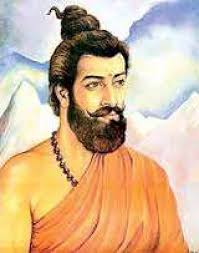
Sage Angira is one of the most revered and respected sages in Hindu tradition, known for his deep understanding of the Vedas and his crucial role in the development of Vedic rituals. As one of the Saptarishi (Seven Great Sages), Angira stands out as a key figure in the establishment of the Vedic traditions and the dissemination of knowledge related to cosmic order and divine laws. He is regarded as one of the foremost teachers of sacred rituals and is often associated with the Angirasa lineage, a prominent family of sages in Hinduism.
Early Life and Lineage:
Sage Angira is traditionally described as one of the Manasaputras (mind-born sons) of Brahma, the Creator god, like many other Saptarishis. He is considered to be born from the divine mind of Brahma and was endowed with immense spiritual wisdom from birth. Angira’s lineage is known as the Angirasa lineage, and it is from this lineage that many other important sages and scholars descended.
Angira’s family is recognized for its significant role in the development of Vedic traditions, and it is said that his descendants, the Angirasas, continued to carry forward his teachings on rituals, ethics, and cosmic law. The Angirasa family became one of the most prominent lineages in the Vedic tradition, often producing great scholars, sages, and philosophers who contributed to the spiritual and intellectual development of ancient Hinduism.
Role in the Vedas and Rituals:
Angira’s contributions to the Vedas, especially the Rigveda, are significant. He is credited with composing several hymns dedicated to the gods, the cosmos, and the processes of creation. These hymns are not only important for their literary value but also for their ritualistic significance. Angira's hymns are often related to the performance of Vedic sacrifices (yajnas) and other religious ceremonies, making him an expert in the field of karma (ritual action).
Angira is especially known for his expertise in Yajurveda, which deals extensively with the proper performance of rituals, sacrifices, and prayers. His teachings are considered foundational in the development of the Vedic understanding of cosmic balance and the way humans must interact with the divine through sacred rituals. His hymns emphasize the importance of performing rituals with devotion and precision, understanding that each act in the material world reverberates in the cosmic order.
Angira and the Creation of the Angirasa Lineage:
One of Angira’s greatest legacies is the establishment of the Angirasa lineage, which became one of the most influential families of sages in Hinduism. The Angirasa family is known for its immense contributions to Vedic knowledge, and many of its members played significant roles in the preservation and transmission of Vedic wisdom.
The Angirasa lineage is believed to have produced numerous sages who contributed to the Vedas, including some of the key figures in the development of Vedic philosophy and rituals. In this way, Angira not only contributed to the immediate knowledge of his time but also ensured that his teachings were passed down for generations.
Angira’s Teachings on Cosmic Order:
Angira’s teachings also emphasized the concept of rta, or the cosmic order, which is a central concept in the Vedas. According to Angira, all rituals, sacrifices, and prayers must align with the cosmic laws of nature, and humans must follow these laws in their daily lives to maintain harmony in the universe. He taught that the proper performance of rituals would lead to prosperity, peace, and spiritual growth, while neglecting these laws would result in chaos and imbalance.
In his teachings, Angira connected the material world with the divine, showing how human actions affect the cosmic order. He believed that rituals were not just mechanical acts but sacred opportunities to reconnect with the divine and bring about cosmic harmony.
Angira in the Puranas:
Sage Angira is also mentioned in various Puranas, where he is shown as a key figure in the Vedic cosmology. He is often associated with the creation of the world and the maintenance of cosmic law. His role as a teacher of divine knowledge is further highlighted in these texts, where he is seen guiding other sages, kings, and even gods in the performance of rituals and the understanding of dharma.
In the Mahabharata, Angira’s wisdom is revered, and he is frequently cited as a source of knowledge for various characters. His name is invoked during discussions of divine law, the duties of rulers, and the importance of ritual and ethics. The Angirasa family continues to be mentioned in various Puranic texts, emphasizing their role in shaping Vedic traditions.
Angira’s Influence on Later Traditions:
The influence of Sage Angira extends beyond the Vedic texts and into later traditions of Hinduism, particularly in the development of Jyotisha (Vedic astrology) and other spiritual practices. His teachings on the importance of understanding the laws of the cosmos and performing rituals with precision laid the foundation for many of the ritualistic and philosophical practices that continue to be observed in Hinduism today.
His teachings on cosmic order and the performance of sacred actions also influenced the development of later philosophical schools, including those of Samkhya and Vedanta. In these schools, the concept of aligning oneself with the cosmic laws (rta) and understanding the interconnectedness of all things remains a central tenet.
Legacy and Influence:
Sage Angira’s legacy is vast and enduring. As a Vedic sage and master of rituals, his teachings continue to shape Hindu philosophy, spirituality, and religious practices. The Angirasa lineage, which traces its roots back to him, remains a revered family of sages in Hindu tradition. Through his contributions to the Vedas, the understanding of cosmic law, and the performance of rituals, Angira helped lay the foundation for the spiritual and philosophical development of ancient India.
His wisdom continues to inspire spiritual seekers, scholars, and practitioners who look to the Vedic texts and rituals to understand the divine order and their place within the universe. As one of the Saptarishi, Angira’s legacy is integral to the preservation and transmission of Vedic knowledge and the spiritual practices that guide millions of Hindus today.
Conclusion:
Sage Angira is one of the most revered and influential figures in the history of Hinduism. His teachings on the proper performance of rituals, his role in the establishment of the Angirasa lineage, and his deep understanding of cosmic order continue to shape the spiritual landscape of Hinduism. Through his hymns, rituals, and philosophical teachings, Angira remains a guiding light for those seeking to understand the divine laws that govern the universe and the importance of living in harmony with them.