Summary
Biography
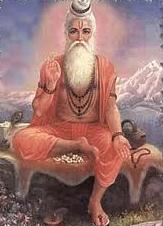
Sage Kashyapa is one of the seven great sages (Saptarishi) and a pivotal figure in Hindu cosmology and mythology. Known for his immense wisdom and spiritual powers, Kashyapa is regarded as one of the most prominent rishis in the Vedic tradition. He is credited with fathering numerous divine beings, including the Adityas (sun gods), Asuras (demons), Rakshasas (evil spirits), Nagas (serpents), and other celestial beings. His role in creation, the balance of cosmic forces, and his connections to both gods and demons make him a complex and important figure in Hindu lore.
Early Life and Lineage:
Kashyapa is traditionally described as one of the Manasaputras (mind-born sons) of Brahma, the Creator god. According to Hindu texts, Kashyapa was born from the mind of Brahma along with other great sages such as Atri, Vashishta, and Bhrigu. He is sometimes referred to as the "father of all creatures," as his descendants include both celestial beings and non-divine creatures, reflecting the interconnectedness of all beings in the cosmic order.
Kashyapa is also sometimes described as the son of Marichi, one of the ten Prajapatis (lords of creation), and the grandson of Brahma. He is the husband of Aditi, the divine mother of the Adityas (the solar deities), and Diti, the mother of the Asuras (demons). Through these marriages, Kashyapa became the father of two powerful lineages: one of divine beings (the Adityas) and one of beings opposed to the gods (the Asuras), which plays a central role in the ongoing cosmic struggle between good and evil in Hindu mythology.
Role in Creation:
As a prominent sage and one of the Saptarishi, Kashyapa is often regarded as a key figure in the creation myths of Hinduism. His ability to create and father so many different beings is linked to his role in the process of cosmic generation. In several Hindu texts, Kashyapa is credited with being a progenitor of various groups of deities, demons, and creatures, all of whom play a significant role in the unfolding of the universe’s cycles of creation and destruction.
Kashyapa’s divine progeny include:
- The Adityas: These are twelve solar deities, among whom Vivasvan (the Sun God) is the most well-known. The Adityas are often depicted as gods of light and truth, symbolizing the righteous forces of the universe.
- The Asuras: The Asuras are considered to be powerful beings often in opposition to the gods. Some of the most famous Asuras, including Vritra, Ravana, and Hiranyakashipu, are his descendants. The Asuras, while not inherently evil, are typically portrayed as beings who become enemies of the gods due to their desire for power and control.
- The Rakshasas: These are malevolent beings in Hindu mythology, many of whom are also the progeny of Kashyapa, specifically through his union with the demoness Diti.
- The Nagas: These are serpentine beings, often associated with water and the underworld. Kashyapa fathered the Nagas with his wife Kadru.
- The Daityas: Another race of powerful beings descended from Kashyapa and Diti. The Daityas are frequently in conflict with the gods.
- The Garudas: Kashyapa's offspring with Vinata gave birth to the Garuda, a mighty bird and the vehicle of Lord Vishnu, often seen as the enemy of the serpents (the Nagas).
Through his numerous marriages and offspring, Kashyapa is seen as the father of nearly every class of beings in Hindu mythology, making him a central figure in the Hindu pantheon.
Kashyapa’s Role in the Cosmic Balance:
Kashyapa’s importance in Hindu cosmology cannot be overstated. His offspring represent the balance between cosmic forces, including creation, preservation, and destruction. While the Adityas (sun gods) symbolize the forces of light, truth, and order, the Asuras (demons) represent darkness, chaos, and opposition. The eternal conflict between these two forces is a central theme in many Hindu texts, including the Mahabharata and the Ramayana.
Kashyapa’s progeny also highlight the duality present in the universe—the interplay between opposites, such as gods and demons, light and darkness, creation and destruction. This duality is essential to the ongoing cycles of creation (srishti), preservation (sthiti), and dissolution (pralaya) that define the cosmic order.
Kashyapa and His Teachings:
While Kashyapa is not as widely cited in the Vedic hymns as some of the other Saptarishi, his spiritual teachings and wisdom are significant. He is often depicted as a sage of great knowledge, particularly in the areas of cosmology, creation, and the laws of nature. His teachings are said to focus on the principles of dharma (righteous living) and the balance of forces in the universe.
Kashyapa’s role as a teacher is most evident in his guidance to his sons and other beings. In many texts, Kashyapa is portrayed as a spiritual guide who imparts knowledge on how to live in harmony with the cosmic order and uphold the principles of dharma. His ability to father so many diverse beings, both divine and demonic, reflects his deep understanding of the complexity and interdependence of all aspects of the universe.
Kashyapa in Hindu Texts:
Sage Kashyapa is mentioned in several important Hindu texts, including the Rigveda, Mahabharata, Ramayana, and various Puranas. In the Mahabharata, his teachings and his offspring are often cited in discussions of cosmic balance and the eternal struggle between good and evil. In the Ramayana, his lineage plays a crucial role, particularly in the story of Ravana, a demon king who was a descendant of Kashyapa and Diti. Ravana’s actions ultimately set the stage for Lord Rama’s incarnation and the battle to restore cosmic order.
Kashyapa’s Legacy and Influence:
Sage Kashyapa’s legacy is deeply intertwined with the concepts of creation, the cosmic balance of forces, and the diversity of life forms in the universe. His role as the father of both gods and demons highlights the cyclical nature of the universe and the necessary existence of opposites within it.
As one of the Saptarishi, Kashyapa’s influence is felt not only in Hindu mythology but also in the philosophy and spiritual practices that have evolved over millennia. His teachings, particularly on the balance between opposing forces, continue to resonate in the minds of spiritual seekers and philosophers today.
Conclusion:
Sage Kashyapa remains one of the most revered and influential sages in Hindu tradition. His role as the father of many gods, demons, and other celestial beings places him at the heart of Hindu cosmology. Through his offspring, Kashyapa exemplifies the interconnectedness of all beings and the cosmic duality that defines the universe. His teachings on dharma, creation, and the balance of forces continue to inspire those who seek a deeper understanding of the nature of existence and the interplay between good and evil in the world.