Summary
Biography
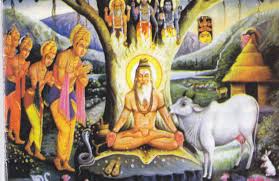
Sage Dadhichi is one of the most revered sages in Hindu mythology, particularly remembered for his extraordinary act of self-sacrifice. His story is most famously recounted in the Mahabharata, where his bones were used by the gods to craft the Vajra, the mighty thunderbolt weapon wielded by Lord Indra to defeat the demon Vritra. His selfless sacrifice is considered one of the greatest acts of devotion and courage in Hindu tradition, symbolizing ultimate surrender and the power of selfless service for the greater good.
Early Life and Lineage:
Dadhichi was a highly respected sage in Vedic texts, known for his deep wisdom, knowledge of the Vedas, and commitment to spiritual practice. He is often described as the son of the Prajapati (creator deity) Atharva and the sage Vishwajini. Some accounts also describe him as the son of Brahma, making him a direct descendant of the Creator God. His lineage is considered noble and pure, embodying the highest standards of dharma (righteousness) and spiritual discipline.
Dadhichi was a sage of great intellect and strength, known for his contributions to various Vedic rituals and spiritual teachings. His life is a testament to the values of wisdom, devotion, and sacrifice, which are core tenets of the Vedic tradition.
Dadhichi and the Gods’ Struggle with Vritra:
The most famous episode of Dadhichi’s life is his act of self-sacrifice in the battle between the gods and the demon Vritra. Vritra, a powerful demon, had gained immense strength and was wreaking havoc on the heavens, withholding the waters of the world and causing great suffering. The gods, including Lord Indra, were unable to defeat Vritra with their conventional weapons.
In their time of need, the gods approached Sage Dadhichi for help. Recognizing that only a mighty and divine weapon could defeat the demon, they requested Dadhichi’s assistance. To create this weapon, Indra and the other gods needed Dadhichi’s bones, as they were said to be imbued with immense spiritual power.
Without hesitation and motivated by his deep devotion to the divine and his sense of duty to protect the cosmos, Sage Dadhichi agreed to sacrifice his own life. He performed intense meditation and offered his body for the creation of the Vajra, the weapon that would be used to defeat Vritra.
The Sacrifice of Dadhichi:
Dadhichi’s willingness to give up his own body to create the Vajra is regarded as one of the highest acts of selflessness in Hindu mythology. His sacrifice is symbolic of the ultimate devotion and surrender to divine will, representing the principle that the highest service to the gods and the cosmos may require personal sacrifice.
When the gods asked for his bones, Dadhichi did not hesitate, and through his penance and meditation, he was able to separate his soul from his body, leaving behind a body of pure strength and spiritual power. The gods, with the help of the divine architect Vishvakarma, used his bones to fashion the mighty Vajra, a weapon that was said to be as hard as diamond and capable of destroying the fiercest of enemies.
The creation of the Vajra marked a turning point in the battle between the gods and Vritra. Armed with this weapon, Lord Indra was able to defeat Vritra, releasing the waters of the world and restoring balance to the universe. The Vajra became a symbol of divine strength, righteousness, and the power of sacrifice.
Symbolism of Dadhichi’s Sacrifice:
Dadhichi’s sacrifice of his bones to create the Vajra has deep philosophical and spiritual significance. His act demonstrates the power of selfless action and devotion to the divine order. In many ways, it symbolizes the concept of tapasya (austerity), where the sage’s personal sacrifices bring about divine benefits for the world. This act of supreme sacrifice reflects the belief that true devotion to the divine often requires the surrender of the self for the greater good of the universe.
Dadhichi’s sacrifice also emphasizes the idea that the material world is not permanent, and true strength lies in spiritual power. By offering his physical body, which was mere flesh and bone, Dadhichi attained eternal spiritual significance, as his bones were used for the divine cause.
Dadhichi’s Legacy and Influence:
The story of Sage Dadhichi has left a profound impact on Hinduism and Vedic traditions. He is venerated as a symbol of sacrifice, devotion, and the spirit of service. His life teaches that true greatness lies not in personal gain, but in serving the greater cosmic order, even if it requires personal loss or suffering.
Dadhichi’s act of sacrifice is often cited in Hindu scriptures and teachings to demonstrate the importance of living in accordance with divine will. He is seen as a hero who transcended the ego and acted selflessly for the welfare of the world, aligning himself with the eternal principles of dharma and cosmic justice.
Dadhichi in the Mahabharata:
While the story of Dadhichi’s sacrifice is most famously told in the Vishnu Purana and Rigveda, it is also mentioned in the Mahabharata. The Mahabharata recounts how the Vajra created from Dadhichi’s bones was instrumental in the cosmic balance and the victory of the gods over Vritra, a demon who had thrown the world into chaos. The Mahabharata further emphasizes the ideals of selfless devotion and the importance of spiritual strength over physical prowess.
Dadhichi’s story is frequently cited in the context of selfless action in Hindu philosophy, where he serves as an example of the highest form of duty to the divine and the greater good.
Dadhichi’s Connection to the Cosmic Order:
Dadhichi’s sacrifice also highlights the deeper connection between the material and spiritual worlds. His body, though physical and temporary, was transformed into an instrument of divine action that altered the course of the universe. This reflects the idea in Hinduism that the divine is ever-present in all aspects of creation, and every act, no matter how small or seemingly insignificant, has the potential to influence the greater cosmic balance.
By surrendering his material body, Dadhichi connected with the eternal, transcendent reality, and his spiritual legacy continues to inspire devotion and selflessness among Hindus. His story is often invoked by those who seek to understand the deeper meanings of sacrifice and the spiritual path.
Conclusion:
Sage Dadhichi’s story is one of the most profound in Hindu mythology, symbolizing the ultimate act of selfless devotion and sacrifice for the divine cause. His willingness to give up his own body to create the Vajra weapon, which was used to defeat the demon Vritra, reflects the highest ideals of dharma and service to the greater good. His legacy as a sage who transcended the physical world for the benefit of the cosmos continues to inspire spiritual seekers and followers of Hindu philosophy. Dadhichi remains a shining example of how personal sacrifice and spiritual devotion can bring about profound, world-altering change.