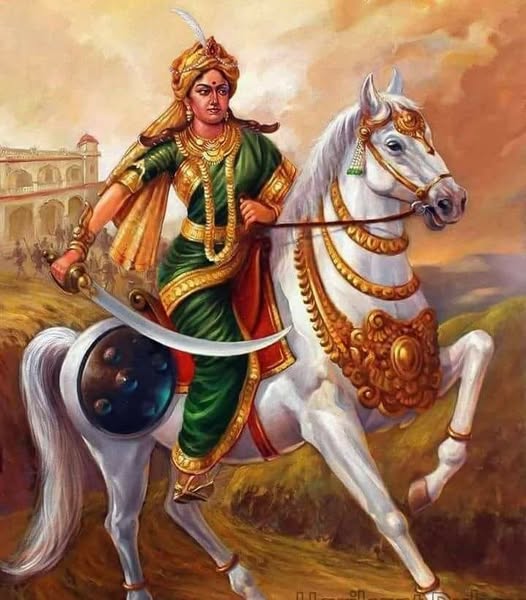
Personal Information
- Place of Birth: 1730, Kolli Hills, Tamil Nadu, India
- Place of Death: 1796, Sivaganga, Tamil Nadu, India
- Nationality: Indian
- Occupation: Queen, Warrior, Freedom Fighter, Strategist, Leader, Administrator
- Era: 18th Century, Pre-British Colonial Resistance, Early Indian Freedom Movement
Summary
Biography
Velu Nachiyar, born in 1730 in the Kolli Hills of Tamil Nadu, India, is remembered as one of the earliest Indian queens to resist British colonial expansion. Known as the Veeramangai, or Brave Woman, she ruled the kingdom of Sivaganga and became a symbol of courage, leadership, and resistance for generations. Her strategic vision and unwavering commitment to her people’s welfare make her an iconic figure in the history of India’s struggle against colonial domination.
Early Life and Royal Heritage
Velu Nachiyar was born to King Chellamuthu Vijayaragunatha Sethupathi of the Ramnad dynasty and a princess from the Kolli Hills. From an early age, she demonstrated exceptional intelligence, physical agility, and a strong sense of justice. Trained in martial arts, horse riding, and military strategy, Velu Nachiyar was well-prepared to take on leadership responsibilities in a time when the subcontinent faced constant threats from colonial powers.
Her upbringing in a politically and culturally rich environment instilled in her a deep understanding of governance, diplomacy, and warfare. She was well-versed in Tamil literature, local traditions, and military strategy, which later proved instrumental in her resistance against the British.
Ascension to Leadership
Velu Nachiyar’s life took a dramatic turn after the death of her husband, Muthu Vaduganatha Periya Udaiyathevar, the king of Sivaganga, who was killed in battle against the British East India Company in 1772. Faced with the imminent threat of British annexation, Velu Nachiyar assumed leadership of the kingdom. At a time when female rulers were rare, she displayed remarkable courage, determination, and political acumen.
Understanding the challenges ahead, she formed alliances with neighboring kingdoms and local chieftains. She also relied heavily on the loyalty of her people and the support of trusted generals, including the legendary commander Kuyili, a commander and warrior who became famous for her daring suicide attack against the British forces.
Military Strategy and Guerrilla Warfare
Velu Nachiyar is considered the first Indian queen to organize a structured military resistance against the British. She recognized that conventional warfare was not sufficient against the technologically superior British forces. Instead, she pioneered guerrilla tactics, employing small, mobile units to harass the enemy, disrupt supply lines, and create psychological pressure on British troops.
Her forces often struck under the cover of night, using the dense forests and hilly terrain of Sivaganga to their advantage. This approach not only protected her army from direct defeat but also allowed sustained resistance for several years. Her ability to combine local knowledge with strategic planning earned her a formidable reputation among both allies and enemies.
Formation of Alliances
Velu Nachiyar understood the importance of alliances in resisting the British. She sought the support of neighboring kingdoms, tribal communities, and local militias. Her diplomacy ensured that her kingdom could continue to resist despite limited resources. She maintained strong communication networks and fostered loyalty among her subjects, which proved vital in sustaining long-term resistance.
Kuyili, her trusted commander, became a symbol of bravery and sacrifice. In one of the most celebrated events of her resistance, Kuyili set herself on fire and attacked a British ammunition depot, destroying it and significantly weakening the enemy’s position. This act of selflessness inspired Velu Nachiyar’s troops and solidified her reputation as a leader who inspired heroism and loyalty.
Governance and Social Reforms
Beyond her military prowess, Velu Nachiyar was a wise and compassionate ruler. She implemented administrative reforms to improve the welfare of her people, maintained justice, and ensured protection for farmers and local communities. She encouraged education, promoted cultural activities, and respected religious diversity within her kingdom.
Her leadership style combined courage with empathy. She was actively involved in decision-making, from military campaigns to civil administration, earning the admiration of her subjects. Her reign is remembered not only for resistance against colonial forces but also for good governance and social responsibility.
Resistance Against British Expansion
Velu Nachiyar’s resistance against the British was long-lasting and effective. Despite facing superior firepower and resources, she continuously harassed British forces, reclaimed territories, and maintained the independence of Sivaganga for years. Her resilience frustrated British officials and inspired other regional leaders to oppose colonial domination.
Her ability to combine military strategy with diplomacy allowed her to sustain resistance long enough to set an example for future freedom fighters. She demonstrated that courage, intelligence, and popular support could challenge even the most powerful colonial armies.
Death and Legacy
Velu Nachiyar passed away in 1796, but her legacy endured for generations. She became a symbol of bravery, patriotism, and female leadership in Indian history. Her life inspired countless freedom fighters and continues to serve as an example of how determination, strategy, and justice can empower people to resist oppression.
In Tamil Nadu, Velu Nachiyar is remembered through folk songs, ballads, and cultural narratives that celebrate her courage and leadership. Monuments, memorials, and institutions named in her honor ensure that her contributions to India’s freedom struggle are not forgotten.
Historical Significance
Velu Nachiyar’s historical significance lies in her pioneering role as a female leader who resisted colonial forces long before organized political movements emerged in India. She represents early nationalism, strategic military innovation, and women’s empowerment. Her guerrilla tactics foreshadowed the methods later used by other freedom fighters in different parts of India.
As the first queen to lead armed resistance against the British, Velu Nachiyar challenged not only colonial domination but also prevailing gender norms. Her story continues to inspire historians, scholars, and students, highlighting the often-overlooked contributions of women in India’s struggle for independence.
Conclusion
Velu Nachiyar’s life and achievements make her one of India’s most remarkable freedom fighters. Born in 1730, she rose to power in Sivaganga at a time of political turmoil and successfully resisted British forces using guerrilla tactics and strategic alliances. A visionary leader, compassionate ruler, and fearless warrior, she paved the way for women in leadership and stands as an enduring symbol of courage and patriotism. Today, Velu Nachiyar is celebrated not only as a queen of Tamil Nadu but also as a national icon of India’s early resistance to colonial rule.
