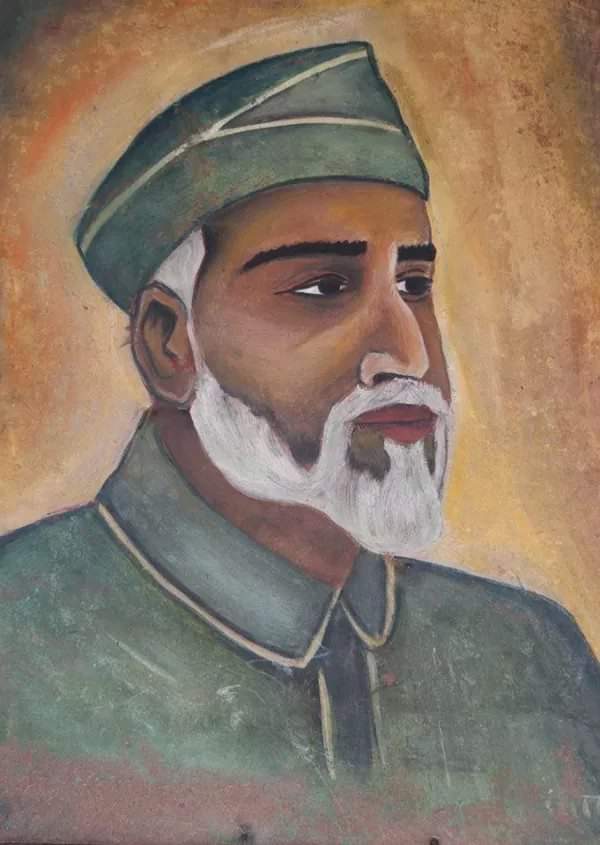
Personal Information
- Place of Birth: 1810, Bareilly, Uttar Pradesh, India
- Date of Death: 28 Feb 1859
- Place of Death: Hindon River, near Delhi, India
- Nationality: Indian
- Occupation: Rebel Leader, Military Commander, Freedom Fighter, Administrator
- Era: 19th Century, Indian Rebellion of 1857, Pre-Independence Freedom Movement
Summary
Biography
Khan Bahadur Khan, born in 1810 in Bareilly, Uttar Pradesh, emerged as a key leader of the Indian Rebellion of 1857. A leader of the Rohilla community, he became a symbol of resistance against British colonial rule and played a crucial role in organizing and leading the uprising in northern India. His bravery, leadership, and strategic skills made him a notable figure in India’s struggle for independence.
Early Life and Background
Khan Bahadur Khan was born into the Rohilla Pathan community in Bareilly. From an early age, he was trained in martial arts, horseback riding, and military strategy, preparing him for leadership roles within his community. He also gained knowledge of administration and governance, which later helped him organize the rebellion effectively.
The Rohilla community had suffered under British policies, especially after the annexation of Awadh and suppression of local rulers. This environment of oppression and injustice influenced Khan Bahadur Khan’s determination to resist British authority and fight for the autonomy of his people.
Leadership and Role in the Rebellion
During the Indian Rebellion of 1857, Khan Bahadur Khan emerged as the primary leader of the Rohilla forces in Bareilly. He successfully rallied local soldiers, civilians, and allied chieftains to challenge British control. His leadership was instrumental in reclaiming Bareilly from the East India Company during the early stages of the revolt.
Khan Bahadur Khan established administrative control over the city, managing resources, maintaining law and order, and coordinating military campaigns. His ability to combine political governance with military strategy earned him respect among his followers.
Battles and Military Strategies
Khan Bahadur Khan’s military acumen was evident in his campaigns against British forces in Bareilly and surrounding areas. He effectively employed guerrilla tactics, ambushes, and coordinated attacks to challenge better-equipped British troops. Under his leadership, the Rohilla forces maintained resistance for several months, becoming a major obstacle for colonial authorities.
He also sought alliances with other rebel leaders such as Nana Saheb and Rani Lakshmibai, coordinating efforts to strengthen the rebellion across northern India. His strategic vision and tactical expertise made him a feared and respected adversary for the British.
Capture and Execution
After the suppression of the rebellion in Bareilly, Khan Bahadur Khan was captured by the British. He was tried for treason and executed on 28 February 1859 near the Hindon River, Delhi. His execution marked the end of the Rohilla-led uprising but solidified his status as a martyr and symbol of resistance.
Khan Bahadur Khan faced his death with courage, maintaining his dignity and loyalty to the cause of Indian independence. His sacrifice is remembered as a testament to his dedication and bravery.
Legacy and Historical Significance
Khan Bahadur Khan’s legacy lies in his leadership, courage, and commitment to resisting British colonial rule. He represents the valor and resilience of the Rohilla community and other local leaders who played significant roles in the 1857 uprising. His efforts demonstrated the capacity of regional leaders to mobilize forces and challenge a powerful colonial empire.
Historically, Khan Bahadur Khan is celebrated as a revolutionary who combined administrative skill with military strategy, inspiring future generations of Indian freedom fighters.
Cultural Impact
Khan Bahadur Khan is commemorated in historical accounts, folklore, and regional narratives of the Indian Rebellion of 1857. Monuments and memorials in Bareilly honor his contributions, and his story continues to inspire research, literature, and educational discussions about India’s freedom struggle.
Conclusion
Khan Bahadur Khan (1810–1859) was a fearless leader of the Indian Rebellion of 1857, a commander of the Rohilla forces, and a symbol of resistance against British colonial rule. His strategic brilliance, courage, and dedication to his people made him one of the most respected figures of the revolt. His legacy as a freedom fighter endures, inspiring future generations and highlighting the sacrifices made by regional leaders in India’s struggle for independence.
