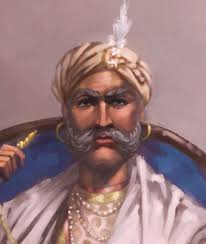
Personal Information
- Place of Birth: 1777, Jagdispur, Bihar, India
- Date of Death: 26 Apr 1858
- Place of Death: Jagdispur, Bihar, India
- Nationality: Indian
- Occupation: Raja, Military Commander, Revolutionary, Freedom Fighter, Leader of Armed Resistance
- Era: 19th Century, Indian Rebellion of 1857, Pre-Independence Freedom Movement
Summary
Biography
Kunwar Singh, born in 1777 in Jagdispur, Bihar, was a distinguished Indian ruler, military leader, and freedom fighter who played a pivotal role in the Indian Rebellion of 1857. Despite his advanced age of around 80 during the uprising, he led his forces with extraordinary courage, demonstrating exceptional strategic skill and unwavering patriotism.
Early Life and Background
Kunwar Singh was born into a royal Rajput family in Jagdispur. From a young age, he was trained in warfare, horse riding, archery, and military strategy, preparing him for leadership responsibilities. He inherited the Jagdispur estate and became the Raja, managing both administrative and military affairs. His upbringing instilled in him values of honor, bravery, and loyalty to his people.
During his reign, Kunwar Singh witnessed the growing influence of the British East India Company in Bihar and the imposition of policies that threatened local autonomy and traditional authority. These experiences shaped his resolve to resist colonial domination.
Leadership and Resistance Against British Rule
When the Indian Rebellion of 1857 broke out, Kunwar Singh emerged as one of the key leaders in Bihar. Despite being in his 80s, he actively organized, led, and inspired local forces to resist British authority. He mobilized peasants, soldiers, and local chieftains to form a coordinated resistance against the better-equipped British troops.
Kunwar Singh’s military acumen was evident in the way he planned ambushes, defensive strategies, and guerrilla attacks. He understood the terrain of Bihar and used it effectively to his advantage, disrupting British supply lines and creating strategic challenges for colonial forces.
Role in the 1857 Rebellion
Kunwar Singh played a critical role in multiple engagements against the British during the 1857 uprising. He led his troops in battles at Jagdispur, Arrah, and other parts of Bihar, demonstrating resilience and tactical skill. His leadership not only inspired the local population but also encouraged other regional leaders to join the rebellion.
He maintained high morale among his soldiers, emphasizing courage, discipline, and strategic planning. Kunwar Singh’s presence on the battlefield was a source of motivation and symbolized defiance against British oppression.
Injuries and Continued Resistance
During one of the battles, Kunwar Singh sustained serious injuries, including a wound to his leg. Despite his physical limitations, he continued to command his forces and participate in strategic planning. His determination and bravery became legendary, earning him the title Veer Kunwar Singh, meaning “Brave Kunwar Singh.”
He also coordinated with other rebel leaders like Tatya Tope and Raja Nahar Singh, forming alliances to strengthen resistance in northern India. His tactical acumen and leadership significantly delayed British advances in Bihar, demonstrating the effectiveness of local resistance.
Death and Legacy
Kunwar Singh passed away on 26 April 1858 in Jagdispur, after prolonged illness and the strain of sustained warfare. His death marked a significant moment in Bihar’s contribution to the 1857 rebellion, but his legacy of courage and resistance continued to inspire others.
Kunwar Singh is remembered as one of India’s most valiant freedom fighters. His leadership during the rebellion, personal bravery, and commitment to resisting British colonial rule made him a symbol of patriotism, particularly in Bihar. Memorials, statues, and educational curricula honor his contributions, ensuring that his story continues to inspire future generations.
Historical Significance
Kunwar Singh’s historical importance lies in his effective leadership, strategic skill, and symbolic resistance against colonial power. He demonstrated that local leaders, even in advanced age, could inspire widespread rebellion and challenge a powerful empire. His contributions highlight the regional dimensions of the Indian Rebellion of 1857 and underscore the collective efforts of Indian rulers and freedom fighters in resisting British rule.
Cultural Impact
Kunwar Singh’s valor has been commemorated in folklore, literature, and educational texts across Bihar and India. He is celebrated as Veer Kunwar Singh, a heroic figure who embodied courage, leadership, and patriotism. His life story continues to be taught in schools, inspiring young Indians to understand the sacrifices and struggles of freedom fighters during the colonial era.
Conclusion
Kunwar Singh (1777–1858), the Raja of Jagdispur, was a remarkable leader, strategist, and freedom fighter during the Indian Rebellion of 1857. His exceptional courage, tactical brilliance, and unwavering commitment to his people and country made him a legendary figure in India’s struggle for independence. Kunwar Singh remains an enduring symbol of bravery, resilience, and patriotism, particularly in Bihar and northern India.
