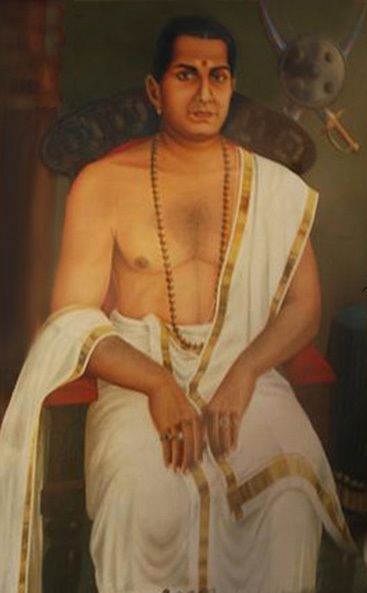
Personal Information
- Place of Birth: 1753, Kottayam, Malabar region, present-day Kerala, India
- Date of Death: 30 Nov 1805
- Place of Death: Wayanad, Kerala, India
- Nationality: Indian
- Occupation: King, Guerrilla Leader, Warrior, Freedom Fighter, Strategist, Chieftain
- Era: 18th Century, Pre-British Colonial Resistance, Early Freedom Movement in India
Summary
Biography
Pazhassi Raja, born in 1753 in Kottayam, Malabar region of present-day Kerala, is celebrated as one of India’s earliest and most courageous resistors against British colonial expansion. Known as the “Lion of Kerala,” he belonged to the royal family of Kottayam and inherited not only kingship but also the responsibility of defending his people from external threats. Pazhassi Raja’s life and struggles epitomize the spirit of resistance in southern India during the late 18th and early 19th centuries.
Early Life and Royal Heritage
Pazhassi Raja was born as Kerala Varma to the royal Kottayam family. The region of Malabar, during his birth, was politically fragmented, with local chieftains and small kingdoms often under threat from Mysore rulers and later the British East India Company. From an early age, Pazhassi Raja displayed extraordinary intelligence, courage, and leadership qualities. He received traditional education in warfare, administration, and martial arts, preparing him to take responsibility for his kingdom.
As a prince, he was deeply influenced by the socio-political conditions of Malabar. The British East India Company was gradually expanding its influence, and local rulers were coerced into treaties that undermined their sovereignty. Pazhassi Raja recognized that survival and freedom of his people depended on resisting foreign domination.
Ascension to Power
After the death of his predecessor, Pazhassi Raja became the Raja of Kottayam. He inherited a small yet strategically important kingdom. Unlike many rulers of his time, he did not rely solely on conventional armies but developed a network of local resistance fighters and tribal warriors. He understood the difficult terrain of Wayanad and Malabar, which would later become a significant advantage in his guerrilla campaigns against the British.
Conflict with Mysore and British Expansion
Before his confrontations with the British, Pazhassi Raja had to navigate the complexities of regional politics. Hyder Ali and later Tipu Sultan of Mysore had attempted to dominate Malabar. Raja initially allied with local chieftains and resisted Mysore’s forces to maintain his kingdom’s autonomy. His diplomatic and military skills ensured that Kottayam retained some level of independence even during the tumultuous wars involving Mysore, the Marathas, and other regional powers.
However, the real challenge came with the British East India Company. The Company sought to expand its control over Malabar and imposed harsh revenue demands. Pazhassi Raja’s refusal to comply triggered decades of resistance. Unlike many rulers who surrendered under pressure, he prepared his people for sustained guerrilla warfare, earning a reputation as a fearless warrior and strategist.
Guerrilla Warfare and Resistance
Pazhassi Raja’s campaigns against the British are among the earliest examples of guerrilla warfare in India. He utilized the dense forests and hilly terrain of Wayanad to conduct surprise attacks, ambushes, and raids on British forces and allies. His army, though small, was highly mobile and intimately familiar with the local geography, which gave them a distinct advantage over the organized yet less agile British forces.
The British, frustrated by their inability to defeat him through conventional battles, resorted to heavy-handed tactics, including property seizures and punitive actions against villages supporting Raja. Despite these measures, Pazhassi Raja’s leadership inspired unwavering loyalty among his subjects, who willingly risked their lives for the cause of freedom.
Personal Qualities and Leadership
Pazhassi Raja was not only a brilliant military strategist but also a just and compassionate ruler. He was deeply concerned with the welfare of his people, ensuring fair administration, protecting local customs, and supporting the tribal communities. His charisma, bravery, and fairness made him immensely popular, and his resistance was both political and moral, rooted in a sense of justice and patriotism.
He maintained alliances with neighboring rulers and leveraged the support of local communities, including tribal groups, peasants, and warriors. His ability to inspire and unify diverse groups under a common cause was crucial to the prolonged resistance against the British.
Major Battles and Campaigns
The conflict between Pazhassi Raja and the British spanned decades. Key campaigns included the Battle of Nilambur, the Battle of Thirunelli, and the multiple confrontations in Wayanad forests. Despite being heavily outnumbered and facing modern British weaponry, his forces inflicted significant losses and created a prolonged state of unrest for the British administration.
Pazhassi Raja’s campaigns are notable for their innovative tactics. He avoided direct confrontation when disadvantageous, relied on surprise attacks, utilized local intelligence networks, and mobilized ordinary citizens to support logistics and communication. His resistance is considered a precursor to the larger-scale armed struggles that would later emerge during India’s freedom movement.
Capture and Death
The British, determined to end his resistance, launched multiple campaigns to capture Pazhassi Raja. He was ultimately killed on 30 November 1805 during a skirmish in the forests of Wayanad. His death marked the end of organized guerrilla resistance in the region, but his legacy of courage, patriotism, and strategic brilliance lived on.
Even in death, Pazhassi Raja became a symbol of Kerala’s resistance against colonial domination. Local folklore, songs, and ballads immortalized his heroism, and he continues to be revered as a regional and national icon of freedom.
Legacy and Impact
Pazhassi Raja’s impact on Indian history is profound. He demonstrated that small, determined forces could challenge colonial powers through strategic innovation, local knowledge, and popular support. His guerrilla tactics influenced later freedom fighters in India, including the tribal and regional revolts of the 19th and 20th centuries.
In Kerala, he is remembered not only as a warrior but also as a just ruler who placed the welfare of his people above personal ambition. Monuments, museums, and memorials commemorate his life, ensuring that future generations understand the sacrifices made for independence.
Pazhassi Raja’s struggle embodies the spirit of early Indian nationalism—rooted in local identity, ethical governance, and resistance against oppression. He is a reminder that the fight for freedom in India began long before organized political movements and revolutions, with local kings and warriors defending their homeland with courage and strategy.
Conclusion
Pazhassi Raja’s life and struggle reflect the resilience, courage, and strategic brilliance that defined India’s early resistance against colonial rule. Born in 1753, he became the symbol of Kerala’s defiance against British domination, using guerrilla warfare and local alliances to wage a decades-long campaign. His leadership, fairness, and commitment to his people make him a timeless figure in Indian history, earning him the titles “Lion of Kerala” and “Guerrilla King of Wayanad.” Today, Pazhassi Raja is celebrated as a hero, a nationalist, and a beacon of early Indian resistance that paved the way for future generations seeking freedom and justice.
