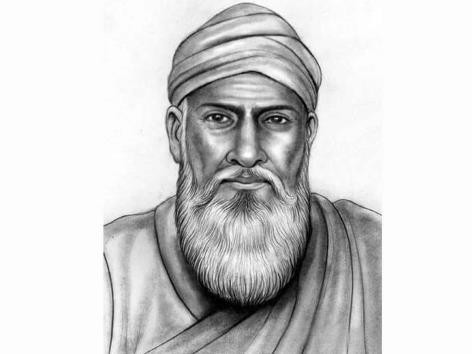
Personal Information
- Place of Birth: 1787, Faizabad, Uttar Pradesh, India
- Place of Death: 1858, Faizabad, Uttar Pradesh, India
- Nationality: Indian
- Occupation: Religious Leader, Military Commander, Freedom Fighter, Revolutionary, Strategist
- Era: 19th Century, Indian Rebellion of 1857, Pre-Independence Freedom Movement
Summary
Biography
Maulvi Ahmadullah Shah, born in 1787 in Faizabad, Uttar Pradesh, was a distinguished Indian revolutionary, religious leader, and freedom fighter who played a central role in the Indian Rebellion of 1857. Combining his religious authority with military leadership, he led uprisings in Awadh, inspiring local populations and soldiers to resist British colonial rule.
Early Life and Education
Ahmadullah Shah was born into a family of Islamic scholars in Faizabad. From a young age, he received education in theology, Islamic jurisprudence, and literature. Known for his intellect and leadership qualities, he also received military training, gaining skills in horse riding, archery, and strategy. His upbringing combined spiritual guidance with martial discipline, shaping him into a leader capable of inspiring both religious and military followers.
Religious and Political Leadership
Ahmadullah Shah was not only a spiritual leader but also a respected political figure in Faizabad. He used his influence to organize local communities against British policies, advocating for autonomy and justice. His dual role as a cleric and strategist allowed him to unify diverse groups under a common cause of resisting colonial authority.
Role in the Indian Rebellion of 1857
During the 1857 uprising, Ahmadullah Shah became one of the key leaders of the rebellion in Awadh. He mobilized local troops, organized attacks on British garrisons, and coordinated with other prominent leaders such as Begum Hazrat Mahal, Nana Saheb, and Kunwar Singh. His leadership was instrumental in orchestrating the resistance in Faizabad, which became a major center of rebellion.
Ahmadullah Shah employed guerrilla tactics, hit-and-run attacks, and strategic ambushes to counter British forces. His knowledge of the terrain and ability to inspire loyalty among soldiers made him a formidable opponent to the East India Company.
Battles and Military Campaigns
Ahmadullah Shah led several successful engagements against British forces in Faizabad, Lucknow, and surrounding regions. He was known for his strategic brilliance, personal bravery, and ability to motivate troops despite limited resources. His campaigns disrupted British supply lines, delayed reinforcements, and sustained morale among rebel forces.
Capture and Death
Ahmadullah Shah remained active in resistance until the British regained control over Awadh. He was eventually killed in battle in 1858 in Faizabad. His death marked a significant loss to the rebellion, but his legacy as a courageous leader and strategist persisted.
Ahmadullah Shah’s commitment to India’s freedom, even in the face of overwhelming odds, cemented his status as a martyr and symbol of resistance.
Legacy and Historical Significance
Maulvi Ahmadullah Shah is remembered as a fearless freedom fighter, revolutionary strategist, and religious leader. He played a crucial role in mobilizing communities and leading armed resistance during the Indian Rebellion of 1857. His actions highlighted the important contributions of regional leaders and religious figures in India’s struggle against British colonial rule.
Historically, Ahmadullah Shah’s leadership exemplifies the blending of spiritual authority and military strategy to unite people against foreign domination. His efforts contributed to the larger narrative of Indian resistance and inspired future generations of freedom fighters.
Cultural Impact
Ahmadullah Shah’s heroism is celebrated in Uttar Pradesh and Indian historical accounts. He is revered as a symbol of courage, patriotism, and moral leadership. Monuments and local commemorations honor his contributions, while literature and folk traditions preserve his memory. His story remains a critical example of the role of religious leaders in India’s fight for independence.
Conclusion
Maulvi Ahmadullah Shah (1787–1858) was a prominent leader of the Indian Rebellion of 1857, combining religious guidance with military strategy to resist British rule. His leadership in Faizabad and surrounding regions demonstrated courage, intelligence, and devotion to India’s freedom. Ahmadullah Shah’s life and legacy continue to inspire patriotic sentiment, highlighting the contributions of regional and spiritual leaders in India’s struggle against colonialism.
