Summary
Biography
Biography of Subhadra – The Princess of Dwaraka
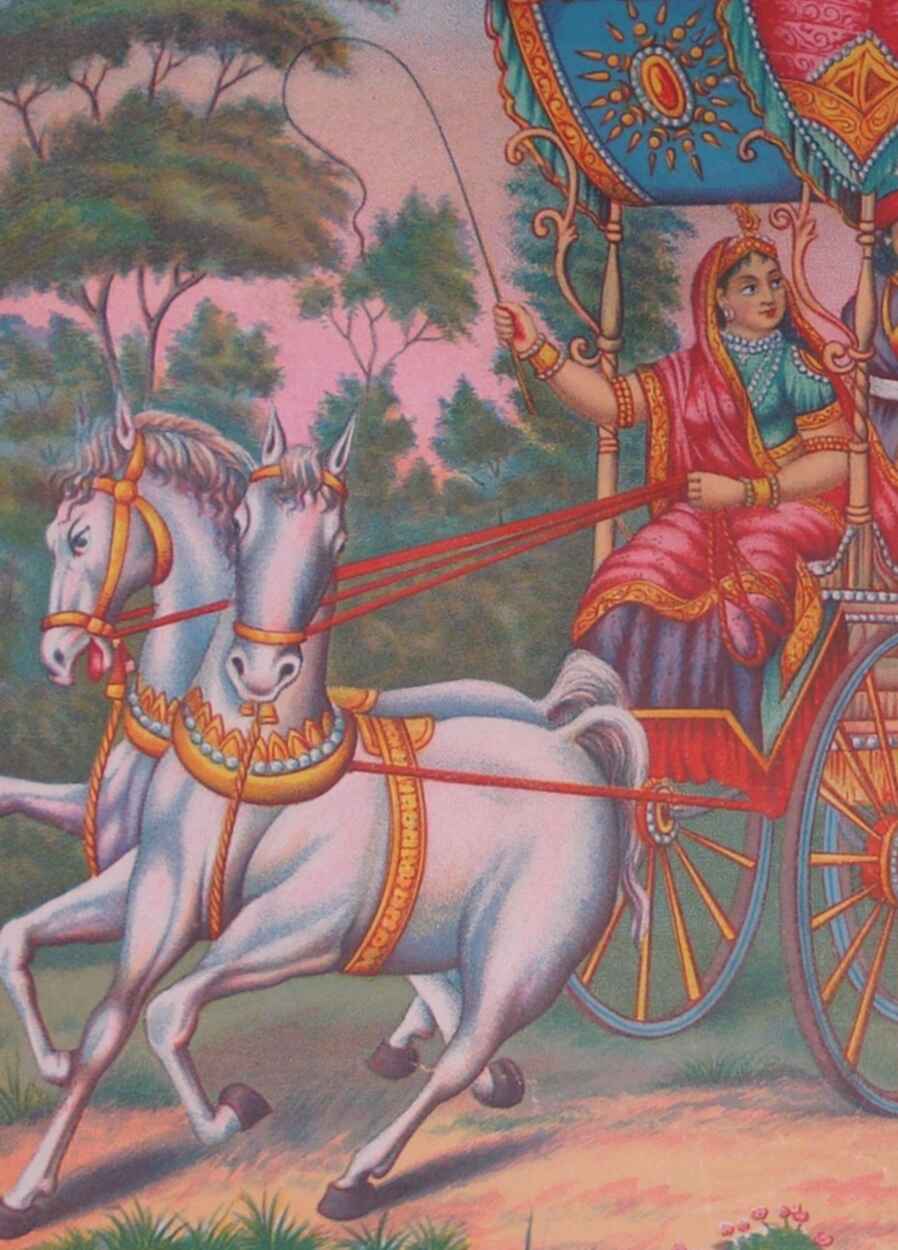
Subhadra, the daughter of Vasudeva and Rohini and sister of Lord Krishna and Balarama, is a central figure in the Mahabharata. She is most celebrated as the wife of Arjuna and the mother of Abhimanyu, playing a pivotal role in the alliance between the Pandavas and the Yadavas, and ensuring the continuity of dharma and righteousness through her son’s life.
Early Life and Birth
Subhadra was born in the city of Dwaraka, into the illustrious Yadava family. From a young age, she exhibited grace, intelligence, and virtue, admired for both her beauty and moral character. Growing up alongside her brothers Krishna and Balarama, she was exposed to the values of wisdom, courage, and devotion to dharma, which influenced her decisions and actions later in life.
Her upbringing in a politically and spiritually powerful family prepared her to play a significant role in the unfolding events of the Mahabharata, particularly in uniting powerful dynasties through marriage and motherhood.
Personality and Character
Subhadra is known for her grace, intelligence, and courage. She balanced her roles as a daughter, sister, wife, and mother with dignity and moral integrity. Subhadra demonstrated wisdom in managing relationships, loyalty to her family, and unwavering support for dharma, making her one of the revered female figures in the Mahabharata.
Her calm demeanor and strategic thinking allowed her to navigate the challenges posed by her marriage to Arjuna and the complexities of the royal families, reflecting both emotional intelligence and practical wisdom.
Marriage to Arjuna
Subhadra’s marriage to Arjuna was significant for both personal and political reasons. During Arjuna’s exile, he visited Dwaraka and was captivated by Subhadra’s beauty and virtues. With Krishna’s guidance, Arjuna eloped with Subhadra, thereby strengthening the alliance between the Pandavas and the Yadavas.
Their union was characterized by mutual respect, love, and strategic partnership. Subhadra’s marriage helped consolidate ties between two powerful dynasties, ensuring both political and familial stability in the lead-up to the Kurukshetra war.
Role in the Mahabharata
Subhadra’s role in the Mahabharata extends through her influence as a wife, mother, and sister:
- Mother of Abhimanyu: Gave birth to the brave warrior Abhimanyu, who played a pivotal role in the Kurukshetra war.
- Mediator and Advisor: Acted as a supportive partner to Arjuna, offering guidance and ensuring family unity.
- Bridge Between Dynasties: Strengthened the alliance between the Pandavas and the Yadavas, facilitating mutual support in times of conflict.
- Upbringing of Abhimanyu: Instilled values of courage, righteousness, and martial skill in her son, preparing him for the battlefield.
Subhadra’s influence extended beyond domestic life; she ensured that the Pandava and Yadava families remained aligned for the protection and promotion of dharma.
Challenges and Trials
Subhadra faced several challenges:
- Navigating Royal Politics: Her marriage to Arjuna required tact and courage, particularly in balancing familial loyalties and political alliances.
- Raising a Warrior Son: Preparing Abhimanyu for his role in the Kurukshetra war demanded wisdom, foresight, and moral guidance.
- Supporting Arjuna: Managed the responsibilities of a royal household while guiding her husband in personal and strategic matters.
Through these challenges, Subhadra demonstrated resilience, courage, and unwavering dedication to her family and dharma.
Legacy
Subhadra is remembered as a wise, courageous, and devoted figure in the Mahabharata. Her life exemplifies the ideals of loyalty, strategic thinking, and maternal devotion, highlighting the critical role women played in shaping the epic’s events.
In Indian mythology, Subhadra symbolizes grace, courage, and the nurturing of future heroes. Her legacy is particularly preserved through her son Abhimanyu, whose valor and sacrifice became legendary, continuing the values of dharma and righteousness.
Her contributions also reinforced the alliance between the Pandavas and Yadavas, emphasizing the importance of family, loyalty, and strategic relationships in upholding dharma and achieving victory over adharma.
