Summary
Biography
Biography of Madri – The Noble Queen and Mother of Nakula and Sahadeva
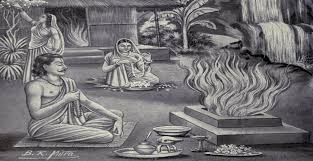
Madri was the princess of Madra and became the co-queen of King Pandu of Hastinapura. She is most remembered as the mother of Nakula and Sahadeva, the youngest Pandavas. Known for her grace, beauty, and devotion, Madri played a subtle yet important role in the Mahabharata, reflecting courage, dignity, and ethical fortitude in the face of adversity.
Early Life and Birth
Madri was born as a princess in the kingdom of Madra. She was renowned for her elegance, intelligence, and noble demeanor. Her early education included training in royal etiquette, governance, martial skills, and the arts, preparing her for a life in the palace.
Her marriage to King Pandu of Hastinapura was arranged to strengthen alliances between kingdoms, reflecting the political and diplomatic importance of royal marriages in the Mahabharata.
Personality and Character
Madri was known for her nobility, humility, and devotion. She shared a loving relationship with King Pandu and maintained a sense of dignity and respect in the royal household. Her character reflects selflessness, grace under pressure, and devotion to family and dharma.
Unlike Kunti, who played a more active role in guiding the Pandavas, Madri’s strength lay in her quiet courage and moral integrity, influencing the family through example and loyalty.
Role in the Birth of Nakula and Sahadeva
King Pandu was cursed by Sage Kindama that he would die if he engaged in physical intimacy. Because of this curse, Pandu could not father children naturally. To ensure the continuation of the Kuru lineage, Kunti shared her boon of invoking deities with Madri.
Madri invoked the Ashwini Kumaras, the twin gods of medicine and health, and gave birth to Nakula and Sahadeva, who became renowned for their beauty, wisdom, and martial skills. Madri’s courage and willingness to participate in this divine arrangement reflect her dedication to dharma and the welfare of the family.
Challenges and Trials
Madri faced immense challenges after Pandu’s death. Grieving deeply, she chose to commit sati (self-immolation) on her husband’s funeral pyre, an act reflecting her devotion, loyalty, and the tragic circumstances of royal life in the Mahabharata. Before her death, she entrusted her children to Kunti, ensuring their upbringing and protection.
Her life highlights the sacrifices of royal women, who endured grief and danger while upholding family honor, dharma, and societal responsibilities.
Role in the Mahabharata
Though Madri did not directly participate in the Kurukshetra war, her influence was significant:
- Mother of Nakula and Sahadeva: Ensured the birth and upbringing of two skilled Pandava warriors.
- Exemplar of Devotion: Her loyalty to Pandu and her act of self-sacrifice inspired the Pandavas and set moral examples.
- Moral and Ethical Influence: Madri’s actions emphasized dharma, courage, and duty, shaping the character of her sons indirectly.
- Supportive Royal Figure: Maintained harmony in the royal household alongside Kunti, contributing to the stability of the Pandava upbringing.
Legacy
Madri is remembered as a noble, selfless, and courageous queen. Her life reflects the strength, dignity, and devotion of women in the Mahabharata, highlighting their role in shaping history and supporting dharma through both action and sacrifice.
In Indian mythology, Madri symbolizes loyalty, maternal courage, and adherence to dharma, teaching that moral integrity and selflessness are forms of true strength. Her sons, Nakula and Sahadeva, carried forward her virtues, embodying intelligence, skill, and righteousness, and contributing significantly to the Pandava cause.
Madri’s story continues to inspire admiration for noble conduct, devotion to family, and courage in adversity, making her a revered figure among the women of the Mahabharata.
