Heroic Biographies
Discover the inspiring life stories of India's greatest heroes and legends
All Biographies
Explore the lives of India's most inspiring personalities
 Scientists & Innovators
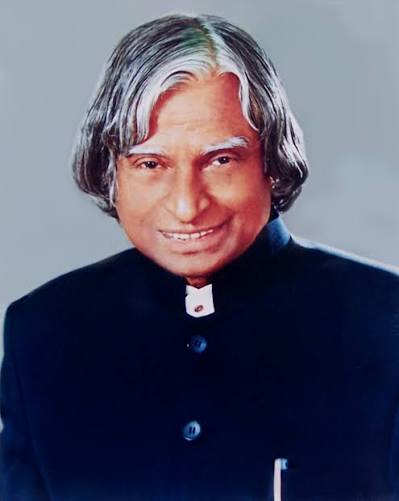
Dr APJ Abdul Kalam
Dr. A.P.J. Abdul Kalam was one of India's most respected scientists and leaders, known as the "Missile Man of India." He served as the 11th President of India and inspired generations through his contributions to science, education, and nation-building.
 Ancient India
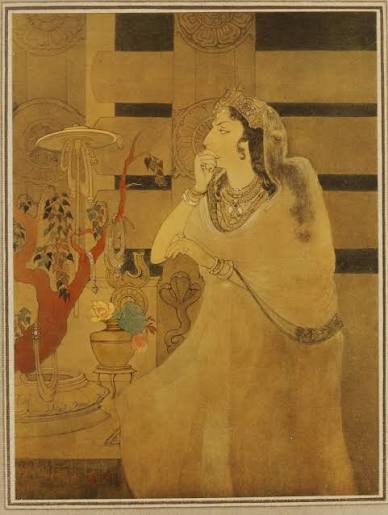
Tishyarakshita
Tishyarakshita was the last queen of Emperor Ashoka and a notable figure in Buddhist traditions. She is primarily remembered through historical chronicles that describe her involvement in royal court intrigues surrounding Prince Kunala and the Bodhi Tree
 Ancient India
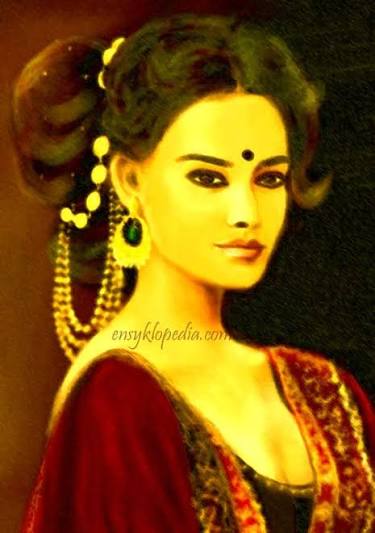
Devi-(Ashoka's-wife)
Devi was the first wife of Emperor Ashoka and the mother of Mahendra and Sanghamitra, two important figures in the spread of Buddhism. She is remembered for her devotion to Buddhism and her connection with the early development of Sanchi.
 Spiritual Leaders
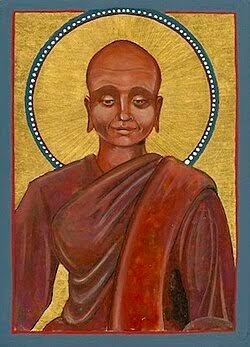
Mahapajapati Gautami
Mahapajapati Gautami was the foster mother of Gautama Buddha and the first woman to be ordained into Buddhism. She founded the Bhikkhuni Sangha and became one of the most influential women in Buddhist history.
 Warriors & Kings
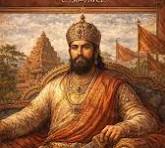
Devapala
Devapala was one of the greatest emperors of the Pala Dynasty who expanded the empire to its maximum extent, promoted Buddhism, supported major universities, and established the Palas as the dominant power of northern India.
 Warriors & Kings
Dharmapala
Dharmapala was one of the greatest rulers of the Pala Dynasty who transformed Bengal into a powerful empire, promoted Buddhist learning, founded renowned universities, and emerged as a dominant force in northern India.
 Warriors & Kings
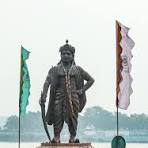
Bhoja Deva
Bhoja Paramara was the legendary scholar-king of Malwa who combined military leadership with extraordinary achievements in literature, science, architecture, and education, making him one of India's most celebrated rulers.
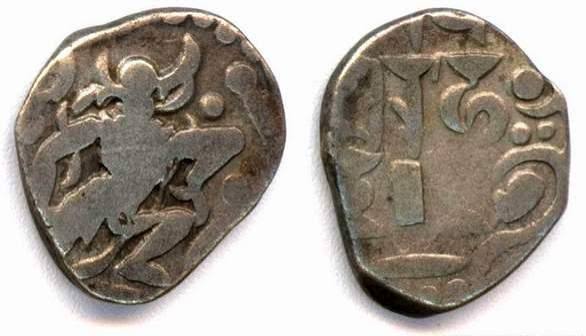 Warriors & Kings
Mihira Bhoja
Mihir Bhoja was the most powerful ruler of the Gurjara-Pratihara Dynasty who transformed a weakened kingdom into a prosperous empire and became one of the greatest monarchs of early medieval India.
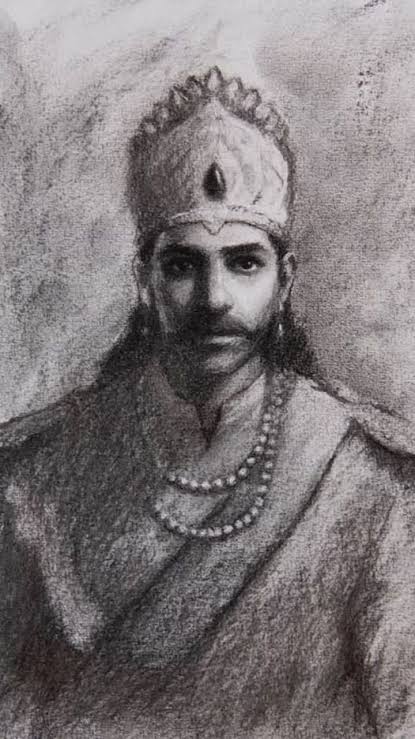 Warriors & Kings
Lalitaditya Muktapida
Lalitaditya Muktapida was the most powerful ruler of the Karkota Dynasty who expanded Kashmir into a major imperial power, achieved remarkable military successes, and promoted art, architecture, and culture during the 8th century.
Browse by Category
Discover heroes from different walks of life