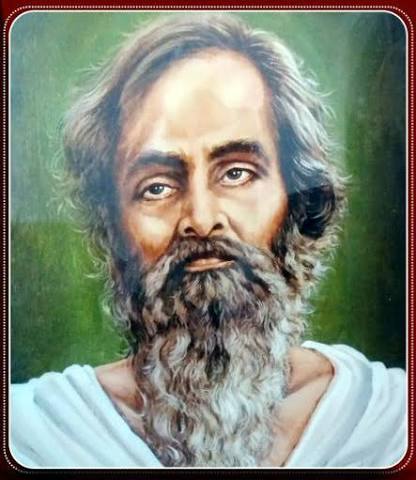
Acharya Harihar Das
Freedom Fighters | 1879 - 2 November 1971
"Acharya Harihar Das was a renowned freedom fighter, Gandhian social reformer, educationist, and humanitarian from Odisha. He dedicated his life to national service, the upliftment of marginalized communities, and the promotion of education and social equality."
Born
1879Birthplace
Puri District, Odisha, IndiaDied
2 November 1971Place of Death
Odisha, IndiaNationality
IndianGender
MaleAcharya Harihar Das Biography
Acharya Harihar Das was one of the most respected freedom fighters, social reformers, and educationists in the history of Odisha. A dedicated follower of Mahatma Gandhi, he devoted his life to national service, social equality, education, rural development, and the upliftment of marginalized communities.
Throughout his long public career, Acharya Harihar worked tirelessly to improve society through constructive programs rather than personal ambition. His contribution to Odisha's freedom movement and social transformation earned him lasting respect among the people.
He is remembered as a man of simplicity, scholarship, patriotism, and humanitarian service whose influence extended far beyond politics.
Early Life and Childhood
Acharya Harihar Das was born in Odisha during the late nineteenth century. From his childhood, he displayed a keen interest in learning, social welfare, and public service.
Growing up in a traditional environment, he developed a deep appreciation for Indian culture, spirituality, and education. These values later shaped his commitment to serving society.
His early experiences made him aware of the inequalities and hardships faced by ordinary people, particularly those belonging to weaker sections of society.
This awareness guided many of the decisions he would make throughout his life.
Education and Intellectual Development
Harihar received a sound education and developed a strong interest in literature, philosophy, history, and social thought.
His learning and dedication to education eventually earned him the title "Acharya," meaning teacher or scholar.
He believed that education was one of the most powerful tools for social change and national progress.
Throughout his life, he encouraged young people to pursue knowledge while remaining committed to moral values and public service.
Choosing the Path of Service
Unlike many individuals who pursued personal advancement, Acharya Harihar chose a life dedicated to the welfare of society.
He believed that true success should be measured by contributions to humanity rather than wealth or status.
This philosophy guided his work in education, social reform, and the freedom movement.
His selfless approach earned respect across different sections of society.
Influence of Mahatma Gandhi
The ideas of Mahatma Gandhi had a profound influence on Acharya Harihar Das. He adopted Gandhian principles such as truth, non-violence, self-reliance, simplicity, and service to humanity.
He strongly supported constructive programs aimed at improving the lives of ordinary people.
Rather than focusing only on political activity, he emphasized education, sanitation, village development, and social equality.
These ideals remained central to his work throughout his career.
Participation in India's Freedom Movement
Acharya Harihar actively participated in India's struggle for independence. He joined nationalist activities and encouraged people to support the movement against British rule.
Through speeches, public meetings, and community outreach, he spread awareness about freedom, self-rule, and national dignity.
His efforts strengthened the freedom movement in Odisha and inspired many individuals to participate in nationalist activities.
He became recognized as one of the important Gandhian leaders of the region.
Role in Odisha's National Awakening
During the early twentieth century, Odisha experienced growing political and social consciousness. Acharya Harihar played an important role in this transformation.
He worked alongside other prominent leaders who sought to promote education, social reform, and national unity.
His leadership helped spread nationalist ideals among students, teachers, villagers, and social workers.
He believed that political independence required an informed and united society.
Educational Contributions
Education occupied a special place in Acharya Harihar's vision for society. He believed that ignorance was one of the greatest obstacles to progress.
He devoted considerable energy to promoting schools, educational institutions, and literacy programs.
His efforts aimed not only at academic instruction but also at character formation and moral development.
He encouraged students to become responsible citizens committed to national service.
Work for Harijan Welfare
One of Acharya Harihar's most important contributions was his work for the welfare of Harijan and marginalized communities.
He opposed social discrimination and untouchability and believed that every individual deserved dignity and equal opportunities.
Through public campaigns and social service initiatives, he sought to promote equality and social harmony.
His efforts reflected the broader Gandhian mission of building an inclusive society.
Campaign Against Untouchability
Acharya Harihar strongly opposed the practice of untouchability. He worked to eliminate social barriers that prevented people from participating fully in public life.
He encouraged interaction, cooperation, and mutual respect among different communities.
His campaigns challenged long-standing prejudices and promoted social integration.
These efforts enhanced his reputation as a progressive social reformer.
Rural Development Activities
Acharya Harihar believed that the future of India depended heavily on the development of villages.
He promoted sanitation, education, self-reliance, and community cooperation in rural areas.
His village development programs aimed to improve health standards, economic opportunities, and quality of life.
These initiatives reflected Gandhian ideas about decentralized development and community participation.
Association with the Panchasakha
Acharya Harihar is often remembered as one of the members of the famous Panchasakha of modern Odisha.
This group of leaders played an important role in shaping Odisha's political, educational, cultural, and social progress during the freedom movement.
Through collective efforts, they helped create awareness about nationalism, social reform, and public welfare.
Their contributions continue to influence Odisha's development and identity.
Personal Simplicity and Values
One of the most admired aspects of Acharya Harihar's life was his simplicity. He lived according to the principles he preached and avoided luxury and personal gain.
His lifestyle reflected humility, discipline, and dedication to serving others.
Many people regarded him as a moral leader whose actions matched his words.
This consistency enhanced his credibility and influence.
Service After Independence
Even after India gained independence, Acharya Harihar continued his social and educational work.
He believed that freedom was meaningful only if it improved the lives of ordinary citizens.
Therefore, he remained actively involved in community development, education, and social welfare programs.
His dedication to public service continued until the later years of his life.
Legacy and Historical Importance
Acharya Harihar Das occupies an honored place in the history of Odisha and India's freedom movement. His contributions extended beyond politics to education, social equality, Harijan welfare, and rural upliftment.
He demonstrated that service to society requires both courage and compassion.
His life continues to inspire teachers, social workers, students, and public leaders.
Today, he is remembered as one of Odisha's most respected Gandhian leaders and social reformers.
Interesting Facts About Acharya Harihar Das
- He was a prominent Gandhian leader from Odisha.
- He earned the title "Acharya" because of his scholarship and dedication to education.
- He actively participated in India's freedom movement.
- He worked extensively for Harijan welfare.
- He strongly opposed untouchability.
- He promoted rural development and self-reliance.
- He was associated with the famous Panchasakha of modern Odisha.
- He devoted his life to social service and public welfare.
Frequently Asked Questions (FAQs)
Who was Acharya Harihar Das?
Acharya Harihar Das was a freedom fighter, Gandhian leader, educationist, and social reformer from Odisha.
Why is Acharya Harihar famous?
He is famous for his contributions to India's freedom movement, Harijan welfare, education, and rural development.
What was Acharya Harihar's role in social reform?
He worked against untouchability and promoted equality, education, and community welfare.
Was Acharya Harihar influenced by Mahatma Gandhi?
Yes, he strongly followed Gandhian principles of truth, non-violence, and service to humanity.
Why is Acharya Harihar important in Odisha's history?
He played a major role in freedom movement activities and social reform efforts that contributed to Odisha's progress.
Conclusion
Acharya Harihar Das dedicated his life to the service of humanity, national freedom, and social justice. Through his work as a teacher, reformer, Gandhian leader, and freedom fighter, he helped transform society and inspire future generations. His legacy continues to remind us that true greatness lies in selfless service, compassion, and unwavering commitment to public welfare.
Comments & Tribute (0)