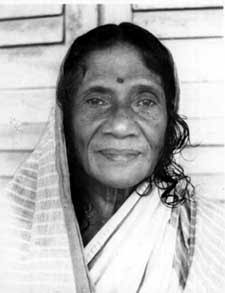
Malati Choudhury
Freedom Fighters | 26 July 1904 - 15 March 1998
"Malati Choudhury was one of Odisha's most influential freedom fighters, Gandhian social reformers, and civil rights activists. Popularly known for her dedication to education, rural development, women's empowerment, and tribal welfare, she devoted her life to building a just and democratic society."
Born
26 July 1904Birthplace
Bihar, British India (family later closely associated with Odisha)Died
15 March 1998Place of Death
Odisha, IndiaNationality
IndianGender
FemaleMalati Choudhury Biography
Malati Choudhury was one of the most respected freedom fighters, social reformers, and civil rights activists of modern India. She devoted her life to the service of society and became a leading voice for women, peasants, tribal communities, children, and marginalized groups. Through her dedication to Gandhian ideals and social justice, she earned a special place in the history of Odisha and India's freedom movement.
A fearless nationalist, she actively participated in the Non-Cooperation Movement, Civil Disobedience Movement, Salt Satyagraha, and Quit India Movement. She also played an important role in education, rural reconstruction, and social welfare. Her contributions extended beyond independence, as she continued working for human rights and social equality throughout her life.
Today, Malati Choudhury is remembered as one of the most inspiring women leaders of Odisha and a symbol of courage, service, and social transformation.
Early Life and Family Background
Malati Choudhury was born on 26 July 1904 as Malati Sen. She was born into an educated and socially progressive family. Her father was Barrister Kumud Nath Sen and her mother was Snehalata Sen.
Her father passed away when she was very young, and she was largely raised by her mother. Despite facing personal challenges during childhood, she grew up in an environment that valued education, social reform, and public service.
Her family encouraged intellectual growth, and she developed a strong interest in literature, society, and national issues from an early age.
These formative experiences shaped her future role as a freedom fighter and social activist.
Education at Santiniketan
One of the most important phases of Malati Choudhury's life began when she joined Rabindranath Tagore's Visva-Bharati at Santiniketan in 1921.
Santiniketan exposed her to progressive ideas about education, culture, social responsibility, and national identity. Living in the unique educational atmosphere created by Tagore greatly influenced her outlook on life.
She learned the importance of creative education, rural development, cultural awareness, and service to humanity.
The ideals she absorbed at Santiniketan remained central to her work throughout her life.
Influence of Rabindranath Tagore and Mahatma Gandhi
Malati Choudhury was greatly influenced by two of India's greatest thinkers: Rabindranath Tagore and Mahatma Gandhi.
From Tagore she learned the values of culture, education, creativity, and humanism. From Gandhi she learned the principles of truth, non-violence, simplicity, self-reliance, and service.
The combination of these influences shaped her unique approach to social reform and nationalism.
She believed that genuine political freedom should be accompanied by social justice, education, and community development.
Marriage and Move to Odisha
Malati married Nabakrushna Choudhury, who later became one of Odisha's most prominent political leaders and served as Chief Minister of Odisha.
Following her marriage, she became deeply associated with Odisha and dedicated herself to the development of the state.
The couple shared common ideals regarding social reform, nationalism, and public service.
Together they participated in important political and social movements that shaped Odisha's modern history.
Joining India's Freedom Movement
Malati Choudhury joined India's freedom struggle at a young age. Inspired by Gandhi's call, she actively participated in the national movement and encouraged others to do the same.
She believed that independence was essential for social and economic progress and devoted herself fully to the cause.
Her activism extended from cities to villages, helping spread nationalist ideas among ordinary people.
She quickly became recognized as one of Odisha's leading women freedom fighters.
Role in the Non-Cooperation Movement
The Non-Cooperation Movement marked one of her earliest major political involvements. She promoted khadi, encouraged the boycott of foreign goods, and inspired people to contribute to the national cause.
Her work helped strengthen public awareness in Odisha regarding the struggle against British rule.
She also worked to increase women's participation in public and political activities.
Her contributions during this period established her reputation as a dedicated nationalist leader.
Participation in Salt Satyagraha
Malati Choudhury actively participated in the Salt Satyagraha movement. Inspired by Gandhi's challenge to British salt laws, she joined the civil disobedience movement in Odisha.
She worked alongside other prominent women leaders and encouraged mass participation in the campaign.
Her involvement led to arrest and imprisonment by British authorities.
Despite facing hardships, she remained committed to the struggle for freedom.
Multiple Arrests and Imprisonment
During the course of the independence movement, Malati Choudhury was arrested several times by the British government.
Her imprisonments occurred because of her active involvement in nationalist campaigns and civil resistance movements.
Instead of discouraging her, these experiences strengthened her determination and commitment.
She emerged from prison with even greater dedication to public service and social reform.
Work with Women and Rural Communities
Malati Choudhury strongly believed that women should play an active role in national development. She worked tirelessly to encourage women's education, leadership, and participation in public affairs.
She also focused on rural development and sought to improve living conditions in villages.
Through awareness campaigns, educational initiatives, and social programs, she empowered countless women and marginalized communities.
Her efforts contributed significantly to social transformation in Odisha.
Leadership Among Peasants and Farmers
Malati Choudhury was deeply concerned about the problems faced by farmers and rural workers.
She participated in movements aimed at protecting peasants from exploitation by landlords and moneylenders.
Her leadership in agricultural and peasant movements earned her great respect among rural communities.
She believed that social justice and economic equality were essential for a democratic society.
Constituent Assembly Member
In 1946, Malati Choudhury became a member of India's Constituent Assembly from Odisha.
The Constituent Assembly was responsible for drafting the Constitution of independent India.
Although she later resigned to continue grassroots work, her selection reflected the respect she had earned as a national leader.
Her commitment to social service often took precedence over political office and prestige.
Bajiraut Chhatravas
One of Malati Choudhury's notable contributions was the establishment of Bajiraut Chhatravas. The institution was created to support and educate children of freedom fighters and disadvantaged backgrounds.
Education remained one of her highest priorities throughout her life.
She believed that investing in children represented an investment in the future of the nation.
Through such institutions, she helped create opportunities for countless young people.
Utkal Navajiban Mandal
After independence, Malati Choudhury and her associates established the Utkal Navajiban Mandal.
The organization focused on rural development, education, tribal welfare, social justice, and community empowerment.
Its activities reflected her belief that political independence must be followed by constructive social development.
The institution became an important platform for community service in Odisha.
Civil Rights and Social Justice
Even after India's independence, Malati remained active in public life. She supported civil liberties, human rights, and democratic values.
She frequently spoke against injustice and worked to protect the rights of marginalized communities.
Her commitment to democratic principles earned her admiration from activists and social reformers across India.
She continued to advocate peaceful social change throughout her long public career.
Legacy and Historical Importance
Malati Choudhury occupies a distinguished place in Indian history as a freedom fighter, social reformer, and champion of human rights.
Her contributions extended far beyond the independence movement. She helped build institutions, promote education, strengthen democracy, and improve the lives of underprivileged communities.
Her life demonstrated that lasting change requires both political freedom and social responsibility.
Today, she remains one of Odisha's most respected women leaders and an inspiration to future generations.
Interesting Facts About Malati Choudhury
- Malati Choudhury studied at Rabindranath Tagore's Santiniketan.
- She was deeply influenced by both Tagore and Mahatma Gandhi.
- She actively participated in the Salt Satyagraha and Quit India Movement.
- She was arrested several times during the freedom struggle.
- She worked extensively for peasants, tribal communities, and women.
- She became a member of the Constituent Assembly.
- She established Bajiraut Chhatravas.
- She remained a lifelong advocate of civil rights and social justice.
Frequently Asked Questions (FAQs)
Who was Malati Choudhury?
Malati Choudhury was a freedom fighter, Gandhian social reformer, educationist, and civil rights activist from Odisha.
What was Malati Choudhury famous for?
She was famous for her role in India's freedom movement and her lifelong work for education, rural development, and social justice.
Did Malati Choudhury participate in the freedom struggle?
Yes, she actively participated in major national movements and was imprisoned several times by British authorities.
What is Bajiraut Chhatravas?
It is an institution established by Malati Choudhury to support and educate children, especially those connected with freedom fighters.
Why is Malati Choudhury important?
She played a major role in both India's freedom movement and post-independence social reform efforts.
Conclusion
Malati Choudhury was one of India's finest freedom fighters and social reformers. Through courage, sacrifice, and unwavering dedication to public welfare, she transformed countless lives and strengthened the foundations of democracy and social justice. Her contributions to education, civil rights, rural development, and the freedom movement continue to inspire generations. She remains a shining symbol of service, compassion, and nation-building.
Comments & Tribute (0)