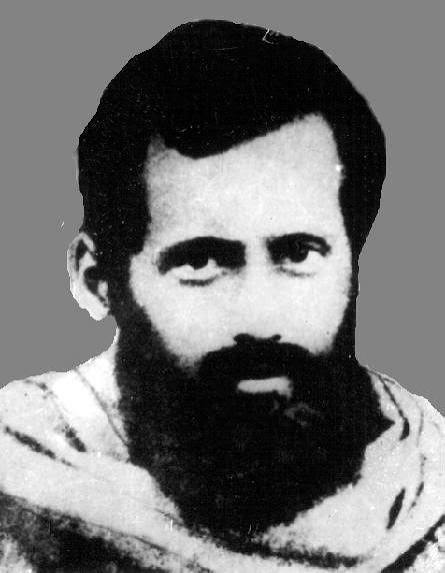
Utkalamani Gopabandhu Das
Freedom Fighters | 9 October 1877 - 17 June 1928
"Utkalamani Gopabandhu Das was one of the greatest leaders of Odisha and a prominent freedom fighter, social reformer, educationist, and journalist. Known as the "Jewel of Odisha," he dedicated his life to public service, education, and the upliftment of society."
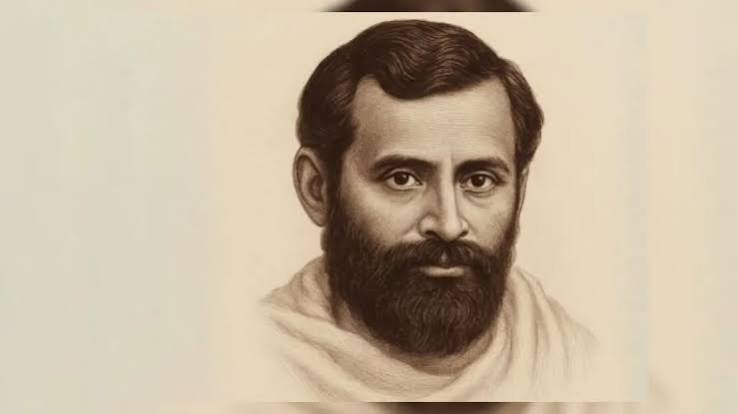
Born
9 October 1877Birthplace
Suatando Village, Puri District, Odisha, IndiaDied
17 June 1928Place of Death
Cuttack, Odisha, IndiaNationality
IndianGender
MaleUtkalamani Gopabandhu Das Biography
Utkalamani Gopabandhu Das was one of the most celebrated personalities in the history of Odisha. He was a freedom fighter, social reformer, educationist, journalist, poet, and humanitarian who dedicated his entire life to the service of society. Because of his extraordinary contribution to Odisha and its people, he earned the title "Utkalamani," meaning "Jewel of Odisha."
Gopabandhu Das played a major role in shaping modern Odisha through his efforts in education, social reform, journalism, and the national freedom movement. His vision was to build an enlightened and self-reliant society where education, service, and patriotism would guide national progress.
Even today, he remains one of the most respected figures in Odisha and serves as an inspiration for generations through his commitment to public welfare and national development.
Early Life and Family Background
Gopabandhu Das was born on 9 October 1877 in Suando village of Puri district in Odisha. He was born into a traditional Brahmin family. His father was Daitari Das and his mother was Swarnamayee Devi.
Unfortunately, his mother passed away shortly after his birth. As a result, he was raised by other family members who ensured that he received proper care and education.
From an early age, Gopabandhu displayed extraordinary intelligence, compassion, and a strong sense of responsibility toward society. These qualities later became defining characteristics of his life and work.
His childhood experiences made him sensitive to human suffering and inspired his lifelong commitment to helping others.
Education
Gopabandhu received his early education in village schools before continuing his studies at Puri District School. He performed exceptionally well in academics and gained recognition as a talented student.
After completing his schooling, he pursued higher education at Ravenshaw College in Cuttack. During this period, he developed a keen interest in literature, social issues, and nationalist ideas.
He later studied law in Calcutta. However, despite obtaining qualifications that could have ensured a successful professional career, he chose a life of public service instead.
His education broadened his understanding of society and strengthened his desire to work for the welfare of the people.
Interest in Social Service
Even during his student years, Gopabandhu demonstrated a deep commitment to social service. Whenever natural disasters, epidemics, floods, or famines affected communities, he actively participated in relief efforts.
He believed that education should not be limited to personal advancement but should serve the greater good of society.
His selfless service earned admiration from people across Odisha and established his reputation as a compassionate and dedicated public servant.
Helping the poor and disadvantaged became a central mission throughout his life.
Foundation of Satyabadi Bana Bidyalaya
One of Gopabandhu Das's greatest contributions was the establishment of Satyabadi Bana Bidyalaya in 1909 near Puri.
The institution was designed to provide modern education while preserving Indian cultural values. Classes were often conducted in a natural environment under trees, encouraging simplicity and close interaction between teachers and students.
The school emphasized character development, nationalism, discipline, and service to society. Gopabandhu believed that education should create responsible citizens capable of contributing to national development.
Satyabadi Bana Bidyalaya became a symbol of educational reform in Odisha and produced many distinguished leaders and social workers.
The Satyabadi Movement
The educational philosophy associated with Satyabadi Bana Bidyalaya eventually developed into the Satyabadi Movement. This movement aimed to transform society through education, patriotism, and moral values.
Gopabandhu worked alongside a group of dedicated colleagues who shared his vision for social and educational reform.
Together, they promoted national consciousness, social equality, and community service throughout Odisha.
The movement played an important role in awakening political and social awareness among the people.
Role in the Freedom Movement
Gopabandhu Das actively participated in India's freedom struggle against British colonial rule. Inspired by national leaders such as Mahatma Gandhi, he supported movements aimed at securing independence for India.
He encouraged people to embrace nationalism, self-reliance, and non-cooperation with colonial authorities.
As a political leader, he worked to create awareness among the masses regarding the importance of freedom and self-governance.
His contributions helped strengthen the nationalist movement in Odisha and connected the region to the broader struggle for independence.
Association with Mahatma Gandhi
Gopabandhu Das greatly admired Mahatma Gandhi and supported many of his principles, including non-violence, simplicity, self-discipline, and service.
When Gandhi launched various national movements, Gopabandhu inspired people in Odisha to participate actively and support the cause of independence.
He believed that political freedom must be accompanied by social reform and educational advancement.
His leadership contributed significantly to the growth of Gandhian ideals in Odisha.
Journalism and The Samaja
Recognizing the importance of communication and public awareness, Gopabandhu Das entered the field of journalism. He founded the newspaper "The Samaja," which later became one of the most influential newspapers in Odisha.
Through journalism, he educated people about social issues, national politics, cultural development, and public welfare.
The newspaper became a powerful platform for spreading nationalist ideas and encouraging social reform.
Even today, The Samaja remains one of Odisha's most respected newspapers, reflecting the enduring legacy of its founder.
Literary Contributions
Gopabandhu Das was also an accomplished writer and poet. He used literature as a medium to inspire patriotism, moral values, and social awareness.
His writings reflected his deep concern for the welfare of society and his devotion to Odisha and India.
Many of his literary works continue to be studied and appreciated for their emotional depth, social relevance, and inspirational message.
His contributions enriched Odia literature and strengthened cultural identity.
Relief Work During Disasters
Throughout his life, Gopabandhu actively participated in relief efforts during floods, famines, epidemics, and other natural disasters.
He often placed public welfare above personal comfort and repeatedly risked his health and resources to assist those in need.
His service during times of crisis demonstrated genuine compassion and earned him the affection of people across Odisha.
Many regarded him as a leader who truly lived for the welfare of others.
Advocacy for Social Equality
Gopabandhu believed strongly in social equality and opposed discrimination based on caste and social status.
He encouraged unity among different communities and advocated educational opportunities for all sections of society.
His reform efforts sought to build a more inclusive and progressive society where every individual could contribute to national development.
These ideals remain relevant in contemporary India.
Personal Sacrifices
The life of Gopabandhu Das was marked by personal sacrifice. He faced numerous hardships, including family tragedies and financial difficulties.
Despite these challenges, he never abandoned his commitment to public service. He consistently placed the interests of society above his personal concerns.
His unwavering dedication earned widespread respect and admiration.
Many people considered him a symbol of selflessness and moral leadership.
Death and Legacy
Gopabandhu Das passed away on 17 June 1928. His death was mourned deeply throughout Odisha and beyond.
Although his life was relatively short, his contributions to education, journalism, social reform, and the freedom movement left a lasting impact.
His vision continues to inspire educational institutions, public organizations, and social movements dedicated to community welfare.
The title "Utkalamani" remains a testament to the esteem and affection with which he is remembered.
Interesting Facts About Utkalamani Gopabandhu Das
- He is popularly known as the "Jewel of Odisha".
- He founded Satyabadi Bana Bidyalaya in 1909.
- He established the influential newspaper The Samaja.
- He was a close follower of Mahatma Gandhi's ideals.
- He actively participated in India's freedom movement.
- He was a poet, writer, journalist, and social reformer.
- He devoted his life to helping disaster-affected communities.
- He remains one of Odisha's most respected leaders.
Frequently Asked Questions (FAQs)
Who was Utkalamani Gopabandhu Das?
Gopabandhu Das was a freedom fighter, social reformer, journalist, educationist, and humanitarian from Odisha.
Why was Gopabandhu Das called Utkalamani?
He was honored with the title "Utkalamani" meaning "Jewel of Odisha" because of his immense contribution to society.
What was the contribution of Gopabandhu Das to education?
He founded Satyabadi Bana Bidyalaya and promoted value-based education focused on character development and nationalism.
Which newspaper was founded by Gopabandhu Das?
He founded The Samaja, one of Odisha's most influential newspapers.
Why is Gopabandhu Das important in Indian history?
He played a significant role in social reform, education, journalism, disaster relief, and India's freedom struggle.
Conclusion
Utkalamani Gopabandhu Das was far more than a freedom fighter. He was a visionary leader who transformed Odisha through education, journalism, social reform, and selfless service. His dedication to humanity, national progress, and public welfare earned him the title "Jewel of Odisha." Even today, his life continues to inspire millions and serves as a shining example of leadership, sacrifice, and compassion.
Comments & Tribute (0)