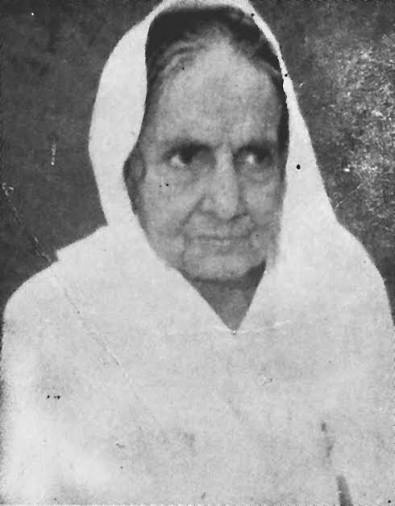
Rama Devi Choudhury
Freedom Fighters | 3 December 1899 - 22 July 1985
"Rama Devi Choudhury was one of Odisha's greatest women freedom fighters and social reformers. Popularly known as "Maa Rama Devi," she played a crucial role in India's independence movement and devoted her life to the welfare of women, Harijans, tribal communities, and rural society."
Born
3 December 1899Birthplace
Satyabhamapur, Cuttack District, Odisha, IndiaDied
22 July 1985Place of Death
Cuttack, Odisha, IndiaNationality
FemaleGender
FemaleRama Devi Choudhury Biography
Rama Devi Choudhury was one of the most remarkable women leaders in the history of Odisha and India's freedom movement. Popularly known as "Maa Rama Devi," she dedicated her entire life to the service of the nation, social reform, women's empowerment, rural upliftment, and the welfare of marginalized communities.
Inspired by Mahatma Gandhi, Rama Devi became one of the earliest women freedom fighters from Odisha to actively participate in national movements. Her courage, determination, and spirit of sacrifice made her a symbol of women's leadership and social transformation.
Even after India achieved independence, she continued working tirelessly for social justice, education, tribal welfare, Harijan upliftment, and rural development. Her life remains an inspiring example of service, compassion, and patriotism.
Early Life and Family Background
Rama Devi Choudhury was born on 3 December 1899 in Satyabhamapur village in the Cuttack district of Odisha. She was born into an influential and respected family. Her father was Gopala Ballabha Das, and her mother was Basanta Kumari Devi.
She was also the niece of Utkal Gaurab Madhusudan Das, one of Odisha's greatest leaders and social reformers. Growing up in such an environment exposed her to ideas of public service, social reform, and national pride.
Although educational opportunities for girls were limited during that period, she received valuable guidance at home and developed a strong sense of responsibility toward society.
Her family's progressive outlook played an important role in shaping her future commitment to public service.
Marriage and Personal Life
At a young age, Rama Devi married Gopabandhu Choudhury, who was serving as a Deputy Collector under the British administration. Her husband later resigned his government position to join the national freedom movement.
The couple shared a deep commitment to nationalist ideals and dedicated themselves to serving the people.
Together, they became active participants in India's struggle for independence and worked closely with other prominent leaders.
Their partnership became an inspiring example of sacrifice and dedication to the nation.
Meeting Mahatma Gandhi
A major turning point in Rama Devi's life came in 1921 when she met Mahatma Gandhi and Kasturba Gandhi. This meeting transformed her outlook and inspired her to join the national movement.
She was deeply influenced by Gandhi's principles of truth, non-violence, self-reliance, and service to humanity.
Following this encounter, she adopted khadi, embraced a simple lifestyle, and devoted herself to the cause of freedom.
The ideals of Gandhian philosophy remained central to her work throughout her life.
Joining the Freedom Movement
In 1921, Rama Devi and her husband joined the Indian National Congress and actively participated in the Non-Cooperation Movement.
At a time when social restrictions limited women's participation in public life, she stepped forward courageously and inspired countless women to engage in the national struggle.
She traveled from village to village encouraging people to boycott foreign goods, wear khadi, and participate in movements against British rule.
Her efforts helped strengthen political awareness throughout Odisha.
Women's Mobilization and Leadership
One of Rama Devi's greatest contributions was her leadership among women. She understood that national progress required the active participation of women in political and social activities.
She encouraged women to leave social barriers behind and become active participants in the freedom struggle.
Through public meetings, awareness campaigns, and personal interactions, she motivated thousands of women across Odisha.
Her leadership transformed many women into social workers, activists, and freedom fighters.
Role in the Salt Satyagraha
Rama Devi played a leading role in Odisha's Salt Satyagraha movement in 1930. Inspired by Mahatma Gandhi's historic Dandi March, freedom fighters in Odisha organized similar protests against British salt laws.
She actively participated in salt-making campaigns in places such as Inchudi and other regions of coastal Odisha.
Along with fellow women leaders, she challenged colonial policies and encouraged mass participation.
Her involvement demonstrated her courage and commitment to civil disobedience.
Arrest and Imprisonment
Because of her participation in nationalist activities, Rama Devi faced repeated arrests by British authorities. She was imprisoned during various phases of the freedom movement including the Civil Disobedience Movement and later political campaigns.
Despite experiencing hardship and imprisonment, she remained steadfast in her commitment to the cause of freedom.
Her willingness to endure suffering inspired many others to continue resisting colonial rule.
The prison experience strengthened rather than weakened her dedication.
Participation in the Karachi Congress Session
Rama Devi attended the historic Karachi Session of the Indian National Congress in 1931. The session played an important role in defining the future direction of the national movement.
Her participation demonstrated the growing importance of women leaders from Odisha within the broader national struggle.
She used such opportunities to advocate for Odisha's interests and enhance the representation of women in public life.
Her involvement elevated Odisha's presence in national political discussions.
Campaign Against Untouchability
Following Gandhian ideals, Rama Devi actively worked to eliminate untouchability and social discrimination. She strongly believed that social reform was essential for national progress.
She established organizations and programs dedicated to the welfare of Harijan communities.
Through public campaigns, education, and community outreach, she promoted equality and social justice.
Her efforts helped improve the lives of many marginalized communities across Odisha.
Formation of Harijan Welfare Programs
After her release from prison, Rama Devi devoted considerable energy to Harijan welfare work. She helped establish organizations aimed at improving education, sanitation, health, and social conditions.
Working closely with Gandhian organizations, she promoted dignity and equal treatment for all people.
She believed that genuine independence required the removal of social inequalities.
These initiatives formed a significant part of her social reform legacy.
Sevaghar Ashram and Rural Development
Rama Devi founded an Ashram at Bari in Odisha, later named Sevaghar by Mahatma Gandhi. It became an important center for social service and rural upliftment.
The institution promoted education, women's welfare, khadi production, self-reliance, and community development.
Volunteers associated with the Ashram worked in villages and contributed to social transformation.
The center reflected Rama Devi's belief that service and self-sufficiency were essential for national progress.
Quit India Movement
During the Quit India Movement of 1942, Rama Devi once again took an active role in the struggle against British rule.
Members of her family were arrested, and she faced significant challenges during this turbulent period.
Despite government repression, she continued supporting nationalist activities and helping freedom fighters.
Her courage during this period reinforced her status as one of Odisha's most respected political leaders.
Post-Independence Service
After India achieved independence in 1947, Rama Devi continued her mission of public service. Unlike many leaders who retired from activism, she remained deeply involved in social reform.
She worked for women's education, tribal welfare, rural development, Bhoodan activities, and community empowerment.
Her commitment to social justice extended far beyond political independence.
She devoted the remaining decades of her life to improving society.
Work for Women and Tribal Communities
Rama Devi strongly advocated women's empowerment and education. She believed that educated and confident women could transform families and communities.
She also worked extensively among tribal populations and underprivileged groups, encouraging self-reliance and community development.
Her humanitarian efforts improved the lives of countless individuals throughout Odisha.
These activities earned her widespread affection and respect.
Awards and Recognition
Rama Devi received numerous honors for her contributions to society. She became affectionately known as "Maa Rama Devi" because of her nurturing role in public life.
Institutions and organizations throughout Odisha celebrated her achievements in social reform and public service.
Her name remains associated with women's education and empowerment.
Ramadevi Women's University in Bhubaneswar stands as one of the most visible tributes to her enduring legacy.
Legacy and Historical Importance
Rama Devi Choudhury occupies a unique place in Indian history as one of Odisha's most important women freedom fighters. Her contributions extended beyond politics to education, social justice, rural development, and humanitarian service.
She successfully demonstrated that women could play a central role in national transformation and public leadership.
Her life inspired generations of social workers, educators, political activists, and women's rights advocates.
Today, she remains one of the most respected figures in Odisha's history.
Interesting Facts About Rama Devi Choudhury
- She was popularly known as "Maa Rama Devi".
- She was the niece of Madhusudan Das.
- She joined the freedom movement in 1921.
- She actively participated in the Salt Satyagraha.
- She was arrested multiple times by British authorities.
- She founded the Sevaghar Ashram at Bari.
- She worked extensively for Harijan welfare.
- Ramadevi Women's University is named in her honor.
Frequently Asked Questions (FAQs)
Who was Rama Devi Choudhury?
Rama Devi Choudhury was a freedom fighter, social reformer, Gandhian leader, and women's rights activist from Odisha.
Why was Rama Devi called Maa Rama Devi?
She was affectionately called Maa because of her lifelong dedication to the welfare of society and her compassionate leadership.
What was Rama Devi's role in the freedom movement?
She participated in the Non-Cooperation Movement, Salt Satyagraha, Civil Disobedience Movement, and Quit India Movement.
What social reforms did Rama Devi support?
She worked for women's empowerment, Harijan welfare, rural development, tribal upliftment, and the eradication of untouchability.
What is Rama Devi's legacy?
She is remembered as one of Odisha's greatest women leaders and a pioneer of social reform and women's participation in public life.
Conclusion
Rama Devi Choudhury was one of the greatest women leaders of Odisha and a shining example of courage, compassion, and selfless service. Through her participation in India's freedom struggle and her lifelong commitment to social reform, she transformed countless lives and strengthened the foundations of a just society. Her legacy continues to inspire those who believe in equality, education, service, and nation-building.
Comments & Tribute (0)