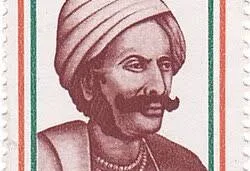
Veer Surendra Sai
Freedom Fighters | 23 January 1809 - 28 February 1884
"Veer Surendra Sai was one of the greatest freedom fighters of Odisha who fought British colonial rule for nearly four decades. A descendant of the Chauhan dynasty of Sambalpur, he became a symbol of courage, resistance, and patriotism in Indian history."
Born
23 January 1809Birthplace
Khinda, Sambalpur, Odisha, IndiaDied
28 February 1884Place of Death
Asirgarh Fort Prison, Central Provinces, British India (present-day Madhya Pradesh, India)Nationality
IndianGender
MaleVeer Surendra Sai Biography
Veer Surendra Sai was one of the most remarkable freedom fighters in Indian history and one of the greatest heroes of Odisha. He dedicated nearly four decades of his life to resisting British rule and defending the rights of the people of Sambalpur. His struggle against colonial authority began long before the emergence of organized national movements and made him one of the earliest revolutionaries in India's freedom struggle.
Known for his courage, determination, leadership, and patriotism, Veer Surendra Sai became a symbol of resistance against injustice and foreign domination. His movement united tribal communities, peasants, zamindars, and ordinary citizens in a common cause against British expansion.
Although he spent many years in prison and endured tremendous suffering, he never abandoned his commitment to freedom. Today, he remains one of the most respected figures in Odisha's history and one of the earliest champions of India's independence.
Early Life and Family Background
Veer Surendra Sai was born on 23 January 1809 in Khinda, a village near Sambalpur in present-day Odisha. He belonged to the famous Chauhan dynasty of Sambalpur and was born into a royal family.
His father was Dharma Singh, and Surendra Sai was one of several children in the family. From an early age, he demonstrated exceptional courage, leadership abilities, and skills in horse riding, swordsmanship, and martial arts.
Growing up in a royal household, he received education in administration, military affairs, and traditional culture. These experiences prepared him for the important role he would later play in the political history of Odisha.
His noble lineage and strong character earned him the respect of both the royal family and the people of Sambalpur.
Claim to the Throne of Sambalpur
The political circumstances of Sambalpur changed dramatically after the death of Maharaja Sai in 1827. Since the ruler died without a direct male heir, questions regarding succession created instability within the kingdom.
As a descendant of the ruling Chauhan dynasty, Surendra Sai possessed a legitimate claim to the throne. Many people believed that he should become the next ruler of Sambalpur.
However, British authorities refused to recognize his claim because they preferred rulers who would support colonial interests. This decision generated deep resentment among local communities and significantly influenced Surendra Sai's future opposition to British rule.
The denial of his rightful claim became one of the earliest sources of conflict between him and the colonial administration.
Beginning of Resistance
Surendra Sai began challenging British policies while still a young man. He believed that foreign interference threatened both the independence of Sambalpur and the welfare of its people.
His early movement attracted supporters from various social groups, including local chiefs, peasants, tribal communities, and members of the traditional warrior class.
The British regarded his activities as a threat to their authority and closely monitored his actions.
Despite increasing pressure, he remained committed to opposing colonial domination and preserving political autonomy.
Arrest and Imprisonment
As British authorities became increasingly concerned about his influence, they eventually arrested Surendra Sai. He was imprisoned for participating in anti-colonial activities and challenging British authority.
One of the most significant periods of his imprisonment occurred in Hazaribagh Jail, where he spent many years in confinement.
The purpose of his imprisonment was to weaken resistance in Sambalpur and remove a prominent leader from public life.
However, incarceration failed to break his determination and commitment to freedom.
The Revolt of 1857
A major turning point came during the Revolt of 1857, often regarded as India's First War of Independence. When rebellion spread across northern India, conditions changed dramatically for political prisoners.
During the uprising, Surendra Sai was released from imprisonment and returned to Sambalpur. His return inspired renewed resistance against British rule throughout the region.
The people welcomed him as a leader capable of protecting their interests and challenging colonial authority.
His participation linked the struggle in Odisha with the broader anti-British resistance occurring across India.
Leadership in Western Odisha
After returning to Sambalpur, Veer Surendra Sai reorganized resistance efforts. He gathered supporters from various communities and established a strong network of allies across western Odisha.
His leadership united tribal groups, local chiefs, peasants, and landholders who shared dissatisfaction with British policies.
The movement quickly gained momentum due to widespread support among ordinary people. Many viewed Surendra Sai as the legitimate protector of regional interests and traditions.
His ability to build alliances helped sustain resistance over an extended period.
Guerrilla Warfare Against the British
One of Surendra Sai's greatest strengths was his use of guerrilla warfare. Instead of confronting British forces directly in conventional battles, he adapted his strategies to local geographical conditions.
The forests, hills, and rugged landscapes of western Odisha provided ideal conditions for guerrilla operations. His fighters used surprise attacks, rapid movements, and local knowledge to challenge British troops.
These tactics frustrated colonial authorities and prevented them from fully controlling the region.
His military approach demonstrated both creativity and strategic intelligence.
Support from Tribal Communities
A significant factor in Surendra Sai's success was the support he received from tribal communities. Groups such as the Binjhal and Gond populations actively participated in resistance activities.
These communities viewed British policies as a threat to their livelihoods, traditions, and autonomy. Under Surendra Sai's leadership, they joined the struggle with remarkable commitment.
The alliance between tribal groups and the broader movement increased the strength and resilience of the rebellion.
Their support allowed resistance to continue even under difficult circumstances.
Challenges Faced by the Movement
Despite widespread support, Surendra Sai faced enormous challenges. British forces possessed superior military resources, better equipment, and greater financial capabilities.
The colonial administration also attempted to divide resistance groups by offering incentives to some leaders and imposing severe punishments on others.
Continuous military campaigns placed significant pressure on rebel forces. Nevertheless, Surendra Sai refused to surrender easily and continued the struggle for many years.
His determination became a source of inspiration for his followers.
Negotiations and Surrender
Eventually, British officials recognized that military operations alone could not easily suppress the movement. Negotiations were initiated in an effort to restore stability.
In the early 1860s, Surendra Sai agreed to surrender under specific assurances provided by the colonial administration.
Many hoped that this agreement would lead to improved conditions and an end to prolonged conflict.
Unfortunately, later developments would demonstrate that these expectations were largely misplaced.
Re-Arrest and Long Imprisonment
Despite earlier understandings, British authorities later arrested Surendra Sai once again. He and several of his associates were detained and removed from their homeland.
The colonial government viewed his continued popularity as a potential threat and sought to eliminate his influence permanently.
He spent many years in prison under difficult circumstances. Much of this period was passed in the remote Asirgarh Fort.
Even in captivity, he remained a symbol of resistance for countless supporters.
Final Years and Death
Veer Surendra Sai spent the final years of his life in imprisonment. Isolated from many of his supporters and far from his homeland, he continued to endure hardship with remarkable dignity.
On 28 February 1884, he died in captivity at Asirgarh Fort Prison.
Although he did not live to see India achieve independence, his lifelong struggle inspired future generations of freedom fighters.
His death marked the conclusion of a remarkable chapter in the history of anti-colonial resistance.
Legacy and Historical Importance
Veer Surendra Sai occupies a distinguished place in Indian history as one of the earliest and longest-fighting freedom fighters against British rule. His resistance movement lasted for decades and represented one of the most significant anti-colonial struggles in eastern India.
His leadership united various social groups, including tribal communities, peasants, landholders, and local rulers. This broad-based support demonstrated the widespread desire for freedom and self-determination.
Today, educational institutions, public buildings, universities, airports, and government programs honor his memory.
Historians increasingly recognize his contributions as an essential part of India's freedom movement.
Interesting Facts About Veer Surendra Sai
- He was born on 23 January 1809 in Khinda near Sambalpur.
- He belonged to the Chauhan dynasty of Sambalpur.
- He fought British rule for nearly four decades.
- He used guerrilla warfare effectively against British forces.
- He enjoyed strong support from tribal communities.
- He spent many years in prison, including Hazaribagh Jail and Asirgarh Fort.
- He died in captivity in 1884.
- He is regarded as one of Odisha's greatest freedom fighters.
Frequently Asked Questions (FAQs)
Who was Veer Surendra Sai?
Veer Surendra Sai was a freedom fighter from Odisha who led a prolonged resistance against British rule during the nineteenth century.
Why is Veer Surendra Sai famous?
He is famous for fighting British colonial rule for nearly forty years and leading resistance movements in Sambalpur.
When was Veer Surendra Sai born?
He was born on 23 January 1809 in Khinda near Sambalpur.
How did Veer Surendra Sai die?
He died in captivity at Asirgarh Fort Prison on 28 February 1884.
Why is Veer Surendra Sai important in Indian history?
He is regarded as one of the earliest freedom fighters who organized a long-term resistance against British rule and inspired future generations of patriots.
Conclusion
Veer Surendra Sai remains one of the greatest heroes of Odisha and a pioneering figure in India's freedom movement. Through courage, determination, and unwavering commitment to justice, he challenged British authority for decades and inspired countless people to fight for their rights. His life stands as a powerful reminder that the struggle for freedom began long before India's independence and was built upon the sacrifices of remarkable patriots like Veer Surendra Sai.
Comments & Tribute (0)