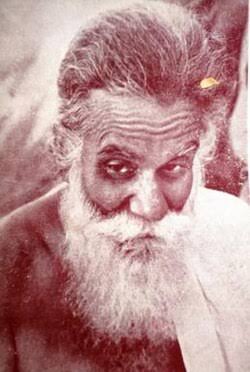
Gopabandhu Choudhury
Freedom Fighters | 8 May 1895 - 29 April 1958
"Gopabandhu Choudhury was one of Odisha's foremost freedom fighters and social reformers who sacrificed a prestigious government career to serve India's freedom movement. A dedicated follower of Mahatma Gandhi, he devoted his life to rural development, education, social welfare, and national service."
Born
8 May 1895Birthplace
Kherasa Village, Jagatsinghpur (then Cuttack District), Odisha, IndiaDied
29 April 1958Place of Death
Odisha, IndiaNationality
IndianGender
MaleGopabandhu Choudhury Biography
Gopabandhu Choudhury was one of the most respected freedom fighters and social reformers in the history of Odisha. A dedicated follower of Mahatma Gandhi, he sacrificed a prestigious government career and devoted his entire life to serving the nation and the people. His contribution to India's freedom struggle, rural development, education, health awareness, and social reform made him one of the most influential personalities of modern Odisha.
At a time when government service under British rule was considered highly prestigious, Gopabandhu Choudhury made the extraordinary decision to resign from his position as Deputy Magistrate and join the national movement. This courageous sacrifice inspired countless people and established him as a leading figure in Odisha's freedom struggle.
His life represents patriotism, selfless service, courage, and an unwavering commitment to social justice. Today, he continues to be remembered as one of Odisha's greatest sons and an important contributor to India's independence movement.
Early Life and Family Background
Gopabandhu Choudhury was born on 8 May 1895 in Kherasa village, which is now located in Jagatsinghpur district of Odisha. He was born into a respected Zamindar Karan family.
His father, Gokulananda Choudhury, was a distinguished advocate and a respected member of society. The family enjoyed social standing and financial stability, which provided Gopabandhu with access to quality education.
He grew up in an environment where learning, discipline, and public service were highly valued. These influences played a significant role in shaping his future ideals and leadership qualities.
Although he came from a privileged background, he later chose a path of sacrifice and service rather than personal comfort and wealth.
Education
Gopabandhu Choudhury was an outstanding student. He pursued higher education at Presidency College, Calcutta, one of the most prestigious educational institutions in India during that period.
He earned a degree in Mathematics and later completed his postgraduate studies. He also pursued legal studies at the University of Calcutta.
His academic achievements prepared him for a successful professional career and earned him admiration among his contemporaries.
However, despite these opportunities, he believed that education should ultimately serve society and contribute to national progress.
Career in British Government Service
After completing his education, Gopabandhu joined the British administration and served as a Deputy Magistrate.
The position offered prestige, authority, financial security, and an opportunity for advancement. For most individuals, such a career represented a significant achievement.
However, as nationalist sentiments grew across India, he increasingly questioned whether serving under colonial rule was compatible with his personal values and patriotism.
This internal conflict eventually led him to make one of the most important decisions of his life.
Marriage to Rama Devi
Gopabandhu Choudhury married Rama Devi, who would later become one of Odisha's greatest women freedom fighters and social reformers.
Their marriage evolved into a remarkable partnership based on common ideals of nationalism, social justice, and public service.
Both husband and wife actively participated in the freedom movement and dedicated themselves to the welfare of society.
Together, they became one of the most influential couples in Odisha's modern history.
Resignation from Government Service
In 1921, inspired by Mahatma Gandhi's Non-Cooperation Movement, Gopabandhu Choudhury resigned from his position as Deputy Magistrate.
The decision shocked society because very few individuals were willing to sacrifice such a prestigious career for the cause of independence.
His resignation was viewed as an extraordinary act of patriotism and courage. It immediately elevated him as a respected national leader in Odisha.
The sacrifice demonstrated his belief that service to the nation was more important than personal ambition.
Joining the Freedom Movement
After resigning, Gopabandhu fully dedicated himself to India's freedom struggle. He joined the Indian National Congress and worked to strengthen the nationalist movement in Odisha.
He traveled extensively, organized meetings, mobilized volunteers, and encouraged ordinary citizens to participate in the fight against colonial rule.
His leadership helped expand the influence of the Congress in Odisha and brought greater political awareness to rural communities.
His efforts contributed significantly to the growth of nationalist sentiment across the region.
Role in the Non-Cooperation Movement
Gopabandhu Choudhury actively participated in the Non-Cooperation Movement launched by Mahatma Gandhi.
He encouraged people to reject colonial institutions, adopt swadeshi products, promote khadi, and embrace self-reliance.
His speeches and activities inspired many citizens to join the movement and support the cause of independence.
The movement marked the beginning of his long and influential political career.
Establishment of Alakashram
One of Gopabandhu Choudhury's most important contributions was the establishment of Alakashram near the Alaka River in Jagatsinghpur in 1922.
The Ashram became a major center for nationalist activities, education, rural development, and social reform.
Volunteers associated with the Ashram promoted literacy, sanitation, public health, and community welfare.
Alakashram eventually emerged as an important institution in Odisha's freedom movement and social transformation.
Educational and Social Work
Education occupied a central place in Gopabandhu's vision for national development. He believed that educated citizens were essential for building a strong and independent nation.
Schools associated with his initiatives combined academic learning with practical training, character development, and community service.
At the same time, he worked to improve sanitation, reduce disease, and increase public awareness about hygiene and health.
His social programs helped improve the quality of life in many rural communities.
Participation in the Civil Disobedience Movement
Gopabandhu Choudhury played an active role in the Civil Disobedience Movement and other campaigns led by Mahatma Gandhi.
He supported acts of peaceful resistance against colonial laws and encouraged public participation in nationalist activities.
His involvement brought him into direct conflict with British authorities.
Despite repeated challenges, he remained steadfast in his commitment to independence.
Imprisonment and Sacrifice
Like many freedom fighters of his generation, Gopabandhu Choudhury faced imprisonment for his participation in anti-colonial activities.
British authorities viewed influential nationalist leaders as threats to colonial administration and frequently targeted them through arrests and restrictions.
Prison life was difficult, but these experiences reinforced his dedication to the freedom movement.
His willingness to endure hardship earned him admiration among fellow activists and ordinary citizens alike.
Commitment to Gandhian Ideals
Throughout his life, Gopabandhu remained deeply committed to the philosophy of Mahatma Gandhi.
He promoted non-violence, truth, rural reconstruction, self-reliance, and social equality. These principles guided both his political activities and social reform efforts.
He believed that freedom should result not only in political independence but also in moral and social improvement.
His life reflected the practical application of Gandhian ideals in everyday public service.
Work for Rural Development
Gopabandhu Choudhury devoted considerable attention to rural development. He recognized that villages formed the foundation of Indian society.
His initiatives sought to improve agriculture, education, sanitation, healthcare, and economic opportunities in rural communities.
He worked directly with villagers and encouraged self-help, cooperation, and local leadership.
These efforts helped lay foundations for long-term social progress in Odisha.
Post-Independence Contributions
Even after India achieved independence in 1947, Gopabandhu Choudhury continued serving society. He remained committed to social reform, community development, and humanitarian work.
He believed that political independence represented only the beginning of national progress.
His efforts focused on improving living conditions, promoting education, and strengthening democratic values.
He remained active in public life until his final years.
Legacy and Historical Importance
Gopabandhu Choudhury occupies a significant place in the history of Odisha and India's freedom movement. His courageous resignation from government service and lifelong dedication to the nationalist cause inspired generations of activists.
His contributions extended beyond politics to education, public health, social welfare, rural reconstruction, and humanitarian service.
Through institutions such as Alakashram and his leadership within the freedom movement, he helped shape modern Odisha.
Today, he is remembered as one of the state's most respected freedom fighters and social reformers.
Interesting Facts About Gopabandhu Choudhury
- He resigned from a prestigious Deputy Magistrate position to join the freedom movement.
- He was a dedicated follower of Mahatma Gandhi.
- He founded the famous Alakashram in Odisha.
- He actively participated in the Non-Cooperation Movement.
- He participated in the Civil Disobedience Movement.
- His wife was the famous freedom fighter Rama Devi Choudhury.
- His younger brother Nabakrushna Choudhury became Chief Minister of Odisha.
- He devoted his life to rural development and social reform.
Frequently Asked Questions (FAQs)
Who was Gopabandhu Choudhury?
Gopabandhu Choudhury was a freedom fighter, Gandhian leader, social reformer, and founder of Alakashram in Odisha.
Why is Gopabandhu Choudhury famous?
He is famous for resigning from British government service and dedicating his life to India's freedom movement and social welfare.
What was Alakashram?
Alakashram was an important center for education, social reform, rural development, and nationalist activities founded by Gopabandhu Choudhury.
Who was Gopabandhu Choudhury's wife?
His wife was Rama Devi Choudhury, one of Odisha's most respected freedom fighters and social reformers.
What were Gopabandhu Choudhury's major contributions?
His major contributions include participation in the freedom movement, promotion of Gandhian ideals, educational initiatives, rural development, and social reform.
Conclusion
Gopabandhu Choudhury was a remarkable patriot whose life was guided by sacrifice, service, and dedication to the nation. By abandoning a prestigious colonial career and embracing the path of public service, he became a symbol of courage and integrity. His contributions to India's freedom struggle, education, rural development, and social reform continue to inspire generations. He remains one of the most respected freedom fighters in the history of Odisha and modern India.
Comments & Tribute (0)