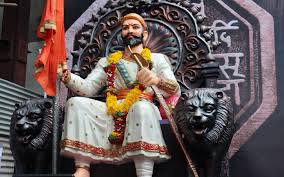
Personal Information
- Place of Birth: Approx. 1st Century CE (exact date unknown), Pratishthana (modern-day Paithan, Maharashtra, India)
- Place of Death: Approx. early 2nd Century CE (exact date unknown), Satavahana territory, Deccan region
- Occupation: Satavahana Dynasty : Emperor, Military Conqueror, Administrator, Patron of Culture
- Era: Ancient India – 1st to 2nd Century CE
Summary
Biography
Gautamiputra Satakarni was one of the most illustrious and powerful rulers of the Satavahana dynasty, which held sway over large parts of central and southern India. His reign marked the golden period of the Satavahanas, restoring political stability, economic prosperity, and cultural advancement after a period of decline. The Satavahana dynasty, which ruled the Deccan region, was known for its strategic location between northern and southern India, controlling key trade routes and fostering cultural exchange.
Early Life and Ascension
Gautamiputra Satakarni was born in Pratishthana, the capital of the Satavahana kingdom, located in present-day Paithan, Maharashtra. Details about his early life are limited, but inscriptions suggest he was trained in statecraft, military strategy, administration, and warfare from a young age. His father, Satakarni I, was a previous ruler of the dynasty, under whom Gautamiputra learned the intricacies of governance and military command.
Upon the death of his father, Gautamiputra ascended the throne as a young ruler, inheriting a kingdom that was under threat from neighboring powers, including the Western Kshatrapas, Indo-Scythians, and other local chieftains. Despite these challenges, Gautamiputra emerged as a determined and capable king, intent on restoring the glory of the Satavahana dynasty.
Military Conquests and Expansion
Gautamiputra Satakarni is renowned for his military prowess. He conducted several campaigns to reclaim lost territories and expand the influence of the Satavahana kingdom. His victories over the Western Kshatrapas, a powerful group of Indo-Scythian rulers in western India, were especially significant, as these conquests re-established Satavahana dominance in the region.
He also subdued other regional rulers and local chieftains across the Deccan plateau, consolidating the kingdom into a strong, unified empire. These military campaigns not only secured borders but also allowed the Satavahana dynasty to control key trade routes connecting northern and southern India, enhancing the kingdom’s wealth and influence.
Gautamiputra’s title “Satakarni”, meaning “protector of the Kshatriya realm,” symbolized his role as a warrior king who upheld the dharma and defended his kingdom against external threats. Inscriptions like the Nasik Cave inscriptions highlight his victories, charitable works, and role as a just ruler.
Administration and Governance
Apart from being a skilled military leader, Gautamiputra Satakarni was an effective administrator. He reorganized the kingdom to ensure efficient governance and maintained a well-structured bureaucracy.
- He appointed trusted officials to manage provinces, cities, and trade centers.
- He ensured law and order throughout the kingdom.
- He encouraged agriculture, trade, and economic development, leading to prosperity.
Gautamiputra’s reign was marked by fairness and justice, and he is remembered for protecting the rights of his subjects while maintaining a strong central authority.
Cultural Patronage
Gautamiputra Satakarni was not only a warrior and administrator but also a patron of culture, religion, and art. He supported Buddhism and Vedic traditions, reflecting the pluralistic nature of his empire. The Satavahana kings were known to sponsor Buddhist stupas, caves, and monasteries, which served as centers of learning, religion, and art.
Some of the inscriptions in the Nasik Caves and Karle Caves mention Gautamiputra Satakarni and his mother, Gautami Balashri, highlighting their contributions to religious monuments. These contributions helped in promoting art, architecture, and learning throughout the Deccan region.
Economic Prosperity
Under Gautamiputra Satakarni, the Satavahana empire reached its economic zenith. His reign saw:
- Expansion of inland and coastal trade routes connecting India with Southeast Asia and other regions.
- Flourishing agriculture supported by irrigation and well-managed farmlands.
- Development of mining and metalwork industries, particularly in iron and gold, which were important for trade and military equipment.
The kingdom became wealthy and stable, enabling Gautamiputra to undertake public works, charitable activities, and temple constructions.
Legacy and Significance
Gautamiputra Satakarni is considered one of the greatest emperors of the Satavahana dynasty. His reign:
- Restored the Satavahana empire to prominence after periods of decline.
- Strengthened military power and protected the kingdom from invasions.
- Encouraged religious tolerance, supporting Buddhism and Vedic traditions.
- Promoted arts, culture, and architecture, leaving a lasting legacy in the Deccan region.
He was succeeded by his son, Vasisthiputra Pulumavi, who continued his father’s work and maintained the dynasty’s prosperity.
Gautamiputra’s achievements not only secured political dominance for the Satavahanas but also contributed to the cultural and economic development of ancient India. His reign is widely studied by historians as a model of a capable ruler who combined military skill, administrative ability, and cultural vision.
Conclusion
Gautamiputra Satakarni’s life symbolizes the strength and resilience of the Satavahana dynasty. From reclaiming lost territories to promoting trade, religion, and culture, his contributions had a lasting impact on the Deccan region and Indian history. Even today, he is remembered as a warrior, reformer, and patron of culture, whose rule ensured that the Satavahana dynasty remained a dominant power in ancient India.
His reign remains a golden chapter in the history of ancient Indian empires, inspiring generations of leaders and historians alike.