Summary
Biography
Full Name: Kaikeyi
Era: Treta Yuga
Parents: King Ashwapati (father), Queen of Kekaya lineage
Spouse: King Dasharatha, ruler of Ayodhya
Children: Bharata (son)
Kaikeyi was the second queen of King Dasharatha and the mother of Bharata. While her role in the Ramayana is often associated with the exile of Lord Rama, she was a devoted mother and a woman of influence in the royal household. Her actions illustrate the power of ambition, maternal love, and the eventual triumph of dharma.
Kaikeyi was born into the royal family of Kekaya and was known for her beauty, intelligence, and strong will. She married King Dasharatha of Ayodhya, becoming one of his three consorts alongside Kausalya and Sumitra. From the beginning, Kaikeyi enjoyed a position of prominence in the court due to her sharp mind, royal lineage, and assertive personality.
She gave birth to Bharata, the prince who would later become a key figure in the Ramayana. Kaikeyi’s maternal instincts were strong, and she loved Bharata deeply, wishing to secure his future and prosperity. However, her attachment and desire for her son’s ascension to the throne made her susceptible to manipulation.
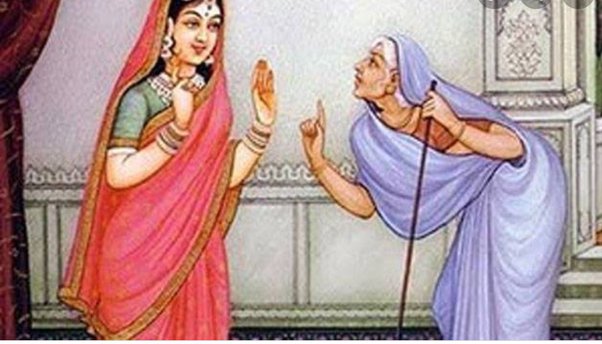
The turning point in Kaikeyi’s life came when her maid Manthara reminded her of two boons granted to her by King Dasharatha earlier. Driven by fear and ambition for Bharata’s future, Kaikeyi demanded that Rama be exiled for fourteen years and that Bharata be crowned king. This act, though controversial, was influenced by a combination of maternal concern, palace intrigue, and personal pride.
Kaikeyi’s decision led to one of the most pivotal events in Hindu mythology—the exile of Lord Rama. Despite the initial appearance of wrongdoing, her actions eventually contributed to the larger plan of dharma, ensuring that Rama’s exile would lead to his ultimate victory over evil, including the defeat of Ravana.
Despite her firm decision, Kaikeyi experienced deep remorse for her actions after seeing the consequences for her husband and for Rama. She demonstrated courage by accepting her responsibility and continued to care for Bharata, guiding him in moral and ethical matters. She supported him when he refused the throne in place of Rama, showing her understanding of dharma and righteousness in the long term.
Bravery and Achievements:
- Exercised significant influence in the royal household and governance of Ayodhya.
- Made decisive, bold decisions under pressure, showing leadership and courage.
- Acted out of maternal concern, illustrating the strength of maternal love and protection.
- Accepted responsibility for her actions and guided Bharata to uphold dharma.
- Played a crucial role in setting the stage for Lord Rama’s exile and eventual victory over evil forces.
Spiritual and Moral Significance:
Kaikeyi’s life is a study in the complexities of human emotion and dharma. While her actions initially appear controversial, they demonstrate the interplay of duty, ambition, and personal desire. She ultimately acknowledged the supremacy of righteousness and contributed to the moral development of Bharata, who became a symbol of loyalty and dharma.
Her story teaches the importance of understanding the consequences of one’s actions, balancing personal desire with moral duty, and the eventual triumph of dharma over personal ambition.
Legacy:
Kaikeyi is remembered as a pivotal character in the Ramayana, whose decisions, though initially seen as disruptive, were instrumental in fulfilling the divine plan. She is revered as the mother of Bharata and is often depicted in literature and art as a complex, multifaceted figure—a devoted mother, a bold queen, and a woman who ultimately recognizes and respects dharma.
References in Scriptures:
- Valmiki Ramayana (Ayodhya Kanda: Kaikeyi’s boons and actions)
- Vishnu Purāṇa (Mentions her influence and role in Rama’s exile)
- Adhyatma Ramayana (Insights into her character and repentance)
Kaikeyi’s story emphasizes maternal love, courage, and moral reflection, showing that even actions with unintended consequences can ultimately support dharma. Her life complements the narratives of Kausalya and Sumitra, highlighting the roles of women in shaping the course of epic events in Hindu tradition.
