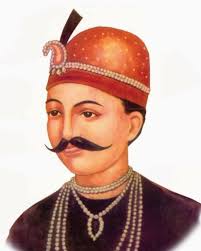
Tatya Tope
Freedom Fighters | 1814 - 18 April 1859
"Tatya Tope was one of the most prominent leaders of the Revolt of 1857 and a close associate of Nana Sahib. Renowned for his military skills, strategic leadership, and relentless resistance against British rule, he became one of the greatest heroes of India's early freedom struggle."
Born
1814Birthplace
Yeola, Nashik District, Bombay Presidency, British India (Present-day Maharashtra, India)Died
18 April 1859Place of Death
Shivpuri, Central India Agency, British India (Present-day Madhya Pradesh, India)Nationality
IndianGender
MaleTatya Tope Biography
Tatya Tope, also known as Tantia Tope, was one of the most courageous and skilled military leaders of the Revolt of 1857. He played a crucial role in organizing and leading armed resistance against British colonial rule. His bravery, strategic brilliance, and unwavering commitment to India's freedom made him a legendary figure in Indian history.
Early Life and Family
Tatya Tope was born as Ramachandra Pandurang Tope around 1814 in Yeola, present-day Maharashtra. His father, Pandurang Rao Tope, served in the court of Peshwa Baji Rao II.
Due to his family's association with the Maratha court, Tatya grew up in an environment that valued military discipline, leadership, and patriotism. These influences shaped his future role in India's resistance against British rule.
Association with Nana Sahib
Tatya Tope became a close associate and trusted advisor of Nana Sahib, the adopted son of Peshwa Baji Rao II. When the British East India Company refused to recognize Nana Sahib's rights and pension, resentment against British policies increased.
Tatya Tope strongly supported Nana Sahib and later became one of the principal military leaders of the uprising against British authority.
Role in the Revolt of 1857
When the Revolt of 1857 erupted, Tatya Tope emerged as one of its most important commanders. He helped organize rebel forces and participated in several major military campaigns.
His leadership and ability to mobilize troops significantly strengthened the resistance movement in northern and central India.
Campaign at Kanpur
Tatya Tope played a leading role in the events at Kanpur (Cawnpore), where rebel forces under Nana Sahib challenged British control.
He demonstrated considerable military skill in organizing defenses and directing operations against British troops. His efforts made him one of the most respected commanders among the rebels.
Military Leadership and Strategy
Unlike many rebel leaders, Tatya Tope excelled in mobile warfare and strategic maneuvering. Even when confronted by stronger British forces, he repeatedly reorganized his troops and continued resistance.
His ability to conduct rapid military movements allowed him to evade capture and sustain the rebellion long after many centers of resistance had fallen.
Alliance with Rani Lakshmibai
Tatya Tope joined forces with Rani Lakshmibai of Jhansi, one of the greatest leaders of the Revolt of 1857. Together, they coordinated military operations against British forces in central India.
Their alliance became one of the most significant chapters of the uprising and symbolized the unity of Indian resistance against colonial rule.
Capture of Gwalior
One of Tatya Tope's most notable achievements was his role in capturing Gwalior along with Rani Lakshmibai and other rebel leaders in 1858.
For a brief period, rebel forces successfully controlled this important strategic center, demonstrating the strength and determination of the independence movement.
Guerrilla Warfare
After major rebel strongholds were recaptured by British forces, Tatya Tope continued the struggle through guerrilla warfare.
He traveled across Rajasthan, Madhya Pradesh, and neighboring regions, launching surprise attacks and maintaining resistance despite limited resources.
His military campaigns are often regarded as remarkable examples of determination and tactical innovation.
Capture and Trial
After nearly two years of continuous resistance, Tatya Tope was betrayed by a former ally and captured by British authorities in 1859.
He was tried by a military court on charges of rebellion against the British government. Throughout the trial, he remained courageous and steadfast in his commitment to the cause of freedom.
Execution and Martyrdom
Tatya Tope was executed by hanging on 18 April 1859 at Shivpuri in present-day Madhya Pradesh.
His death marked the loss of one of the last major military leaders of the Revolt of 1857. However, his sacrifice inspired future generations of freedom fighters who continued the struggle against colonial rule.
Leadership Qualities
Tatya Tope was known for his determination, adaptability, military intelligence, and leadership skills. Even in difficult circumstances, he never abandoned the fight for freedom.
His resilience and dedication made him one of the most admired commanders of India's early independence movement.
Legacy
Tatya Tope is remembered as one of the greatest heroes of the Revolt of 1857. His military leadership and persistent resistance against British rule earned him a permanent place in Indian history.
His contributions are celebrated as an important part of India's freedom struggle and the broader movement for national independence.
Honours and Recognition
- Recognized as one of the principal leaders of the Revolt of 1857.
- Remembered for his exceptional military strategy and guerrilla warfare tactics.
- Numerous roads, schools, and public institutions are named after him.
- Honored as a symbol of courage, patriotism, and resistance.
- Celebrated among the earliest heroes of India's freedom movement.
Conclusion
Tatya Tope dedicated his life to the fight against British colonial rule and became one of the most respected leaders of the Revolt of 1857. Through his military brilliance, courage, and unwavering patriotism, he inspired countless Indians to continue the struggle for freedom. His legacy remains a powerful reminder of sacrifice, resilience, and devotion to the nation.
Comments & Tribute (0)