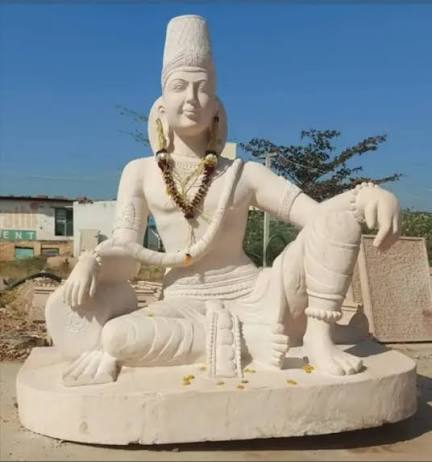
Pulakeshin II
Warriors & Kings | c. 590 CE (Approximate) - c. 642 CE (Approximate)
"Pulakeshin II was the most powerful ruler of the Chalukya Empire who united much of the Deccan, defeated Emperor Harshavardhana, and became one of the greatest monarchs in ancient Indian history."
Born
c. 590 CE (Approximate)Birthplace
Badami, Karnataka, India (approximate)Died
c. 642 CE (Approximate)Place of Death
Vatapi (Badami), Karnataka, India (approximate)Nationality
IndianGender
MalePulakeshin II Biography
Pulakeshin II was one of the greatest rulers in the history of ancient India and the most celebrated monarch of the Chalukya Dynasty. He transformed the Chalukya kingdom into one of the most powerful empires in the Indian subcontinent and established his authority across a vast territory in the Deccan region. His reign is remembered for remarkable military victories, administrative efficiency, diplomatic achievements, and cultural patronage.
Among his many accomplishments, Pulakeshin II is best known for successfully resisting the expansion of Emperor Harshavardhana, the most powerful ruler of northern India at the time. This achievement elevated his status throughout the subcontinent and secured his place among the greatest kings in Indian history.
The primary source of information about Pulakeshin II comes from the famous Aihole Inscription composed by his court poet Ravikirti. This inscription provides valuable details regarding his conquests, administration, and achievements.
Early Life and Family Background
Pulakeshin II was born into the royal Chalukya family during the late sixth century CE. He was the son of King Kirtivarman I, an important ruler who expanded the influence of the Chalukya kingdom in southern India.
Following the death of Kirtivarman I, political circumstances led to the temporary rule of Mangalesha, Pulakeshin's uncle. During this period, Pulakeshin matured as a leader and gained valuable experience in statecraft, military strategy, and administration.
The Chalukyas were already becoming an influential dynasty in the Deccan. The kingdom's strategic location allowed it to control important trade routes and maintain political influence across much of southern India.
Struggle for the Throne
One of the most dramatic chapters of Pulakeshin II's early life was his struggle to secure the Chalukya throne. Historical records indicate that conflicts arose regarding succession after the reign of Mangalesha.
Determined to claim his rightful position, Pulakeshin successfully challenged his rivals and established himself as ruler of the Chalukya kingdom. His victory marked the beginning of a highly successful reign that would elevate the dynasty to unprecedented heights.
After consolidating his authority, he focused on strengthening the kingdom and expanding its political influence.
Expansion of the Chalukya Empire
Pulakeshin II inherited a strong kingdom but sought to transform it into a major imperial power. Through a combination of military campaigns and diplomatic initiatives, he substantially expanded Chalukya territory.
His authority extended over large portions of present-day Karnataka, Maharashtra, Andhra Pradesh, Telangana, and neighboring regions. Numerous rulers accepted his supremacy, while others were incorporated directly into his growing empire.
These achievements established the Chalukyas as one of the leading dynasties of seventh-century India and positioned Pulakeshin II as one of the most influential rulers of his era.
Military Victories and Leadership
Pulakeshin II demonstrated exceptional military talent throughout his reign. His campaigns brought numerous victories and enhanced the prestige of the Chalukya Empire.
He defeated several regional powers and successfully asserted Chalukya dominance across much of the Deccan. His military organization included infantry, cavalry, war elephants, and defensive fortifications that enabled him to conduct effective campaigns against powerful opponents.
His strategic planning and leadership allowed him to secure extensive territories while maintaining stability within the empire.
Defeat of Harshavardhana
The most famous achievement of Pulakeshin II was his successful resistance to Emperor Harshavardhana of northern India. Harsha had established a powerful empire across much of northern India and sought to expand further south.
When Harsha's forces advanced toward the Deccan, Pulakeshin II confronted them near the Narmada River. Historical records indicate that the Chalukya ruler successfully halted Harsha's expansion and prevented him from extending his authority into southern India.
This victory became one of the most celebrated military achievements of ancient Indian history. It established the Narmada River as the traditional boundary between the spheres of influence of Harsha and Pulakeshin II.
The triumph significantly enhanced Pulakeshin's reputation and led many contemporaries to regard him as one of the most powerful rulers in India.
Relations with Southern Kingdoms
Pulakeshin II also conducted successful campaigns against various southern kingdoms. He expanded Chalukya influence over neighboring regions and secured strategic alliances through diplomacy and military strength.
His authority was recognized by numerous local rulers, many of whom accepted Chalukya supremacy while retaining a degree of autonomy. This approach helped create a stable imperial structure without excessive administrative burdens.
His policies demonstrated a sophisticated understanding of both warfare and diplomacy.
Administration and Governance
Beyond his military achievements, Pulakeshin II proved to be a highly competent administrator. Effective governance was essential for managing a large empire composed of diverse regions and populations.
The empire was divided into administrative units overseen by local officials responsible for revenue collection, law enforcement, and public administration. This organized system ensured efficient management throughout the kingdom.
Pulakeshin encouraged agricultural development, supported trade, and promoted public welfare. These policies contributed to economic growth and political stability throughout his reign.
Economic Development and Trade
The Deccan occupied an important geographical position connecting northern and southern India. Under Pulakeshin II, trade flourished across the empire and contributed significantly to prosperity.
Merchants transported textiles, agricultural products, spices, precious stones, metals, and luxury goods across regional and international trade routes. Commercial activity generated wealth for both local communities and the royal treasury.
Urban centers expanded as markets, workshops, and trading hubs developed throughout Chalukya territory.
Economic prosperity strengthened the foundations of the empire and enabled continued military and cultural achievements.
Patronage of Art and Culture
Pulakeshin II was an important patron of art, literature, and architecture. His reign witnessed significant cultural development throughout the Deccan region.
The Chalukyas sponsored the construction of temples, monuments, and public structures that reflected remarkable artistic skill. Architectural achievements from this period played a major role in shaping the subsequent development of South Indian temple architecture.
Scholars, poets, and religious leaders received royal support. The celebrated poet Ravikirti served in his court and composed the famous Aihole Inscription, which remains an important historical source.
These cultural contributions ensured that Pulakeshin's legacy extended far beyond military conquests.
Religious Policy and Tolerance
Like many rulers of ancient India, Pulakeshin II supported religious institutions and respected multiple faiths. Hindu traditions enjoyed royal patronage, but the empire also accommodated followers of Buddhism and Jainism.
Religious centers flourished during his reign, contributing to social stability and intellectual development. The coexistence of different traditions reflected the inclusive nature of Chalukya governance.
This policy of tolerance contributed to harmony within the empire and encouraged cultural exchange among communities.
Foreign Relations
The fame of Pulakeshin II extended beyond the borders of India. Historical evidence suggests diplomatic contacts with foreign powers, including the Sassanian Empire of Persia.
These interactions highlight the growing international reputation of the Chalukya kingdom and demonstrate its importance within broader networks of trade and diplomacy.
Such relationships enhanced prestige and facilitated commercial and cultural exchanges.
Later Years and Death
Despite numerous successes, Pulakeshin II faced serious challenges during the later years of his reign. The Pallava ruler Narasimhavarman I launched military campaigns against the Chalukyas and eventually captured the Chalukya capital of Vatapi.
These conflicts significantly weakened the empire and likely contributed to Pulakeshin's death around 642 CE. Although the exact circumstances remain uncertain, historical evidence indicates that he died during or shortly after these confrontations.
Even though his later years were marked by military setbacks, his earlier achievements ensured his lasting place in Indian history.
Legacy and Historical Importance
Pulakeshin II is widely regarded as the greatest ruler of the Early Western Chalukya Dynasty. His military victories, especially against Harshavardhana, established him as one of the most powerful kings of ancient India.
His reign transformed the Chalukya kingdom into an empire and helped shape the political history of the Deccan. His support for trade, administration, religion, literature, and architecture contributed significantly to the cultural development of southern India.
Historians frequently rank him among the greatest monarchs of ancient India due to his leadership, diplomatic skill, and military achievements.
Conclusion
Pulakeshin II was a remarkable emperor whose reign represents a golden chapter in the history of the Deccan. Through military brilliance, effective governance, and cultural patronage, he built a powerful empire that influenced the course of Indian history.
His famous victory against Harshavardhana, expansion of the Chalukya Empire, and support for art and architecture secured his reputation as one of India's greatest rulers. Today, Pulakeshin II remains an enduring symbol of strength, leadership, and imperial success in ancient India.
Comments & Tribute (0)