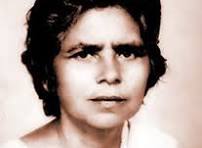
Parbati Giri
Freedom Fighters | 19 January 1926 - 17 August 1995
"Parbati Giri was one of Odisha's most courageous women freedom fighters and social reformers. Popularly known as the "Mother Teresa of Western Odisha," she joined the freedom movement as a teenager and later devoted her life to humanitarian service, orphan welfare, women's empowerment, and rural development."
Born
19 January 1926Birthplace
Samlaipadar Village, near Bijepur, Bargarh District, Odisha, IndiaDied
17 August 1995Place of Death
Odisha, IndiaNationality
IndianGender
FemaleParbati Giri Biography
Parbati Giri was one of the bravest women freedom fighters of Odisha and a remarkable social reformer whose life was dedicated to public service. Popularly remembered as the "Mother Teresa of Western Odisha," she combined extraordinary courage during the freedom struggle with lifelong compassion toward the poor, orphans, women, and marginalized communities.
She entered India's freedom movement as a teenager and fearlessly challenged British authority. Despite her young age, she accepted imprisonment and hardship for the cause of independence.
After independence, she continued serving society through education, healthcare, relief work, orphan care, and social welfare programs. Her life remains a symbol of patriotism, sacrifice, and humanitarian service.
Early Life and Family Background
Parbati Giri was born on 19 January 1926 in Samlaipadar village near Bijepur in present-day Bargarh district of Odisha.
She was born to Dhananjaya Giri and belonged to a family deeply influenced by nationalist ideas.
Her uncle, Ramachandra Giri, was closely associated with Congress activities and local freedom movement campaigns.
The environment of political discussions and patriotic activities greatly influenced her childhood.
Childhood and Nationalist Inspiration
From an early age, Parbati Giri displayed unusual courage, determination, and leadership qualities.
Nationalist leaders regularly visited her village, and she often listened to discussions about freedom, self-rule, and social reform.
These interactions inspired her to dedicate herself to the country's independence movement.
Even as a young girl, she demonstrated a willingness to sacrifice personal comfort for a greater cause.
Joining the Congress Movement
Parbati Giri began working with Congress activists during her childhood. Impressed by her dedication, senior Congress leaders encouraged her family to allow her to participate in organizational activities.
She eventually left formal education to focus on public service and nationalist work.
By her early teenage years, she had already become involved in spreading awareness among villagers regarding freedom and self-reliance.
Her commitment at such a young age distinguished her from many others.
Training at Bari Ashram
An important turning point in her life came when she went to Bari Ashram where she received guidance from prominent Gandhian leaders including Rama Devi.
At the Ashram, she learned spinning, weaving, handicrafts, self-reliance, and the principles of non-violence.
She also absorbed Gandhian ideas about service, rural development, and social equality.
This training prepared her for both freedom movement activities and future humanitarian work.
Adoption of Gandhian Ideals
Parbati Giri embraced Gandhian principles wholeheartedly. She promoted khadi, simplicity, non-violence, and self-sufficiency.
She encouraged villagers to spin yarn, wear khadi, and support indigenous products.
Her work helped spread nationalist consciousness throughout western Odisha.
These ideals remained central to her life even after independence.
Participation in the Freedom Movement
Parbati Giri actively participated in nationalist campaigns during the 1940s. She traveled across villages mobilizing people to support the Indian National Congress and national movements.
She organized meetings, awareness campaigns, and constructive programs aimed at strengthening resistance against British rule.
Her fearless activism quickly earned her recognition among local freedom fighters.
Despite her youth, she emerged as a respected leader.
Role in the Khadi Movement
One of her important activities involved promoting the Khadi Movement in western Odisha.
She taught villagers spinning and weaving techniques while encouraging them to boycott foreign goods.
She believed that economic self-reliance was essential for national freedom.
The movement also helped strengthen rural participation in the struggle for independence.
Quit India Movement
The Quit India Movement of 1942 became the most important chapter of Parbati Giri's role in the freedom struggle.
At only sixteen years of age, she actively participated in rallies, processions, and anti-British campaigns.
With the national flag in her hands, she inspired people to challenge colonial rule and demand freedom.
Her courage made her one of the youngest and most respected women freedom fighters in Odisha.
Fearless Resistance Against British Rule
Parbati Giri became famous for her bold actions against British authorities.
She encouraged people to stop cooperating with colonial institutions and openly criticized British rule.
One of her most remembered acts involved entering administrative offices and challenging authority figures.
These actions demonstrated extraordinary fearlessness for someone of her age.
Arrest and Imprisonment
Her nationalist activities eventually led to arrest by British authorities.
She was sentenced to two years of imprisonment because of her active role in anti-colonial campaigns.
Despite imprisonment, she remained committed to India's freedom and refused to abandon her ideals.
Her courage inspired countless people throughout Odisha.
Known as "Banhi Kanya"
Parbati Giri earned the title "Banhi Kanya," meaning the courageous daughter of fire, because of her bold and fearless participation in the freedom movement.
Her determination and resilience made her an inspirational figure among young freedom fighters.
She symbolized courage, sacrifice, and patriotism.
The title continues to be associated with her legacy today.
Service After Independence
After India gained independence, Parbati Giri chose not to pursue political power. Instead, she dedicated herself entirely to social service.
She worked among disadvantaged communities, promoting education, healthcare, and welfare initiatives.
Her focus shifted from political liberation to human development and social justice.
This transition reflected her lifelong commitment to serving others.
Work for Orphans and Destitute Children
One of her greatest contributions was the establishment of homes and institutions for orphans and destitute children.
She founded welfare centers where vulnerable children could receive shelter, education, and care.
Thousands benefited directly or indirectly from her humanitarian efforts.
This work contributed significantly to her reputation as the "Mother Teresa of Western Odisha."
Kasturba Gandhi Matruniketan
Parbati Giri founded Kasturba Gandhi Matruniketan, an institution dedicated to the welfare of women, children, and vulnerable communities.
The institution became a center for care, rehabilitation, and social development.
Its activities reflected her belief that compassion and service were essential for nation-building.
The organization remains associated with her humanitarian legacy.
Leprosy Eradication and Social Welfare
Parbati Giri also worked extensively in healthcare and social welfare programs.
She devoted efforts to leprosy eradication, prison reform, rural development, and assistance for marginalized groups.
Her service extended far beyond traditional charity and aimed at restoring dignity and opportunity.
These initiatives improved the lives of countless individuals.
Awards and Recognition
Parbati Giri received recognition from the Government of India and other institutions for her outstanding social service.
Her contributions to humanitarian work earned national admiration and respect.
Educational institutions, social organizations, and public programs continue to honor her memory.
She remains one of Odisha's most beloved public figures.
Legacy and Historical Importance
Parbati Giri occupies a special place in the history of Odisha and India's freedom movement.
She demonstrated that even a young girl could contribute significantly to the struggle for national freedom.
Her life after independence showed that patriotism continues through service to humanity.
Today she is remembered as both a freedom fighter and a humanitarian icon who dedicated her entire life to helping others.
Interesting Facts About Parbati Giri
- She joined the freedom movement as a teenager.
- She actively participated in the Quit India Movement at age sixteen.
- She was imprisoned by British authorities for two years.
- She was popularly known as "Banhi Kanya".
- She promoted Gandhian ideals and khadi.
- She established institutions for orphans and vulnerable children.
- She worked for leprosy eradication and prison reform.
- She is known as the "Mother Teresa of Western Odisha".
Frequently Asked Questions (FAQs)
Who was Parbati Giri?
Parbati Giri was an Odia freedom fighter, Gandhian activist, social reformer, and humanitarian.
Why is Parbati Giri called the Mother Teresa of Western Odisha?
She earned the title because of her lifelong service to orphans, women, poor people, and marginalized communities.
How old was Parbati Giri during the Quit India Movement?
She was sixteen years old when she actively participated in the Quit India Movement.
What was Parbati Giri's contribution to social welfare?
She founded institutions for orphan welfare, worked in healthcare, supported leprosy eradication, and promoted rural development.
What is Parbati Giri's legacy?
She is remembered as a courageous freedom fighter and one of Odisha's greatest humanitarian leaders.
Conclusion
Parbati Giri's life is a remarkable example of courage, patriotism, and selfless service. As a teenage freedom fighter she challenged British rule with extraordinary bravery, and as a social reformer she dedicated decades to helping society's most vulnerable people. Her legacy continues to inspire future generations to combine love for the nation with compassion for humanity.
Comments & Tribute (0)