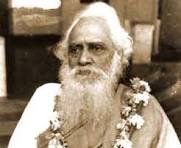
Pandit Nilakantha Das
Freedom Fighters | 5 August 1884 - 6 November 1967
"Pandit Nilakantha Das was one of the greatest intellectuals, freedom fighters, educationists, and literary figures of Odisha. Popularly known as "Utkala Guru," he played a pivotal role in promoting the Odia language, establishing modern Odisha, and strengthening India's freedom movement through education, politics, and social reform."
Born
5 August 1884Birthplace
Sri Ramachandrapur, Puri District, Odisha, IndiaDied
6 November 1967Place of Death
Cuttack, Odisha, IndiaNationality
IndianGender
MalePandit Nilakantha Das Biography
Pandit Nilakantha Das was one of the greatest scholars, freedom fighters, educationists, writers, social reformers, and political leaders in the history of Odisha. Revered as "Utkala Guru," he dedicated his life to the advancement of education, preservation of the Odia language, social reform, and national service.
He emerged during a critical period when Odisha lacked a separate political identity and the future of the Odia language faced significant challenges. Through his intellectual leadership, political activism, literary achievements, and participation in the freedom movement, he played a major role in shaping modern Odisha.
His contributions extended across education, politics, literature, language development, and public administration, making him one of the most influential personalities in Odia history.
Early Life and Family Background
Nilakantha Das was born on 5 August 1884 in Sri Ramachandrapur, a village near Sakhigopal in Puri district. He was born into a respected Brahmin family.
His father, Ananda Das, valued education and progressive social ideals. Although the family experienced financial difficulties following the loss of inherited property, they remained committed to learning and cultural development.
From an early age, Nilakantha demonstrated exceptional intelligence, curiosity, and academic talent.
His determination to pursue education despite challenges became an important characteristic throughout his life.
Education
Nilakantha Das completed his early education in Odisha before joining Puri Zilla School and later Ravenshaw College in Cuttack.
He excelled academically and earned a bachelor's degree in Chemistry and Philosophy. Later, he pursued higher studies at Calcutta University, where he obtained a Master's degree in Philosophy.
His education exposed him to a wide range of philosophical, literary, cultural, and political ideas.
These experiences helped shape him into one of the most learned scholars of his generation.
Association with Gopabandhu Das
A turning point in Nilakantha Das's life came when he came under the influence of Utkalamani Gopabandhu Das.
He deeply admired Gopabandhu's commitment to social service, education, and nationalism. Their partnership would become one of the most significant collaborations in Odisha's modern history.
Inspired by his mentor, Nilakantha embraced the ideals of sacrifice, public service, and national development.
This association played a crucial role in defining his future career.
The Satyabadi Movement
Nilakantha Das became one of the leading figures of the famous Satyabadi Movement, which aimed to transform society through education, patriotism, and moral values.
Working alongside Gopabandhu Das, Acharya Harihar, and other reformers, he helped create an educational movement that shaped modern Odisha.
The Satyabadi Movement emphasized character building, nationalism, social equality, and service to society.
Its influence extended far beyond the classroom and reached all aspects of public life.
Satyabadi Bana Bidyalaya
One of Nilakantha Das's most important contributions was his role in Satyabadi Bana Bidyalaya, one of Odisha's most famous educational institutions.
As a teacher and later headmaster, he helped create an educational environment that combined academic excellence with patriotism and moral development.
The school encouraged students from different social backgrounds to learn and live together.
This progressive approach challenged social discrimination and promoted equality.
Participation in India's Freedom Movement
Inspired by Mahatma Gandhi and other nationalist leaders, Nilakantha Das actively participated in India's freedom struggle.
He joined the Indian National Congress and supported movements aimed at ending British rule.
His political activities often brought him into conflict with colonial authorities.
Despite challenges and imprisonment, he remained committed to India's independence.
Imprisonment for Nationalist Activities
Nilakantha Das was imprisoned multiple times for his participation in the freedom movement.
Between the 1920s and 1930s, he endured jail terms because of his nationalist activities and support for Gandhian campaigns.
These sacrifices reflected his dedication to achieving freedom for India.
His imprisonment strengthened his reputation as a fearless patriot and leader.
Contribution to the Formation of Odisha
One of Nilakantha Das's greatest achievements was his contribution to the creation of Odisha as a separate province.
At the time, Odia-speaking regions were divided among different administrative units under British rule.
Nilakantha strongly advocated for the unification of Odia-speaking areas under a single administration.
His legislative efforts helped Odisha become India's first province formed primarily on a linguistic basis in 1936.
Champion of the Odia Language
Nilakantha Das devoted considerable effort to promoting and protecting the Odia language.
He conducted research, produced scholarly works, and encouraged the study of Odia literature and linguistic heritage.
His efforts helped strengthen the cultural identity of the Odia-speaking population.
He viewed language as a fundamental element of community identity and national development.
Political Career
In addition to his work as an educator and reformer, Nilakantha Das served in important legislative positions.
He became a member of the Central Legislative Assembly and used the platform to advocate for Odisha's interests.
His speeches and parliamentary work earned him respect across political circles.
He became known as one of the most powerful orators and legislators of his time.
Speaker of Odisha Legislative Assembly
Nilakantha Das later served as the Speaker of the Odisha Legislative Assembly.
His deep understanding of constitutional principles, parliamentary procedures, and public affairs made him highly effective in this role.
He promoted democratic values and helped strengthen legislative traditions within the state.
His tenure reflected the respect he enjoyed across party lines.
Literary Contributions
Apart from politics, Nilakantha Das was a distinguished writer and literary figure. He produced numerous books, essays, poems, historical studies, and philosophical works.
His writings covered topics including history, literature, social issues, religion, culture, and national identity.
Several of his works remain important contributions to Odia literature.
His literary excellence further strengthened his reputation as one of Odisha's greatest intellectuals.
Social Reform Efforts
Nilakantha Das believed that education and social reform were essential for national progress.
He supported equality, social justice, and opportunities for marginalized communities.
His educational initiatives sought to overcome social barriers and promote unity.
These efforts reflected his vision of an inclusive and progressive society.
Awards and Honors
The nation recognized Nilakantha Das's contributions with several prestigious honors.
He received the Padma Bhushan for his public service and intellectual achievements. He also received the Sahitya Akademi Award for his literary contributions.
Utkal University honored him with a Doctor of Literature degree.
The title "Utkala Guru" remains one of the most meaningful recognitions associated with his legacy.
Legacy and Historical Importance
Pandit Nilakantha Das occupies a unique position in the history of Odisha. Few individuals contributed so significantly to education, language development, literature, politics, and the freedom movement.
His work helped preserve Odia identity during a crucial period while also advancing India's nationalist cause.
Through scholarship, public service, and political leadership, he shaped generations of students and leaders.
Today, he is remembered as one of Odisha's greatest sons and one of India's most respected intellectual freedom fighters.
Interesting Facts About Nilakantha Das
- He was popularly known as "Utkala Guru".
- He was one of the Pancha Sakha of modern Odisha.
- He served as headmaster of Satyabadi Bana Bidyalaya.
- He played a major role in forming Odisha as a separate province.
- He was imprisoned multiple times during the freedom movement.
- He served as Speaker of the Odisha Legislative Assembly.
- He received the Padma Bhushan.
- He won the Sahitya Akademi Award.
Frequently Asked Questions (FAQs)
Who was Nilakantha Das?
Nilakantha Das was a freedom fighter, educator, writer, social reformer, and political leader from Odisha.
Why was Nilakantha Das called Utkala Guru?
He received the title because of his outstanding contributions to education, literature, politics, and Odia society.
What was Nilakantha Das's role in Odisha's formation?
He strongly advocated the unification of Odia-speaking regions, helping Odisha become a separate province in 1936.
Did Nilakantha Das participate in the freedom movement?
Yes, he actively participated in India's freedom struggle and was imprisoned multiple times.
What are Nilakantha Das's major contributions?
His major contributions include education, Odia language promotion, freedom movement activities, literature, and legislative service.
Conclusion
Pandit Nilakantha Das was a visionary leader whose contributions transformed Odisha's educational, political, and cultural landscape. Through his dedication to the Odia language, freedom movement, social reform, and public service, he helped shape modern Odisha and inspire future generations. His legacy as Utkala Guru continues to guide those who believe in education, patriotism, and the power of knowledge to change society.
Comments & Tribute (0)