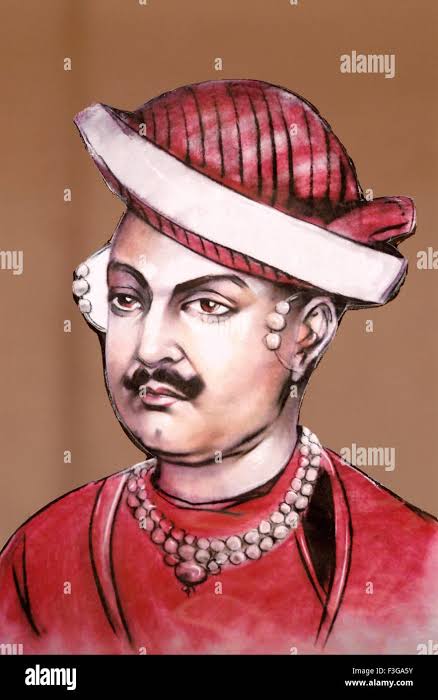
Nana Sahib
Freedom Fighters | 19 May 1824 - Unknown (Disappeared after 1859)
"Nana Sahib was one of the leading figures of the Revolt of 1857 and a prominent opponent of British rule in India. As the adopted son of Peshwa Baji Rao II, he led the uprising in Kanpur and became a symbol of resistance against colonial oppression."
Born
19 May 1824Birthplace
Bithoor, Kanpur District, British India (Present-day Uttar Pradesh, India)Died
Unknown (Disappeared after 1859)Place of Death
UnknownNationality
IndianGender
MaleNana Sahib Biography
Nana Sahib, also known as Dhondu Pant, was one of the most prominent leaders of the Revolt of 1857. As the adopted son of the last Maratha Peshwa, Baji Rao II, he became a major figure in the struggle against British colonial rule. His leadership during the uprising at Kanpur made him one of the most recognized heroes of India's early freedom movement.
Early Life and Family
Nana Sahib was born as Dhondu Pant on 19 May 1824 in Bithoor, near Kanpur. He was later adopted by Peshwa Baji Rao II, the former ruler of the Maratha Empire.
Growing up in the Peshwa's household, Nana Sahib received a good education and was trained in administration, military affairs, and leadership. He enjoyed a privileged upbringing and was regarded as the heir to the Peshwa's legacy.
Dispute with the British
After the death of Peshwa Baji Rao II in 1851, Nana Sahib expected to receive the pension that had been granted to his adoptive father by the British East India Company.
However, Governor-General Lord Dalhousie refused to recognize Nana Sahib's claim and stopped the pension. This decision caused deep resentment and became one of the major reasons for Nana Sahib's opposition to British rule.
He viewed the British policy as unfair and an insult to the status and rights of his family.
Role in the Revolt of 1857
When the Revolt of 1857 began, Nana Sahib emerged as one of its leading figures. He joined the uprising against British authority and became the principal leader of the rebellion in Kanpur.
Under his leadership, rebel forces challenged British control and sought to restore Indian self-rule. His actions inspired many soldiers and civilians to participate in the movement.
Leadership at Kanpur
Kanpur became one of the most important centers of the Revolt of 1857. Nana Sahib organized military operations and coordinated resistance against British forces in the region.
His army included Indian soldiers, local supporters, and several prominent revolutionary leaders. Among his trusted associates was Tatya Tope, who later became one of the most celebrated military commanders of the rebellion.
Declaration as Peshwa
During the uprising, Nana Sahib declared himself the Peshwa and sought to revive Maratha authority. This move symbolized resistance against colonial rule and appealed to those who wished to restore Indian political sovereignty.
His leadership strengthened the morale of the rebels and challenged British authority in northern India.
Military Campaigns
Nana Sahib directed several military operations against British forces throughout the revolt. Although the rebels initially achieved important successes, British troops eventually regained control through superior military resources and reinforcements.
Despite setbacks, Nana Sahib continued the struggle and remained committed to the cause of freedom.
Association with Other Leaders
Nana Sahib worked closely with several important leaders of the Revolt of 1857, including:
- Tatya Tope
- Rani Lakshmibai of Jhansi
- Begum Hazrat Mahal
- Azimullah Khan
These leaders collectively formed a powerful resistance against British colonial rule across different regions of India.
Disappearance
Following the suppression of the revolt, Nana Sahib disappeared from public view. British authorities launched extensive efforts to capture him, but they were unsuccessful.
Several theories emerged regarding his fate. Some accounts suggest that he escaped to Nepal, while others claim he lived anonymously elsewhere. However, no definitive evidence regarding his final years has been established.
As a result, the circumstances of his death remain one of the enduring mysteries of Indian history.
Leadership Qualities
Nana Sahib was known for his determination, courage, and ability to inspire people during a period of political turmoil. He played a crucial role in mobilizing support against British rule and organizing resistance efforts.
His leadership helped transform the Revolt of 1857 into a major challenge to colonial authority.
Legacy
Nana Sahib is remembered as one of the principal leaders of the Revolt of 1857 and an important figure in India's struggle against British rule. His efforts contributed significantly to the growth of nationalist sentiment in India.
Although the revolt did not succeed, it laid the foundation for future independence movements and inspired generations of freedom fighters.
Honours and Recognition
- Recognized as one of the key leaders of the Revolt of 1857.
- Remembered for his resistance against British colonial rule.
- Associated with the revival of Maratha political aspirations.
- Celebrated as an early freedom fighter in Indian history.
- Featured in historical books, memorials, and educational works across India.
Historical Significance
Nana Sahib played an important role in transforming local unrest into a larger movement against British authority. His leadership at Kanpur made him one of the most influential figures of the Revolt of 1857.
His actions demonstrated the growing desire among Indians for self-governance and resistance to colonial domination.
Conclusion
Nana Sahib dedicated himself to opposing British rule and became one of the central leaders of the Revolt of 1857. Through his leadership, courage, and determination, he helped shape one of the most significant uprisings in Indian history. His legacy continues to inspire generations as a symbol of patriotism, resistance, and the pursuit of freedom.
Comments & Tribute (0)