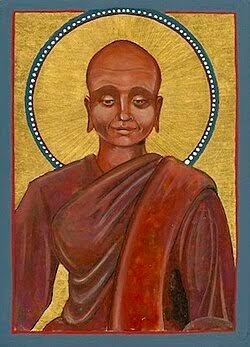
Mahapajapati Gautami
Spiritual Leaders | c. 6th Century BCE (Exact date unknown) - c. 5th Century BCE (Exact date unknown)
"Mahapajapati Gautami was the foster mother of Gautama Buddha and the first woman to be ordained into Buddhism. She founded the Bhikkhuni Sangha and became one of the most influential women in Buddhist history."
Born
c. 6th Century BCE (Exact date unknown)Birthplace
Devadaha, Ancient India (present-day Nepal region)Died
c. 5th Century BCE (Exact date unknown)Place of Death
Ancient India (Exact location unknown)Nationality
Ancient IndiaGender
FemaleMahapajapati Gautami Biography
Mahapajapati Gautami occupies a unique and honored place in Buddhist history as the foster mother of Gautama Buddha and the first woman to be ordained into the Buddhist monastic order. She is remembered not only for raising Prince Siddhartha after the death of his birth mother but also for her determination in establishing the Bhikkhuni Sangha, the community of Buddhist nuns.
Her life represents compassion, perseverance, devotion, and spiritual achievement. Through her efforts, women were given the opportunity to pursue monastic life within Buddhism, making her one of the most influential female figures in religious history.
For Buddhists around the world, Mahapajapati Gautami symbolizes courage and determination. Her story demonstrates the power of faith, patience, and unwavering commitment to spiritual truth.
Early Life and Family Background
Mahapajapati Gautami was born in Devadaha, a city associated with the Koliyan clan. She belonged to a noble family and was closely connected to the royal houses of the region.
She was the younger sister of Queen Maya Devi, who later became the mother of Prince Siddhartha Gautama, the future Buddha. Both sisters eventually married King Suddhodana, ruler of the Shakya kingdom.
Growing up in a royal environment, Mahapajapati received the advantages of a noble upbringing. She developed qualities of compassion, wisdom, and leadership that later played a significant role in shaping Buddhist history.
Her noble background enabled her to influence many people, yet her true greatness emerged through her spiritual journey rather than her royal status.
Foster Mother of Prince Siddhartha
Soon after the birth of Prince Siddhartha, Queen Maya passed away. Following this tragedy, Mahapajapati assumed responsibility for raising the infant prince. Although she was his maternal aunt, she cared for him as her own son.
She provided him with love, protection, and guidance during his childhood. Her nurturing role ensured that Siddhartha received the care necessary for his growth and development.
The bond between Mahapajapati and Siddhartha became exceptionally strong. Buddhist traditions describe her as more than a foster mother; she became one of the most important individuals in the future Buddha's life.
By raising Siddhartha after the death of his mother, she played a crucial role in the early life of one of history's most influential spiritual teachers.
Life in the Royal Court
As queen in the court of King Suddhodana, Mahapajapati fulfilled many royal responsibilities. She participated in the management of palace affairs and contributed to the welfare of the royal household.
The Shakya kingdom was a center of culture, tradition, and political activity. Living within this environment gave her insight into human nature, leadership, and social responsibilities.
She witnessed Siddhartha's transformation from a prince living in luxury to a seeker determined to understand the causes of suffering. This experience had a profound impact on her own life and spiritual outlook.
Her experiences in the royal court prepared her for the leadership role she would later assume within the Buddhist community.
Siddhartha's Renunciation
One of the defining moments in Mahapajapati's life was Siddhartha's decision to leave the palace in search of spiritual truth. Like the rest of the royal family, she experienced sorrow upon seeing him renounce worldly life.
Despite her emotional attachment, she respected his decision and later witnessed the remarkable transformation that followed. After years of meditation and spiritual practice, Siddhartha attained enlightenment and became the Buddha.
The success of his spiritual journey strengthened Mahapajapati's own faith in the path he taught.
She would eventually choose to follow that path herself.
Acceptance of Buddhism
After the Buddha began teaching, Mahapajapati adopted his teachings and became one of his devoted followers. She recognized the value of his message and embraced the principles of compassion, wisdom, and non-attachment.
Her faith in Buddhism continued to grow as she listened to the Buddha's sermons and observed the positive impact of his teachings on society.
Many members of the royal family entered the Buddhist path, and Mahapajapati became increasingly committed to pursuing spiritual development.
Her dedication eventually led her to seek formal ordination.
The Request for Women's Ordination
Mahapajapati Gautami made history when she requested permission for women to enter the Buddhist monastic order. At the time, only men were being ordained as monks.
According to Buddhist tradition, she approached the Buddha and requested permission to become a nun. Her request was initially declined. However, she remained determined and continued to seek the opportunity for women to participate fully in religious life.
Her persistence demonstrated extraordinary courage and conviction. Rather than abandoning her goal, she continued to advocate for women's inclusion in the spiritual community.
This determination would eventually change the course of Buddhist history.
Journey to Obtain Ordination
Mahapajapati's commitment became evident when she, along with a large group of women, shaved her head, adopted simple robes, and undertook a difficult journey to meet the Buddha again.
The women traveled long distances on foot and endured considerable hardship. Their willingness to make such sacrifices reflected their deep faith and commitment to spiritual life.
The sight of these determined women moved many members of the Buddhist community and highlighted the seriousness of their request.
Their perseverance became one of the most inspiring episodes in Buddhist history.
Ananda's Support
A crucial turning point occurred when Ananda, one of the Buddha's most devoted disciples, supported Mahapajapati's request. He argued that women were equally capable of achieving spiritual enlightenment.
The Buddha acknowledged that women possessed the same potential for spiritual liberation as men. Following this important discussion, he agreed to allow women to enter the monastic community.
This decision led to the establishment of the Bhikkhuni Sangha, the order of Buddhist nuns.
As a result, Mahapajapati became the first woman ordained into Buddhism and the founder of the female monastic tradition.
The First Buddhist Nun
With her ordination, Mahapajapati Gautami became the first Bhikkhuni in Buddhist history. Her acceptance marked the beginning of a new chapter in the development of Buddhism.
She assumed a leadership role within the newly established community of nuns and provided guidance to other women entering monastic life.
Her example encouraged women from various backgrounds to pursue spiritual training and seek enlightenment.
The creation of the Bhikkhuni Sangha remains one of the most significant developments in Buddhist history.
Spiritual Attainments
According to Buddhist traditions, Mahapajapati Gautami achieved exceptional spiritual progress through dedication and practice. She devoted herself fully to the teachings of the Buddha and became an accomplished practitioner.
Her life served as evidence that women could attain the highest levels of spiritual realization. This fact carried great significance within the early Buddhist community.
She became a source of inspiration for both monks and nuns and demonstrated the transformative power of Buddhist practice.
Her spiritual achievements remain highly respected throughout the Buddhist world.
Leadership and Teaching
As head of the Bhikkhuni Sangha, Mahapajapati provided leadership, guidance, and instruction to countless women pursuing religious life.
Her wisdom, compassion, and experience enabled her to mentor new generations of nuns. Under her leadership, the female monastic community grew in strength and influence.
She helped establish standards of discipline, practice, and learning that shaped the future development of Buddhist nun traditions.
Her impact extended far beyond her own lifetime and influenced Buddhist communities across Asia.
Legacy and Historical Importance
Mahapajapati Gautami's legacy is immense. As the foster mother of Gautama Buddha, she played a critical role in his early life. As the first Buddhist nun, she opened the path for countless women to pursue spiritual liberation.
The Bhikkhuni Sangha that she founded became an important institution within Buddhism and contributed significantly to the spread of Buddhist teachings.
Her persistence, courage, and devotion transformed religious history and established her as one of the most influential women in world spirituality.
Today, Buddhists around the globe honor her as a model of faith, leadership, and dedication.
Interesting Facts About Mahapajapati Gautami
- She was the maternal aunt and foster mother of Gautama Buddha.
- She raised Prince Siddhartha after the death of Queen Maya.
- She became the first Buddhist nun in history.
- She founded the Bhikkhuni Sangha.
- She played a major role in opening Buddhist monastic life to women.
- She is one of the most respected female figures in Buddhism.
- She inspired generations of Buddhist nuns across Asia.
- Her life symbolizes perseverance and spiritual determination.
Frequently Asked Questions (FAQs)
Who was Mahapajapati Gautami?
Mahapajapati Gautami was the foster mother of Gautama Buddha and the first Buddhist nun.
Why is Mahapajapati Gautami important?
She founded the Bhikkhuni Sangha and opened the path for women to become ordained in Buddhism.
What was her relationship with Buddha?
She was Buddha's maternal aunt and foster mother who raised him after the death of Queen Maya.
Was Mahapajapati Gautami the first Buddhist nun?
Yes, she is traditionally recognized as the first Buddhist nun in history.
What is her legacy?
Her legacy lies in establishing the female monastic order and promoting women's spiritual participation in Buddhism.
Conclusion
Mahapajapati Gautami remains one of the most influential women in religious history. Through her determination, compassion, and spiritual dedication, she became the first Buddhist nun and established opportunities for women to participate fully in Buddhist monastic life. Her contributions continue to inspire millions of people around the world and secure her place as one of the greatest spiritual leaders in history.
Comments & Tribute (0)