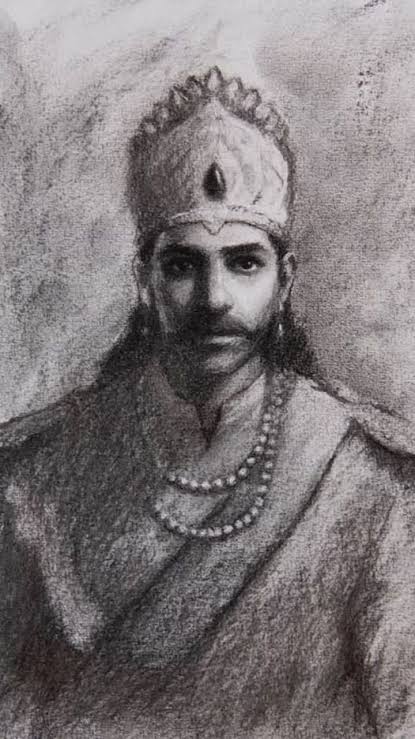
Lalitaditya Muktapida
Warriors & Kings | c. 699 CE (Approximate) - c. 760 CE (Approximate)
"Lalitaditya Muktapida was the most powerful ruler of the Karkota Dynasty who expanded Kashmir into a major imperial power, achieved remarkable military successes, and promoted art, architecture, and culture during the 8th century."
Born
c. 699 CE (Approximate)Birthplace
Kashmir, IndiaDied
c. 760 CE (Approximate)Place of Death
Kashmir or Central Asia (exact location uncertain)Nationality
IndianGender
MaleLalitaditya Muktapida Biography
Lalitaditya Muktapida was one of the greatest rulers in the history of Kashmir and among the most celebrated emperors of early medieval India. He belonged to the Karkota Dynasty and ruled during the eighth century CE, a period marked by political expansion, military achievements, economic prosperity, and cultural development. His reign transformed Kashmir into one of the most influential kingdoms of the Indian subcontinent.
Remembered as a conqueror, visionary administrator, and patron of art and architecture, Lalitaditya occupies a prominent place in Indian history. His achievements are recorded primarily in the Rajatarangini, the famous historical chronicle written by Kalhana in the twelfth century. Although some accounts contain legendary elements, there is broad agreement that Lalitaditya was an extraordinary ruler who significantly expanded the influence and prestige of Kashmir.
His military campaigns, architectural projects, and support for trade helped establish a powerful state that contributed greatly to the political and cultural landscape of medieval India.
Early Life and Family Background
Lalitaditya Muktapida was born into the Karkota royal family, one of the most influential dynasties in the history of Kashmir. He was the son of Durlabhaka Pratapaditya, an important ruler who strengthened the foundations of the kingdom. Growing up within the royal court, Lalitaditya received an education suitable for a future emperor.
His training included military strategy, administration, diplomacy, religious studies, literature, and governance. Kashmir during this period was already an important center of culture and learning, providing the prince with opportunities to interact with scholars, religious leaders, and experienced administrators.
From an early age, Lalitaditya is believed to have displayed leadership qualities, intelligence, and ambition. These attributes would later help him build one of the most powerful kingdoms of his era.
Accession to the Throne
After the reign of his predecessors, Lalitaditya ascended the throne of Kashmir during the eighth century CE. At the time of his accession, Kashmir was a prosperous kingdom strategically positioned between India, Central Asia, Tibet, and other important regions.
The kingdom's geographical location gave it considerable significance for trade, diplomacy, and military affairs. Recognizing these advantages, Lalitaditya sought not only to preserve the kingdom but also to transform it into a major imperial power.
His accession marked the beginning of one of the most dynamic reigns in the history of Kashmir.
Expansion of the Kashmir Empire
One of Lalitaditya's greatest achievements was the expansion of the Kashmir Empire through a series of military campaigns. Historical traditions describe him as a ruler with exceptional ambition and determination. He aimed to extend Kashmir's influence beyond its traditional boundaries and establish supremacy over neighboring regions.
His campaigns reportedly reached many parts of northern India and extended toward Central Asia. Various rulers either accepted his authority or formed political relationships that enhanced Kashmir's prestige.
Whether every conquest described in historical narratives can be confirmed or not, there is little doubt that Lalitaditya significantly increased the influence of Kashmir and elevated its status among contemporary kingdoms.
The expansion of territory strengthened trade, increased revenue, and enhanced the kingdom's political importance.
Military Leadership and Conquests
Lalitaditya earned a reputation as one of the most successful military commanders of his era. His army was organized effectively and capable of operating across diverse geographical regions, including mountains, plains, and frontier territories.
Military victories brought wealth, political influence, and strategic advantages to the kingdom. Through careful planning and strong leadership, he secured Kashmir's position as a major regional power.
Historical accounts suggest that his influence extended across vast areas and that he confronted numerous rival rulers. His success demonstrated not only military capability but also diplomatic skill, as maintaining authority over large territories required cooperation from local elites and administrators.
These achievements contributed to his enduring reputation as one of the most powerful rulers in Indian history.
Administration and Governance
Military strength alone could not have sustained the achievements of Lalitaditya. He was also an effective administrator who understood the importance of stable governance. His administration worked to maintain order, collect revenue, support commerce, and ensure the welfare of the population.
The empire relied upon local officials and regional administrators who operated under royal supervision. This administrative structure enabled the government to manage extensive territories efficiently.
Lalitaditya encouraged infrastructure development and maintained systems that facilitated communication and economic activity. These efforts strengthened the foundations of the state and contributed to long-term prosperity.
His governance reflected a combination of authority, practicality, and strategic vision.
Economic Prosperity and Trade
Kashmir occupied a valuable position along important trade routes connecting India with Central Asia and beyond. During Lalitaditya's reign, trade became a major source of prosperity for the kingdom.
Merchants exchanged textiles, agricultural products, horses, precious stones, spices, and various luxury goods. Commercial interactions linked Kashmir with distant regions and encouraged cultural exchange.
The government supported economic activity by maintaining security and promoting stable conditions for merchants. These policies increased state revenues and contributed to urban growth.
Economic prosperity under Lalitaditya strengthened the kingdom's ability to support military campaigns, architectural projects, and cultural activities.
Construction of the Martand Sun Temple
Perhaps the most famous architectural achievement associated with Lalitaditya Muktapida is the construction of the magnificent Martand Sun Temple. Located near present-day Anantnag in Kashmir, this temple is regarded as one of the greatest examples of ancient Kashmiri architecture.
Dedicated to the Sun God, the temple reflects the artistic excellence and engineering skill of the period. Its grand design combined local traditions with influences from other architectural styles, creating a unique and impressive monument.
Although the temple later fell into ruin, its remains continue to inspire historians, archaeologists, and visitors. The structure remains one of the most significant symbols of Kashmir's cultural heritage.
The Martand Sun Temple stands as a lasting testament to Lalitaditya's vision and patronage.
Patronage of Art and Culture
Lalitaditya was not only a conqueror but also a patron of culture. His court attracted scholars, artists, architects, and intellectuals who contributed to the flourishing cultural environment of the kingdom.
Literature, education, and artistic expression benefited from royal support. The prosperity generated during his reign enabled cultural institutions to develop and thrive.
The ruler recognized the importance of culture in enhancing the prestige of the state and promoting social cohesion. His encouragement of artistic and intellectual activities helped create a vibrant cultural atmosphere throughout the kingdom.
These achievements contributed significantly to the historical reputation of Kashmir as a center of learning and creativity.
Religion and Religious Tolerance
Like many rulers of early medieval India, Lalitaditya supported Hindu religious traditions and sponsored the construction of temples and sacred institutions. Religious ceremonies formed an important part of royal life and public culture.
At the same time, Kashmir remained a diverse society where different religious traditions coexisted. The region had a rich intellectual environment that included various philosophical and religious schools.
The support extended to religious institutions contributed to social stability and reinforced the legitimacy of royal authority. Religion, education, and culture often worked together to shape the broader life of the kingdom.
This atmosphere encouraged the development of a sophisticated and dynamic civilization.
Foreign Relations and Diplomacy
The strategic location of Kashmir required careful management of foreign relations. Lalitaditya maintained contact with neighboring kingdoms and regions through diplomacy as well as military strength.
Relations with Central Asian territories, frontier regions, and neighboring Indian kingdoms played important roles in the kingdom's security and prosperity. Trade routes crossing Kashmir enhanced both economic activity and cultural exchange.
Diplomatic engagement helped maintain stability while supporting the broader political objectives of the empire.
These relationships reflected Lalitaditya's understanding of the interconnected nature of political and economic power.
Character and Leadership
Historical traditions portray Lalitaditya as a ruler of extraordinary energy and ambition. He combined military courage with administrative competence and cultural vision.
His willingness to undertake large-scale campaigns and monumental construction projects demonstrates self-confidence and determination. At the same time, his support for trade and governance reflects practical leadership skills.
The balance between military achievement and cultural patronage distinguishes him from many other rulers of his era.
These qualities contributed to his reputation as one of the most influential monarchs in Indian history.
Legacy and Historical Importance
Lalitaditya Muktapida is widely regarded as the greatest ruler of the Karkota Dynasty and one of the most important figures in Kashmiri history. His reign represented the height of Kashmir's political power during the early medieval period.
Through military expansion, administrative efficiency, economic development, and architectural patronage, he transformed the kingdom into a significant regional power. His achievements enhanced the prestige of Kashmir and contributed to its cultural and historical identity.
The construction of the Martand Sun Temple alone would have secured his place in history, but his broader accomplishments make him one of the most remarkable rulers of medieval India.
Historians continue to study his reign as an example of political ambition, cultural patronage, and effective statecraft.
Conclusion
Lalitaditya Muktapida was among the greatest emperors of ancient and medieval India. As the most celebrated ruler of the Karkota Dynasty, he expanded Kashmir's influence, promoted economic prosperity, encouraged cultural growth, and created architectural masterpieces that continue to inspire admiration today.
His reign represents a golden age in the history of Kashmir and demonstrates the potential of visionary leadership to transform a regional kingdom into a major political and cultural power. Today, Lalitaditya remains a symbol of strength, ambition, achievement, and civilization in Indian history.
Comments & Tribute (0)