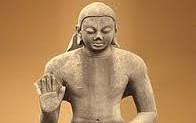
Kumaragupta I
Warriors & Kings | c. 390 CE (Approximate) - c. 455 CE (Approximate)
"Kumaragupta I was a powerful Gupta emperor who maintained the empire's prosperity, strengthened administration, promoted learning and religion, and ruled during the peak of India's Golden Age."
Born
c. 390 CE (Approximate)Birthplace
Gupta Empire, Ancient IndiaDied
c. 455 CE (Approximate)Place of Death
Gupta Empire, Ancient IndiaNationality
IndianGender
MaleKumaragupta I Biography
Kumaragupta I, also known by the imperial title Mahendraditya, was one of the most important rulers of the Gupta Dynasty and played a significant role in preserving the strength and prosperity of the Gupta Empire during the fifth century CE. He succeeded his father Chandragupta II Vikramaditya and inherited one of the largest and most powerful empires in ancient India. His reign is widely regarded as a period of stability, administrative success, economic prosperity, and cultural advancement.
Unlike some of his predecessors, who are remembered mainly for military conquests, Kumaragupta's legacy is closely associated with maintaining imperial unity and ensuring continued prosperity throughout the empire. His leadership helped preserve the achievements of the Gupta Golden Age and contributed to the cultural and intellectual progress that characterized this remarkable era of Indian history.
The reign of Kumaragupta I represents a crucial phase in the history of the Gupta Empire. Through effective governance, religious patronage, economic development, and military preparedness, he ensured that the dynasty remained one of the foremost powers of the ancient world.
Early Life and Royal Background
Kumaragupta I was born into the illustrious Gupta royal family during the height of imperial prosperity. He was the son of Chandragupta II Vikramaditya, one of the greatest emperors of the Gupta Dynasty. Growing up in the royal household, Kumaragupta received extensive training in administration, military strategy, diplomacy, religion, and literature.
The Gupta court was renowned for its intellectual and cultural achievements. Scholars, poets, religious leaders, and administrators from various regions regularly participated in court activities. This environment played a vital role in shaping Kumaragupta's worldview and leadership abilities.
As a prince, he witnessed firsthand the strength of the Gupta state and learned the responsibilities associated with ruling a large and diverse empire. His education prepared him to manage the political, economic, and military challenges that would accompany his future reign.
Accession to the Throne
Following the death of Chandragupta II, Kumaragupta ascended the Gupta throne around the early fifth century CE. He inherited an empire that stretched across a vast territory and included numerous provinces, cities, and tributary regions.
Unlike rulers who gained power during periods of political uncertainty, Kumaragupta inherited a strong and stable state. Nevertheless, governing such a large empire required exceptional administrative skills and strategic leadership.
His early years as emperor focused on preserving stability, maintaining law and order, and strengthening administrative institutions. These efforts enabled the Gupta Empire to continue flourishing throughout much of his reign.
The Gupta Empire Under Kumaragupta
Under Kumaragupta I, the Gupta Empire remained one of the most prosperous and influential kingdoms in Asia. The empire encompassed extensive territories across northern and central India and maintained authority over important economic and cultural centers.
The political stability achieved during this period encouraged agricultural production, trade, education, and artistic activity. Provincial governors administered local regions while remaining loyal to the central government.
The emperor ensured that imperial institutions functioned effectively and that communication between different regions remained efficient. These administrative achievements contributed significantly to the empire's continued success.
Administrative Excellence
One of Kumaragupta's greatest strengths was his administrative capability. The Gupta Empire consisted of diverse populations, languages, customs, and religious traditions. Managing such variety required a flexible and efficient system of governance.
The administration under Kumaragupta emphasized justice, public order, revenue collection, and local autonomy. Provincial officials supervised agricultural production, taxation, infrastructure development, and law enforcement.
The emperor maintained existing administrative structures while introducing measures to improve efficiency. This balanced approach helped preserve stability and prevented major internal conflicts.
His successful governance contributed greatly to the longevity of Gupta power and influence.
Military Policies and Defense
Although Kumaragupta is often remembered for peaceful administration, military preparedness remained an essential aspect of his rule. The Gupta Empire faced various challenges from neighboring powers and tribal groups seeking opportunities to expand their influence.
Kumaragupta maintained a strong military capable of defending the empire's borders and protecting internal stability. His administration ensured that military resources remained available whenever necessary.
Evidence from inscriptions and coins suggests that he successfully preserved the territorial integrity of the empire throughout most of his reign. His achievements demonstrate that lasting peace often depends upon effective defensive capabilities.
Toward the later years of his reign, new challenges emerged from external groups. Nevertheless, the Gupta state remained largely stable under his leadership.
Economic Prosperity and Trade
The Gupta Empire enjoyed considerable economic prosperity during Kumaragupta's reign. Agriculture formed the foundation of the economy, with fertile river valleys supporting the cultivation of crops and generating substantial revenue.
Trade also flourished under Gupta rule. Merchants transported goods within India and to foreign markets. Commercial centers benefited from increased economic activity, leading to urban growth and rising prosperity.
Products such as textiles, spices, precious stones, metals, ivory goods, and luxury items were regularly exchanged through regional and international trade networks.
Economic growth strengthened the state's finances and enabled greater support for religious institutions, educational centers, and cultural activities.
Coinage and Monetary System
Kumaragupta I issued an impressive variety of gold, silver, and copper coins. These coins are among the most valuable sources of information about his reign.
His coinage displayed artistic excellence and reflected important aspects of Gupta political ideology. Several coin types featured royal imagery, religious symbols, and depictions emphasizing imperial authority.
The widespread circulation of Gupta coins demonstrates the strength of the economy and the effectiveness of the monetary system. Modern historians and archaeologists continue to study these coins for insights into Gupta society, religion, and governance.
The quality of Kumaragupta's coinage reflects the prosperity and sophistication of the Gupta Empire during his rule.
Religion and Religious Tolerance
Kumaragupta was a devout follower of Hindu traditions and is particularly associated with the worship of Kartikeya, also known as Skanda. Religious symbolism connected with Kartikeya appears on several of his coins.
Despite his personal religious beliefs, Kumaragupta followed the Gupta tradition of religious tolerance. Different faiths and religious communities coexisted peacefully within the empire.
Buddhist institutions continued to flourish, while Jain and Hindu communities enjoyed royal protection and support. This inclusive approach strengthened social harmony and contributed to the stability of the state.
The emperor recognized the value of religious diversity and encouraged mutual respect among different traditions.
Association with Nalanda University
Kumaragupta I is traditionally associated with the early development of Nalanda, which later became one of the most famous centers of learning in the ancient world. Although historians continue to examine the details of this connection, many traditions identify him as an important supporter of educational initiatives.
Nalanda eventually emerged as a renowned institution attracting students and scholars from different parts of Asia. The intellectual environment encouraged by Gupta rulers helped create favorable conditions for such centers of learning.
Education, scholarship, philosophy, and scientific inquiry flourished during the Gupta period, reflecting the dynasty's commitment to intellectual advancement.
Patronage of Art and Culture
The reign of Kumaragupta formed part of the broader Gupta Golden Age, one of the most celebrated periods of cultural development in Indian history. Literature, sculpture, architecture, painting, and religious art continued to flourish throughout the empire.
Artists received support from royal patrons, religious institutions, and wealthy communities. Temples and public structures displayed impressive artistic achievements characterized by elegance and refinement.
Scientific and literary traditions also benefited from favorable conditions. The cultural achievements associated with the Gupta era continue to influence Indian civilization and remain subjects of historical admiration.
Challenges During His Reign
Although Kumaragupta's reign was largely successful, his later years witnessed new challenges. Various political groups and external forces sought to exploit opportunities created by the empire's vast size and regional diversity.
These challenges required careful management and demonstrated the importance of strong leadership. Kumaragupta relied upon his administrative experience and military resources to maintain order and preserve imperial authority.
The ability of the Gupta state to withstand these pressures reflects the strength of the institutions developed during his reign.
Legacy and Historical Importance
Kumaragupta I occupies an important position in Indian history as a ruler who successfully preserved one of the greatest empires of the ancient world. His achievements ensured that the prosperity and cultural brilliance established by his predecessors continued for several decades.
The economic strength, administrative efficiency, and cultural growth of his reign contributed significantly to the enduring reputation of the Gupta Empire as India's Golden Age.
His support for education, religious tolerance, artistic development, and effective governance helped shape Indian civilization in lasting ways. Historians regard him as one of the most capable and successful rulers of the Gupta Dynasty.
The coins, inscriptions, and monuments associated with his reign continue to provide valuable evidence for understanding the political and cultural history of ancient India.
Conclusion
Kumaragupta I Mahendraditya was a distinguished emperor whose reign represented stability, prosperity, and cultural achievement. By preserving the strength of the Gupta Empire and supporting education, religion, and the arts, he played a crucial role in maintaining the legacy of India's Golden Age.
His leadership demonstrated that the greatness of an empire depends not only on conquest but also on wise governance, economic development, and cultural patronage. Today, Kumaragupta I remains one of the most respected rulers of ancient India and an enduring symbol of Gupta power and civilization.
Comments & Tribute (0)