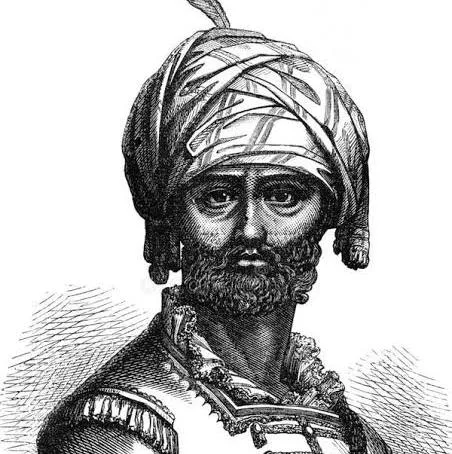
Hyder Ali
Colonial Era | c. 1720 - 07 December 1782
"Hyder Ali was one of the most powerful rulers of 18th-century India and the de facto ruler of the Kingdom of Mysore. Rising from a military background, he transformed Mysore into a major military power and fiercely resisted the expansion of the British East India Company. He is also remembered as the father of Tipu Sultan."
Born
c. 1720Birthplace
Budikote, Kolar District, Kingdom of Mysore (Present-day Karnataka, India)Died
07 December 1782Place of Death
Chittoor, Madras Presidency (Present-day Andhra Pradesh, India)Nationality
IndianGender
MaleHyder Ali Biography
Hyder Ali was one of the most influential rulers of eighteenth-century India and the de facto ruler of the Kingdom of Mysore. Despite not being born into a royal family, he rose through military ranks to become the most powerful figure in Mysore. Through military reforms, territorial expansion, and administrative efficiency, he transformed Mysore into one of the strongest kingdoms in southern India and emerged as a major opponent of British colonial ambitions.
Early Life
Hyder Ali was born around 1720 in Budikote, located in present-day Karnataka. His father, Fath Muhammad, served as a military officer in the Mysore army.
Although Hyder Ali had limited formal education, he possessed exceptional intelligence, leadership qualities, and military skills. These abilities helped him rise rapidly through the ranks of the Mysore military.
Entry into Military Service
Hyder Ali joined the Mysore army at a young age and gained experience in warfare through various military campaigns. He demonstrated bravery, strategic thinking, and organizational abilities that distinguished him from other commanders.
His success on the battlefield earned him the confidence of Mysore's rulers and military establishment.
Rise to Power
During the mid-eighteenth century, internal political instability weakened the administration of Mysore. Hyder Ali gradually increased his influence through military achievements and political skill.
By 1761, he had become the effective ruler of Mysore while retaining the Wodeyar dynasty as nominal monarchs. Although he never officially assumed the title of king, he exercised real political and military authority throughout the kingdom.
Expansion of Mysore
Hyder Ali expanded the territory of Mysore through a series of successful military campaigns. He captured several strategic regions and strengthened the kingdom's influence across southern India.
His victories enabled Mysore to emerge as one of the most powerful states in the Indian subcontinent.
Military Reforms
One of Hyder Ali's greatest achievements was the modernization of the Mysore army. He introduced new military techniques and incorporated European methods of training and organization.
Key reforms included:
- Modernization of infantry and artillery units.
- Recruitment of European military experts.
- Development of stronger cavalry forces.
- Improvement of weapons manufacturing.
- Introduction of advanced rocket technology.
These reforms significantly enhanced Mysore's military capabilities and laid the groundwork for future developments under Tipu Sultan.
First Anglo-Mysore War
The First Anglo-Mysore War (1767-1769) was fought between Mysore and the British East India Company along with its allies.
Hyder Ali demonstrated remarkable military skill by advancing rapidly toward Madras and forcing the British into negotiations.
The conflict ended with the Treaty of Madras, which restored territories and recognized Mysore as a major regional power.
Administration and Governance
Hyder Ali established an efficient administrative structure across his territories. He focused on improving revenue collection, maintaining law and order, and encouraging agricultural production.
His policies contributed to the economic growth and stability of Mysore.
He encouraged trade and strengthened the state's financial resources to support both administration and military expansion.
Relations with Foreign Powers
Hyder Ali understood the importance of diplomacy and sought alliances with various regional and international powers.
He maintained contacts with the French, who were rivals of the British, and benefited from French military expertise and support.
These relationships strengthened Mysore's ability to resist British expansion.
Conflict with the Marathas and the Nizam
Besides fighting the British, Hyder Ali frequently faced challenges from the Maratha Confederacy and the Nizam of Hyderabad.
Through a combination of warfare and diplomacy, he managed to preserve Mysore's independence and enhance its regional influence.
Second Anglo-Mysore War
The Second Anglo-Mysore War began in 1780 when tensions between Mysore and the British East India Company escalated.
Hyder Ali launched a major campaign against British-controlled territories and achieved significant victories during the early stages of the conflict.
The Battle of Pollilur in 1780 became one of the most notable defeats suffered by British forces in India during the eighteenth century.
Partnership with Tipu Sultan
Hyder Ali's son, Tipu Sultan, emerged as one of his most trusted military commanders. Together, they conducted campaigns against British forces and other regional rivals.
Hyder Ali recognized Tipu's abilities and ensured that he received military and administrative training, preparing him for future leadership.
This father-son partnership played a crucial role in strengthening Mysore's position.
Death
Hyder Ali died on 7 December 1782 during the Second Anglo-Mysore War. His death occurred near Chittoor while military operations against British forces were ongoing.
After his death, Tipu Sultan succeeded him and continued the struggle against British expansion.
Legacy
Hyder Ali is remembered as the architect of Mysore's rise to prominence. His military reforms, administrative efficiency, and determination transformed Mysore into one of the strongest states in India.
His efforts created the foundation upon which Tipu Sultan later built a powerful and modernized kingdom.
Historical Significance
Historians regard Hyder Ali as one of the most capable military leaders of eighteenth-century India. His resistance to British expansion delayed the growth of colonial influence in southern India and demonstrated the strength of indigenous states.
His innovations in military organization and warfare had a lasting impact on Indian military history.
Honours and Recognition
- De facto ruler of the Kingdom of Mysore.
- Father of Tipu Sultan.
- Founder of Mysore's military power.
- Major opponent of the British East India Company.
- Pioneer of military modernization in southern India.
- Remembered as one of India's greatest military leaders.
Conclusion
Hyder Ali rose from humble beginnings to become one of the most powerful rulers in Indian history. Through military brilliance, administrative reforms, and unwavering resistance to foreign expansion, he transformed Mysore into a formidable kingdom. His achievements laid the foundation for the reign of Tipu Sultan and secured his place among the greatest warrior-statesmen of India.
Comments & Tribute (0)