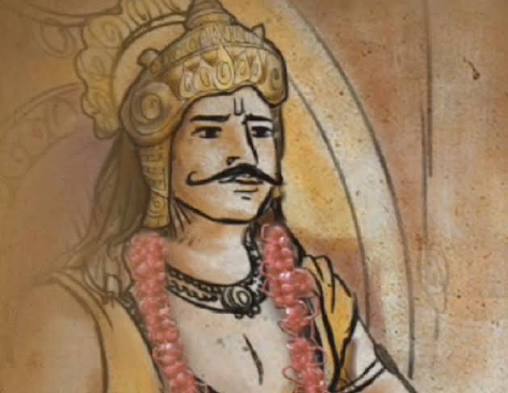
Harshavardhana
Warriors & Kings | c. 590 CE - c. 647 CE
"Harshavardhana, commonly known as Harsha, was one of the greatest rulers of ancient India who united much of northern India, promoted religion and learning, and presided over a golden period of cultural and intellectual development."
Born
c. 590 CEBirthplace
Thanesar (Sthanishvara), present-day Haryana, IndiaDied
c. 647 CEPlace of Death
Kannauj, Uttar Pradesh, India (traditionally associated)Nationality
IndianGender
MaleHarshavardhana Biography
Harshavardhana, popularly known as Harsha, was one of the most distinguished rulers of ancient India. He ruled during the seventh century CE and established a powerful empire that extended across much of northern India. Harsha is remembered not only as a successful military leader but also as a patron of education, literature, religion, and social welfare. His reign represents one of the most important periods in early medieval Indian history and is often regarded as a time of political stability and cultural prosperity.
After the decline of the Gupta Empire, northern India was fragmented into numerous kingdoms competing for power. Harsha emerged during this period of political uncertainty and succeeded in bringing large territories under a single administration. His leadership helped restore stability and encouraged cultural and intellectual growth throughout his empire.
Historical information about Harshavardhana comes from inscriptions, literary works, and accounts written by the famous Chinese traveler Xuanzang, who visited India during Harsha's reign. These sources provide valuable insights into the life and achievements of one of India's greatest monarchs.
Early Life and Family Background
Harshavardhana was born around 590 CE into the Pushyabhuti, or Vardhana, dynasty. His father was Prabhakaravardhana, a powerful ruler of Thanesar, a kingdom located in present-day Haryana. His mother was Queen Yashomati. Harsha belonged to a respected royal family that had gradually increased its influence in northern India.
He had an elder brother named Rajyavardhana and a sister named Rajyashri. The royal family played an important role in the political affairs of northern India, and Harsha received the education and training expected of a future ruler. From an early age, he studied administration, diplomacy, military strategy, religion, and literature.
The political environment in which Harsha grew up was complex. Numerous kingdoms competed for power, and alliances often changed rapidly. These circumstances helped shape Harsha's understanding of governance and warfare.
Political Crisis and Rise to Power
The turning point in Harsha's life came after the deaths of his father and brother. Following the death of Prabhakaravardhana, Rajyavardhana became ruler of the kingdom. However, political rivalries soon led to tragedy. Rajyavardhana was killed during a conflict involving neighboring rulers.
These events placed tremendous responsibility upon the young Harsha. At approximately sixteen years of age, he assumed leadership of the kingdom and began efforts to restore stability. One of his first concerns was ensuring the safety of his sister Rajyashri, who had faced serious difficulties following the political turmoil.
Harsha's successful handling of this crisis demonstrated remarkable maturity and leadership. His determination and abilities quickly earned him the loyalty of nobles, military commanders, and regional allies.
Establishment of the Harsha Empire
After securing his position, Harsha embarked upon a series of military and diplomatic campaigns aimed at strengthening his authority. Through a combination of warfare, alliances, and political negotiations, he gradually expanded his influence across northern India.
Over time, his empire extended across large regions including present-day Haryana, Punjab, Uttar Pradesh, Bihar, and parts of neighboring territories. Kannauj became one of the principal centers of his administration and emerged as an important political and cultural capital.
Harsha's success in unifying diverse regions made him one of the most powerful rulers in India during the seventh century. His empire provided political stability at a time when many areas experienced fragmentation and conflict.
Military Campaigns and Expansion
Harsha was an able military commander who understood the importance of maintaining a strong army. Throughout his reign, he conducted campaigns to secure strategic territories and protect the interests of his kingdom.
His military victories enabled him to extend his influence over many neighboring rulers. Several kingdoms accepted his authority while retaining local autonomy. This flexible approach allowed Harsha to govern extensive territories without creating excessive administrative burdens.
One of the notable episodes of his reign involved his southern campaign. Historical sources indicate that he encountered strong resistance from Pulakeshin II of the Chalukya Dynasty. Although Harsha achieved considerable success in northern India, he was unable to establish authority over the Deccan region.
Despite this setback, his empire remained among the most powerful states of the Indian subcontinent.
Administration and Governance
Harshavardhana was not merely a conqueror. He was also a capable administrator who emphasized justice, efficiency, and public welfare. His government functioned through a network of provincial and local officials responsible for maintaining order and implementing royal policies.
The administration collected taxes, supervised infrastructure, and supported economic activities. Local authorities retained certain powers, allowing regional traditions and customs to continue while remaining under imperial supervision.
Historical accounts describe Harsha as an energetic ruler who took a personal interest in governance. He frequently traveled throughout his empire to inspect conditions and address the concerns of his subjects.
This direct engagement strengthened the relationship between the ruler and the population and contributed to effective administration.
Economic Development and Prosperity
The stability established by Harsha encouraged economic growth. Agriculture remained the foundation of the economy, providing food and revenue for the kingdom. Fertile lands supported productive farming communities throughout the empire.
Trade and commerce also flourished. Merchants carried goods between different regions of India, while trade routes connected northern India with Central Asia and other distant areas.
Urban centers expanded as economic activity increased. Markets, workshops, and commercial centers contributed to prosperity and generated government revenue.
The combination of agricultural productivity and commercial growth strengthened the economic foundations of Harsha's empire.
Patron of Religion
Harshavardhana is particularly remembered for his religious tolerance and generosity. Although he initially followed Hindu traditions associated with his family, he later developed a strong interest in Buddhism.
Rather than favoring one religion exclusively, Harsha supported multiple faiths and encouraged peaceful coexistence among various religious communities. Hindus, Buddhists, and Jains received patronage during his reign.
Religious institutions often benefited from royal donations. Temples, monasteries, and educational centers received support that enabled them to continue their activities.
This policy of tolerance contributed to social harmony and reflected Harsha's vision of inclusive governance.
Relationship with Xuanzang
One of the most important sources of information about Harsha comes from Xuanzang, the famous Chinese Buddhist monk and traveler. Xuanzang visited India during Harsha's reign and spent several years studying Indian culture, religion, and education.
The Chinese scholar received a warm welcome at Harsha's court and documented many aspects of life within the empire. His writings describe a prosperous kingdom characterized by administrative efficiency, cultural achievement, and religious tolerance.
Xuanzang's accounts have become invaluable resources for historians seeking to understand early medieval India and the achievements of Harshavardhana.
Support for Education and Nalanda University
Harsha strongly supported learning and scholarship. Educational institutions flourished during his reign, and scholars received encouragement from the royal court.
The famous Nalanda University benefited from royal patronage and continued to attract students from various parts of Asia. Nalanda had already established itself as a major center of learning, and support from rulers such as Harsha contributed to its continued development.
Subjects studied at educational institutions included philosophy, religion, medicine, mathematics, astronomy, and literature. These centers played an essential role in preserving and advancing knowledge.
Harsha believed that intellectual development was vital for the prosperity and advancement of society.
Literary Contributions
Unlike many rulers, Harsha was not only a patron of literature but also an accomplished author. Several Sanskrit plays are
Comments & Tribute (0)