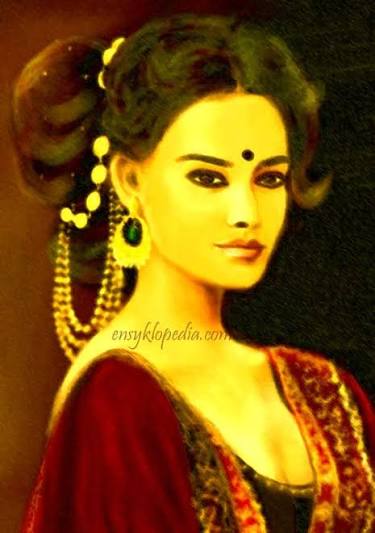
Devi-(Ashoka's-wife)
Ancient India | 302 BCE - 242 BCE
"Devi was the first wife of Emperor Ashoka and the mother of Mahendra and Sanghamitra, two important figures in the spread of Buddhism. She is remembered for her devotion to Buddhism and her connection with the early development of Sanchi."
Born
302 BCEBirthplace
Ujjayini (Ujjain), Avantirastra, Maurya Empire (Present-day Madhya Pradesh, India)Died
242 BCEPlace of Death
Vidisha Region, Maurya Empire (traditionally associated)Nationality
Maurya EmpireGender
FemaleDevi Biography
Devi, also known as Vedisa-Mahadevi and Sakyakumari, was the first wife of Emperor Ashoka and one of the most important women associated with the Mauryan Empire. Although she never became the chief empress of the empire, her influence on the development and spread of Buddhism was profound. She is best remembered as the mother of Mahendra and Sanghamitra, two prominent figures who played a major role in introducing Buddhism to Sri Lanka.
Devi occupies a unique position in Indian history because her life was closely connected with the transformation of Ashoka from a prince and military leader into one of the greatest rulers in world history. Her devotion to Buddhism and her association with important sites such as Vidisha and Sanchi ensured her lasting place in the religious and cultural heritage of India.
Through her family, her support of Buddhist institutions, and her influence on future generations, Devi contributed significantly to the growth of Buddhism beyond India's borders.
Early Life and Family Background
According to historical traditions preserved in Sri Lankan Buddhist chronicles, Devi was born around 302 BCE. She was the daughter of a wealthy merchant from Vidisha, one of the leading commercial centers of central India.
She is also referred to in some traditions as Vedisa-Mahadevi, a title connecting her to the city of Vidisha. Certain Buddhist sources further describe her as being associated with the Shakya lineage, the same clan from which Gautama Buddha originated.
Unlike many royal women of the time, Devi did not come from a ruling dynasty. Nevertheless, her intelligence, character, and devotion to Buddhist principles made her one of the most respected women of her era.
Her upbringing in a prosperous merchant family exposed her to trade, culture, and religious traditions that flourished in the region.
Meeting Ashoka
The story of Devi became closely linked with that of Ashoka during his early years as a prince. Before becoming emperor, Ashoka served as the governor or viceroy of Ujjain, one of the most important provinces of the Mauryan Empire.
During this period, he met Devi in the Vidisha region. Historical traditions portray their relationship as one based on mutual respect and affection rather than solely political considerations.
Their marriage differed from many royal alliances, which were often motivated by political objectives. The union between Ashoka and Devi reflected a more personal relationship, making her one of the most significant figures in Ashoka's early life.
The marriage connected the Mauryan prince to one of the most influential mercantile communities of central India.
Marriage and Family Life
Devi married Ashoka while he served in Ujjain. Their marriage produced two children who would later become some of the most important promoters of Buddhism in history.
Their son Mahendra became a Buddhist monk and missionary. Their daughter Sanghamitra became a Buddhist nun and spiritual leader. Together, these two children played a decisive role in the transmission of Buddhism to Sri Lanka.
Historical accounts depict Ashoka and Devi as maintaining a close relationship during their years together in central India.
The family remained deeply connected to Buddhist traditions that would later shape the religious landscape of South Asia.
Mother of Mahendra and Sanghamitra
One of Devi's most enduring contributions to history lies in her role as the mother of Mahendra and Sanghamitra. These two children became central figures in the spread of Buddhism beyond India.
Mahendra eventually traveled to Sri Lanka as a Buddhist missionary and successfully introduced Buddhist teachings to the island. Sanghamitra later followed and played a major role in establishing the order of Buddhist nuns there.
Their efforts transformed Sri Lanka into one of the most important centers of Buddhism in the world.
As their mother, Devi exerted a lasting influence on religious history through the values and teachings she passed on to her children.
Connection with Buddhism
Devi is widely remembered as a devoted follower of Buddhism. Historical traditions often portray her as an early adherent to Buddhist teachings before Ashoka himself became strongly associated with the religion.
Her faith reflected the growing influence of Buddhism in the regions of central India during the Mauryan period. She supported Buddhist monks, religious institutions, and sacred places associated with the teachings of the Buddha.
Through her commitment to Buddhist principles, she contributed to the development of religious institutions that served future generations.
Her devotion established her reputation as one of the important female patrons of early Buddhism.
Ashoka's Rise to Power
As Ashoka's political responsibilities increased, circumstances changed dramatically. Following events in the Mauryan royal court, Ashoka was eventually recalled to Pataliputra, the imperial capital.
Historical sources indicate that Devi did not accompany him permanently to the capital. Instead, she remained associated with Vidisha and central India.
Because she was the daughter of a merchant rather than a princess from a ruling dynasty, later court politics favored other royal marriages that carried greater political significance.
Despite this situation, Devi remained an important figure in Ashoka's life and continued to influence the future development of Buddhism.
Association with Sanchi
One of the most significant aspects of Devi's historical legacy is her association with Sanchi, one of the greatest Buddhist sites in India.
Historical traditions credit her with involvement in early Buddhist establishments in the region. Sanchi later became one of the most important centers of Buddhist architecture and pilgrimage.
The area's close connection to Vidisha and Devi may help explain why Ashoka later invested in major religious and architectural activities there.
Today, Sanchi is recognized as one of the most important monuments of Buddhist heritage and remains closely linked to the memory of Devi.
Patronage of Buddhist Institutions
Devi played an important role in supporting Buddhist institutions and encouraging religious activities. Through generosity and patronage, she contributed to the growth of Buddhist communities in central India.
Monasteries, teachers, and religious establishments benefited from support provided by individuals such as Devi who believed strongly in the teachings of the Buddha.
Her efforts helped create an environment in which Buddhism could flourish and expand into new regions.
These contributions strengthened her reputation as one of the notable women associated with early Buddhist history.
Influence on Ashoka's Legacy
Although historical records differ regarding the precise influence she exercised over Ashoka's religious development, her association with Buddhism and her role within his family were undoubtedly significant.
The fact that both Mahendra and Sanghamitra became leading figures in Buddhist missionary work reflects the spiritual environment in which they were raised.
As the first wife of Ashoka and mother of two major Buddhist leaders, Devi occupies an important place in the wider narrative of Buddhist expansion.
Her influence continued through her descendants and the religious institutions connected with her memory.
Character and Reputation
Historical traditions portray Devi as compassionate, intelligent, pious, and dedicated to religious principles. Unlike many royal figures remembered for military achievements or political authority, she is celebrated primarily for her contributions to culture and religion.
Her reputation has endured because of her role in nurturing a family that profoundly influenced Buddhist history.
She remains an example of how individuals outside formal political power can help shape the course of civilization.
Her life demonstrates the importance of faith, education, and moral conviction.
Legacy and Historical Importance
Devi's historical significance rests on several important achievements. She was the first wife of Ashoka, mother of Mahendra and Sanghamitra, a supporter of Buddhism, and a figure associated with Sanchi's early development.
Her contributions helped create conditions that enabled Buddhism to spread beyond India and become a major world religion. Through her children, her influence reached Sri Lanka and eventually many other parts of Asia.
She also represents an important example of the role that women played in shaping the religious and cultural history of ancient India.
Today, historians and Buddhists alike remember Devi as a respected queen and an important contributor to Buddhist civilization.
Interesting Facts About Devi
- Devi was the first wife of Emperor Ashoka.
- She was known as Vedisa-Mahadevi.
- She came from a merchant family in Vidisha.
- She was the mother of Mahendra and Sanghamitra.
- Both of her children helped spread Buddhism to Sri Lanka.
- She is closely associated with Sanchi.
- She was an important supporter of Buddhism.
- She remains one of the best-known women linked to the Mauryan Empire.
Frequently Asked Questions (FAQs)
Who was Devi?
Devi was the first wife of Emperor Ashoka and the mother of Mahendra and Sanghamitra.
Why is Devi important in history?
She played an important role in early Buddhism and was the mother of two major Buddhist missionaries.
What was Devi's connection to Buddhism?
She was a devoted follower of Buddhism and supported Buddhist institutions.
Who were Devi's children?
Her children were Mahendra and Sanghamitra, both of whom helped spread Buddhism to Sri Lanka.
What is Devi remembered for today?
She is remembered as Ashoka's first wife, a supporter of Buddhism, and an important figure associated with Sanchi.Conclusion
Devi occupies a unique and respected place in Indian history. As the first wife of Ashoka and the mother of Mahendra and Sanghamitra, she helped shape the future of Buddhism in India and beyond. Her devotion to religious principles, support for Buddhist institutions, and connection with Sanchi ensured her enduring legacy. Today, she is remembered as one of the most influential women of the Mauryan era and a key figure in the story of Buddhist civilization.
Comments & Tribute (0)