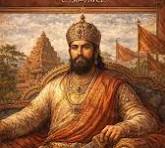
Devapala
Warriors & Kings | c. 790 CE (Approximate) - c. 850 CE (Approximate)
"Devapala was one of the greatest emperors of the Pala Dynasty who expanded the empire to its maximum extent, promoted Buddhism, supported major universities, and established the Palas as the dominant power of northern India."
Born
c. 790 CE (Approximate)Birthplace
Pala Empire, Bengal Region, Ancient IndiaDied
c. 850 CE (Approximate)Place of Death
Pala Empire, Ancient IndiaNationality
Ancient IndianGender
MaleDevapala Biography
Devapala was one of the most powerful rulers of the Pala Dynasty and is widely regarded as the greatest emperor of the Pala Empire. His reign marked the height of Pala political authority, military strength, and cultural influence. Under his leadership, the empire expanded significantly and became one of the most dominant powers in the Indian subcontinent during the ninth century.
As the successor of the legendary Dharmapala, Devapala inherited a vast and prosperous empire. However, he did not merely preserve his father's achievements. Through successful military campaigns, effective administration, and generous patronage of religion and education, he elevated the Pala Empire to unprecedented heights.
Historians consider Devapala one of the most important rulers of medieval India. His reign represents the golden age of the Pala Dynasty, a period when Bengal emerged as an influential center of political power, Buddhist scholarship, international trade, and cultural development.
Early Life and Family Background
Devapala was born into the illustrious Pala royal family during the late eighth century CE. He was the son of Emperor Dharmapala, one of the greatest rulers of the Pala Dynasty, and Queen Rannadevi, who is believed to have belonged to the Rashtrakuta royal family.
Growing up within the imperial court, Devapala received extensive training in governance, military strategy, diplomacy, administration, and religion. His childhood was spent during a period of remarkable expansion and prosperity, giving him firsthand exposure to the responsibilities of rulership.
As the heir to one of the largest kingdoms in India, he learned the importance of maintaining political stability while continuing imperial expansion. These experiences prepared him for his future role as emperor.
Accession to the Throne
Following the death of Dharmapala around 810 CE, Devapala ascended the throne of the Pala Empire. He inherited a vast territory that stretched across Bengal, Bihar, and important regions of northern India.
Unlike many successors who struggle to maintain the achievements of their predecessors, Devapala demonstrated remarkable ability from the beginning of his reign. He strengthened the army, consolidated political authority, and pursued an ambitious policy of expansion.
His accession marked the beginning of the most powerful phase in Pala history and transformed the empire into an unrivaled force in eastern India.
Expansion of the Pala Empire
Devapala is best remembered for expanding the Pala Empire to its greatest territorial extent. Through military campaigns and diplomatic initiatives, he significantly increased the influence and authority of the dynasty.
Historical inscriptions indicate that his armies campaigned successfully in Assam, Odisha, and several northern regions. These victories expanded the political reach of the empire and increased its prestige among contemporary rulers.
At its height under Devapala, the Pala Empire became one of the largest and strongest states in India. Its influence extended across vast territories and made it the dominant power of eastern and northern India.
The expansion strengthened trade routes, increased state revenues, and reinforced the emperor's position as one of the leading monarchs of his age.
Military Campaigns and Conquests
Devapala possessed considerable military talent and led some of the most successful campaigns in the history of the Pala Dynasty. He inherited a powerful army and used it effectively to expand and protect the empire.
According to inscriptions, his forces achieved victories against Utkala (present-day Odisha), Pragjyotisha (Assam), and other neighboring regions. His military campaigns extended Pala authority far beyond its original territorial boundaries.
Several contemporary and later sources praise his military achievements and describe him as a courageous and capable commander. His campaigns brought prestige, wealth, and strategic advantages to the empire.
By successfully projecting military power across a wide geographical area, Devapala established the Palas as one of the foremost dynasties of medieval India.
Conflict with Rival Kingdoms
Like his father Dharmapala, Devapala had to confront powerful rival dynasties. The Gurjara-Pratiharas and the Rashtrakutas remained important competitors for influence in northern India.
The political environment of the period was dominated by constant competition among these major powers. Devapala successfully maintained Pala authority despite these challenges.
Historical evidence suggests that he was able to preserve the empire's position and prevent rival kingdoms from undermining Pala influence.
His diplomatic skill and military strength ensured the continued prominence of the empire throughout his reign.
The Height of Pala Power
Under Devapala, the Pala Empire reached its greatest level of political and military strength. Historians frequently regard his reign as the peak of Pala imperial authority.
The empire controlled extensive territories and maintained influence over neighboring regions. Trade flourished, educational institutions expanded, and the prestige of the dynasty increased significantly.
The success achieved during this period established Bengal as one of the most important political and cultural centers of South Asia.
The achievements of Devapala ensured that his reign would be remembered as the golden age of the Pala Empire.
Administration and Governance
Devapala was not only a conqueror but also an effective administrator. Governing such a large empire required efficient institutions and capable officials.
The empire was administered through provincial governors and local administrators who supervised taxation, law enforcement, agriculture, and public welfare. These officials operated under imperial authority while maintaining local stability.
The emperor's government promoted economic prosperity by maintaining law and order, encouraging agricultural production, and supporting trade.
His administrative policies contributed significantly to the long-term success and stability of the Pala Empire.
Patron of Buddhism
Devapala continued the strong Buddhist traditions established by earlier Pala rulers. He became one of the greatest patrons of Buddhism in medieval India and strengthened the empire's reputation as a center of Buddhist learning.
Monasteries, scholars, and religious institutions received royal patronage under his rule. His support enabled Buddhist education to flourish and encouraged intellectual exchange across Asia.
As a result, the Pala Empire became one of the most important centers of Buddhist culture in the world during the ninth century.
His religious patronage enhanced both the prestige of Buddhism and the reputation of the dynasty.
Support for Nalanda University
One of Devapala's most significant achievements was his patronage of Nalanda University. Already famous throughout Asia, Nalanda continued to flourish under Pala support.
Students and scholars from India, Tibet, China, and Southeast Asia visited the university to pursue advanced learning in philosophy, religion, medicine, mathematics, and other disciplines.
Devapala's support ensured that Nalanda remained among the finest educational institutions of the medieval world.
His commitment to scholarship contributed greatly to the intellectual development of the region.
International Relations and Buddhist Networks
The influence of the Pala Empire extended beyond India through religious and cultural connections. Devapala maintained diplomatic relations with foreign rulers and supported international Buddhist networks.
Historical records indicate contacts with Buddhist communities outside India, enhancing cultural exchange and mutual cooperation.
These relationships strengthened the empire's international reputation and promoted the spread of Indian religious and intellectual traditions.
Through diplomatic and cultural engagement, Devapala increased the prestige of the Pala state throughout Asia.
Economic Prosperity
The reign of Devapala witnessed considerable economic prosperity. Fertile agricultural lands generated substantial revenue, while trade connected the empire with neighboring regions.
Merchants transported textiles, agricultural products, luxury goods, metals, and various commodities through commercial networks linking eastern India with other regions.
The prosperity generated by commerce supported educational institutions, religious centers, and administrative infrastructure.
Economic growth strengthened the foundations of imperial power and contributed significantly to the success of the dynasty.
Art, Culture, and Architecture
The Pala period is celebrated for its artistic and cultural achievements. Under Devapala's patronage, architecture, sculpture, painting, and manuscript illustration flourished.
The distinctive Pala artistic style became influential across South and Southeast Asia. Buddhist institutions served as centers of artistic production and cultural creativity.
The emperor's support for culture contributed to the development of one of the richest artistic traditions in Indian history.
These achievements continue to be admired by scholars and historians today.
Legacy and Historical Importance
Devapala occupies a prominent place in Indian history as the greatest ruler of the Pala Dynasty. He inherited a powerful empire and transformed it into one of the most influential states of medieval India.
His military conquests expanded imperial borders, his administrative policies strengthened governance, and his patronage of Buddhism enhanced cultural and intellectual life.
Historians widely regard his reign as the pinnacle of Pala power and prosperity. The institutions he supported continued to influence Asian civilization long after his death.
His achievements ensured that the Pala Empire would remain one of the most respected dynasties in Indian history.
Interesting Facts About Devapala
- Devapala was the son and successor of the famous Pala ruler Dharmapala.
- His reign is considered the golden age of the Pala Empire.
- He expanded the empire to its maximum territorial extent.
- He was a strong patron of Buddhism and Buddhist scholarship.
- Nalanda University flourished during his reign.
- His military campaigns reached Assam and Odisha.
- He maintained one of the most powerful armies of his time.
- He is often regarded as the greatest emperor of the Pala Dynasty.
Frequently Asked Questions (FAQs)
Who was Devapala?
Devapala was the third emperor of the Pala Dynasty and one of the greatest rulers of medieval India.
What was Devapala famous for?
He was famous for expanding the Pala Empire, supporting Buddhism, and promoting education and culture.
Which dynasty did Devapala belong to?
Devapala belonged to the Pala Dynasty.
Did Devapala support Buddhism?
Yes, he was one of the greatest patrons of Buddhism and Buddhist institutions in medieval India.
Why is Devapala important in Indian history?
He brought the Pala Empire to the height of its power and prosperity and contributed significantly to Buddhist learning and culture.
Video Biography
Watch the complete life story of Devapala, including his early life, military campaigns, expansion of the Pala Empire, support for Buddhism, educational patronage, and historical legacy.
Conclusion
Devapala was one of the greatest emperors in Indian history and the most powerful ruler of the Pala Dynasty. Through military victories, wise administration, support for education, and patronage of Buddhism, he transformed the Pala Empire into a dominant force in medieval India. His achievements left a lasting impact on politics, culture, and religion, ensuring his place among the most respected rulers of the Indian subcontinent.
Comments & Tribute (0)