Chandragupta Maurya
Ancient India | c. 340 BCE - c. 297 BCE
"Chandragupta Maurya was the founder of the Maurya Empire and one of the greatest rulers in Indian history. Guided by his mentor Chanakya, he overthrew the Nanda Dynasty, defeated foreign powers, and established the first large-scale empire in the Indian subcontinent, laying the foundation for a golden era of administration and governance."
Born
c. 340 BCEBirthplace
Magadha Region, Ancient India (Present-day Bihar, India)Died
c. 297 BCEPlace of Death
Shravanabelagola, Karnataka, Ancient IndiaNationality
Mauryan (Ancient Indian)Gender
MaleChandragupta Maurya Biography
Chandragupta Maurya was one of the most remarkable rulers in Indian history and the founder of the Maurya Empire, the first great empire to unify large parts of the Indian subcontinent. Through determination, military brilliance, and strategic guidance from his mentor Chanakya, he established a powerful kingdom that transformed the political landscape of ancient India.
Early Life
Chandragupta Maurya was born around 340 BCE. Although details about his early life remain uncertain, historical traditions suggest that he came from a modest background before rising to power.
His talents were recognized by the renowned scholar and strategist Chanakya (Kautilya), who became his mentor and played a crucial role in shaping his future.
Mentorship of Chanakya
Chanakya, a brilliant teacher at Takshashila, saw great potential in Chandragupta. According to historical traditions, Chanakya was determined to overthrow the powerful Nanda Dynasty that ruled Magadha.
Under Chanakya's guidance, Chandragupta received training in warfare, diplomacy, administration, and statecraft. This education prepared him to become one of the greatest emperors of ancient India.
Overthrow of the Nanda Dynasty
The kingdom of Magadha was then ruled by the Nanda Dynasty, which possessed immense wealth and a large army. Chandragupta and Chanakya organized military campaigns against the Nandas.
After a series of battles and strategic operations, Chandragupta successfully defeated the Nanda ruler and captured Pataliputra, the capital of Magadha.
This victory marked the beginning of the Maurya Empire and a new era in Indian history.
Foundation of the Maurya Empire
Following his victory, Chandragupta established the Maurya Empire around 322 BCE. The empire rapidly expanded and became one of the largest political entities ever seen in ancient India.
His rule brought stability to regions that had previously been divided among numerous kingdoms and republics.
Conflict with the Greek Successors
After Alexander the Great's death, several Greek-controlled territories remained in northwestern India. Chandragupta launched campaigns to bring these regions under his control.
He eventually confronted Seleucus I Nicator, one of Alexander's successors. After a conflict between the two rulers, a peace treaty was concluded.
Under the agreement, Chandragupta gained territories in present-day Afghanistan, Pakistan, and northwestern India, further strengthening his empire.
Expansion of the Empire
Through military victories and diplomatic efforts, Chandragupta extended his authority over vast areas of the Indian subcontinent.
The Maurya Empire eventually stretched from present-day Afghanistan in the northwest to Bengal in the east and deep into central India.
This extensive territory made the Mauryan state one of the largest empires of the ancient world.
Administration and Governance
Chandragupta Maurya established an efficient and highly organized administrative system. With Chanakya's guidance, he developed centralized governance that emphasized law, order, taxation, and public welfare.
The administration included:
- Provincial governors and local officials.
- A well-organized taxation system.
- A strong intelligence and espionage network.
- Regulation of trade and commerce.
- Maintenance of roads and public infrastructure.
Many aspects of Mauryan administration are described in Chanakya's famous treatise, the Arthashastra.
Military Strength
Chandragupta maintained one of the largest armies in the ancient world. Historical accounts indicate that his military included infantry, cavalry, chariots, and war elephants.
This powerful force enabled him to defend the empire and maintain stability across his vast territories.
Economic Development
The Maurya Empire flourished economically under Chandragupta's rule. Agriculture, trade, handicrafts, and commerce expanded significantly.
Strategic trade routes connected different parts of the empire, promoting prosperity and cultural exchange.
Relationship with Megasthenes
The Greek ambassador Megasthenes visited Chandragupta's court at Pataliputra. He documented his observations in a work known as Indica.
These accounts provide valuable insights into the administration, economy, society, and culture of the Mauryan Empire.
Conversion to Jainism
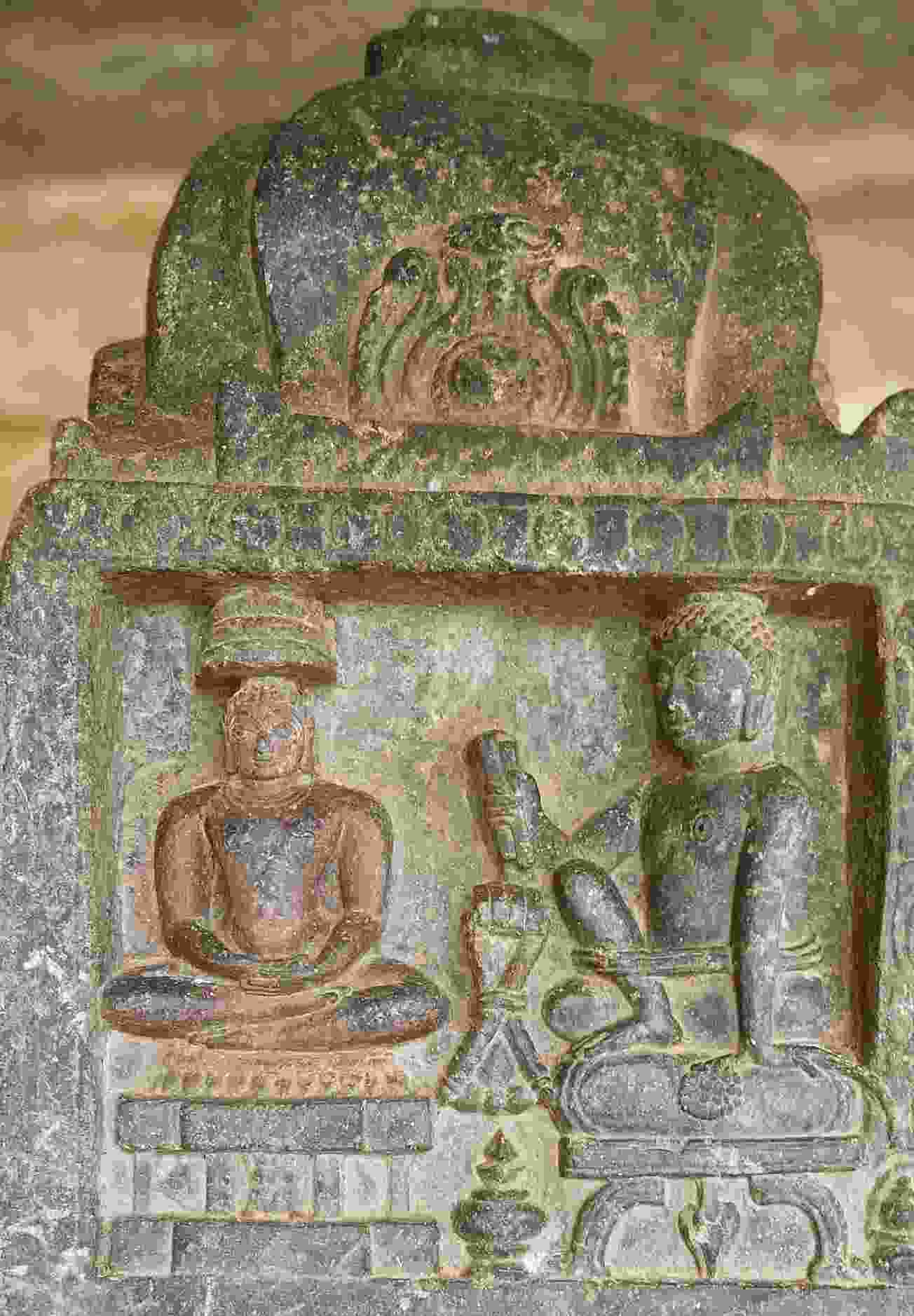
According to Jain traditions, Chandragupta later embraced Jainism under the influence of the Jain monk Bhadrabahu.
He is believed to have renounced his throne in favor of his son Bindusara and traveled to Shravanabelagola in Karnataka.
There he devoted himself to spiritual pursuits and religious practices.
Death
Chandragupta Maurya is believed to have died around 297 BCE at Shravanabelagola. Jain traditions state that he observed the practice of Sallekhana, a ritual fast undertaken at the end of life.
Legacy
Chandragupta Maurya is remembered as the founder of one of the greatest empires in Indian history. His achievements in state-building, military conquest, and administration created a strong foundation for future Mauryan rulers.
His grandson, Emperor Ashoka, would later expand the empire further and become one of the most celebrated rulers in world history.
Historical Significance
Chandragupta's rise from humble beginnings to emperor remains one of the most inspiring stories in history. His success demonstrated the importance of leadership, vision, and strategic planning.
The Maurya Empire marked the beginning of large-scale political unification in India and influenced governance for centuries.
Honours and Recognition
- Founder of the Maurya Empire.
- First ruler to unify large parts of the Indian subcontinent.
- Disciple and political ally of Chanakya.
- Defeated the Nanda Dynasty and expanded Magadha.
- Recognized as one of the greatest emperors of Ancient India.
Conclusion
Chandragupta Maurya transformed the history of India by establishing a vast and powerful empire. Through military brilliance, strong administration, and visionary leadership, he laid the foundations of one of the greatest dynasties in Indian history. His achievements continue to be remembered as a milestone in the political and cultural development of ancient India.
Comments & Tribute (0)