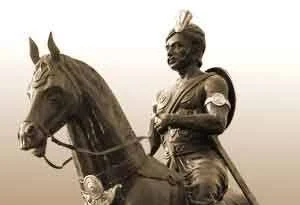
Buxi Jagabandhu
Freedom Fighters | 1773 - 1829
"Buxi Jagabandhu was a legendary freedom fighter from Odisha who led the historic Paika Rebellion of 1817 against the British East India Company. As the commander of the Khurda Kingdom, he became one of the earliest heroes of India's freedom struggle."
Born
1773Birthplace
Gadarodanga (Gadarondoga), Puri, Odisha, IndiaDied
1829Place of Death
Cuttack, Odisha, IndiaNationality
IndianGender
MaleBuxi Jagabandhu Biography
Buxi Jagabandhu was one of the greatest freedom fighters in the history of Odisha and among the earliest revolutionaries to challenge British rule in India. He is remembered as the heroic leader of the Paika Rebellion of 1817, a major uprising against the British East India Company that took place decades before the Revolt of 1857.
Known for his courage, leadership, patriotism, and military brilliance, Buxi Jagabandhu became a symbol of resistance against colonial oppression. His struggle inspired future generations of freedom fighters and established him as one of the earliest champions of Indian independence.
For the people of Odisha, Buxi Jagabandhu remains a legendary figure whose life represents bravery, sacrifice, and unwavering commitment to justice and national dignity.
Early Life and Family Background
Buxi Jagabandhu was born in 1773 in Gadarodanga near Puri in present-day Odisha. He belonged to an aristocratic Khandayat family that traditionally served the rulers of the Khurda Kingdom.
His full name was Jagabandhu Bidyadhar Mohapatra Bhramarbar Ray. The title "Buxi" was inherited from his ancestors and referred to the commander of the king's military forces. This prestigious position ranked second only to the king in terms of military authority.
From childhood, Jagabandhu received training in warfare, administration, leadership, and traditional knowledge. His upbringing prepared him for the responsibilities he would later carry as a military commander and defender of his homeland.
His family enjoyed land grants and privileges provided by the Khurda kings, ensuring economic stability and social influence.
Rise as Military Commander
As he matured, Jagabandhu proved himself to be an excellent administrator and warrior. His leadership qualities earned him widespread respect among soldiers, nobles, and ordinary citizens alike.
The title of Buxi gave him authority over the military forces of the Khurda Kingdom. In this role, he became responsible for maintaining security, organizing troops, and protecting the sovereignty of the kingdom.
His military training, courage, and strategic thinking made him one of the most capable commanders of his time.
During a period of increasing British interference in Odisha, these qualities would become crucial for the defense of the kingdom.
The Political Situation in Odisha
By the beginning of the nineteenth century, the British East India Company had significantly expanded its influence across India. Following military victories in various regions, the Company sought greater control over Odisha and its political institutions.
The Khurda Kingdom faced increasing pressure from British administrators. Traditional rights, privileges, and local systems of governance were gradually weakened.
Revenue policies imposed by the British created widespread dissatisfaction among landholders, soldiers, peasants, and tribal communities.
These developments generated deep resentment and created conditions that would eventually lead to open rebellion.
Loss of Family Estates
One of the major turning points in Buxi Jagabandhu's life occurred when British revenue policies deprived him of his hereditary estates and privileges.
The British administration confiscated or altered traditional land arrangements that had supported military families for generations. As a result, Jagabandhu suffered significant financial losses.
However, his struggle was not merely personal. Similar policies affected many others throughout Odisha, including soldiers, landowners, and farmers.
The injustice experienced by these groups strengthened opposition to British rule and increased support for resistance.
The Paika Community
The Paikas were a traditional warrior class in Odisha who served as soldiers under local rulers. In return for military service, they were granted land and special privileges.
British administrative reforms disrupted this system. Many Paikas lost their traditional rights and livelihoods, creating widespread anger within the community.
As one of their most respected leaders, Buxi Jagabandhu became the natural person to organize and guide resistance against colonial policies.
The support of the Paikas would become the foundation of the rebellion that followed.
The Paika Rebellion of 1817
The most significant event in Buxi Jagabandhu's life was the Paika Rebellion of 1817. Widely regarded as one of the earliest armed uprisings against British rule, the rebellion involved Paikas, tribal groups, peasants, and ordinary citizens.
Jagabandhu emerged as the principal leader of the movement. Under his leadership, rebel forces challenged British authority across several parts of Odisha.
The rebellion represented a united effort by various sections of society who were dissatisfied with colonial administration, taxation policies, and economic exploitation.
It soon became one of the most important anti-colonial movements of the early nineteenth century.
Causes of the Rebellion
Several factors contributed to the outbreak of the Paika Rebellion. High taxes imposed by the British created hardship for farmers and landowners. Traditional military land grants were withdrawn, affecting the Paikas directly.
Restrictions on salt production and trade hurt local economic interests. In addition, British interference in traditional institutions generated widespread resentment.
These grievances united diverse communities in opposition to colonial rule.
Buxi Jagabandhu successfully transformed public dissatisfaction into organized resistance.
Leadership During the Uprising
As the rebellion spread, Jagabandhu displayed remarkable leadership and military skill. He coordinated forces drawn from different regions and social groups.
One of his most notable achievements was mobilizing tribal communities, particularly the Kandhas, to join the movement. Their support expanded the scale of resistance.
Rebel forces attacked British establishments, burned government buildings, seized treasury resources, and challenged Company rule.
Jagabandhu's leadership became the driving force behind the movement's rapid expansion.
Major Events of the Revolt
The rebellion began in the Banapur and Khurda regions before spreading to other districts. Government offices were attacked, revenue records were destroyed, and symbols of British authority were challenged.
The uprising alarmed colonial officials because it demonstrated the depth of opposition to British policies in Odisha.
For a time, rebel forces successfully disrupted administrative control in several areas.
The widespread participation of ordinary people highlighted the popular nature of the movement.
British Suppression
Despite early successes, the rebellion faced enormous challenges. British forces possessed superior weapons, larger resources, and better logistical support.
The colonial government responded aggressively by deploying military forces and imposing strict measures to restore control.
Although many rebel groups fought courageously, they struggled against the military capabilities of the East India Company.
Gradually, British forces regained control over the affected regions and suppressed organized resistance.
Years in Hiding
Following the suppression of the rebellion, Buxi Jagabandhu avoided capture for several years. He moved through forests and remote areas while continuing to inspire resistance.
His ability to remain beyond the reach of British authorities enhanced his reputation as a fearless revolutionary leader.
Many local communities provided support and protection despite the risks involved.
During these years, he became a legendary figure among the people of Odisha.
Surrender and Imprisonment
In 1825, after years of resistance, Buxi Jagabandhu surrendered under negotiated terms. British authorities subsequently imprisoned him.
Although confined, his influence on the freedom movement remained strong. His role in the rebellion had already secured his place in history.
He remained committed to the cause for which he had fought and endured imprisonment with dignity.
His courage during adversity further strengthened his legacy.
Death and Martyrdom
Buxi Jagabandhu passed away in 1829 while under British custody. His death marked the end of an extraordinary life devoted to justice, freedom, and resistance against oppression.
Although he did not witness India's independence, his sacrifices laid the foundations for future freedom movements.
Generations of patriots drew inspiration from his example and continued the struggle against colonial rule.
His death transformed him into one of Odisha's most revered historical heroes.
Legacy and Historical Importance
Buxi Jagabandhu is widely recognized as one of India's earliest freedom fighters. The Paika Rebellion he led is often regarded as a precursor to later national movements against British rule.
His leadership demonstrated that resistance to colonialism existed long before the more widely known uprisings of the nineteenth century.
Educational institutions, roads, public monuments, and cultural programs continue to honor his legacy. The famous BJB College in Bhubaneswar was named after him.
Today, he remains a symbol of Odisha's pride and India's enduring struggle for freedom.
Interesting Facts About Buxi Jagabandhu
- Buxi was the military commander of the Khurda Kingdom.
- He led the historic Paika Rebellion of 1817.
- He is considered one of India's earliest freedom fighters.
- His family traditionally served the kings of Khurda.
- British revenue policies deprived him of his hereditary estates.
- He successfully united Paikas, tribal communities, and farmers.
- He remained hidden from British authorities for several years.
- BJB College in Bhubaneswar is named in his honor.
Frequently Asked Questions (FAQs)
Who was Buxi Jagabandhu?
Buxi Jagabandhu was a freedom fighter from Odisha who led the Paika Rebellion of 1817 against British rule.
Why is Buxi Jagabandhu famous?
He is famous for leading one of India's earliest anti-British uprisings and inspiring resistance against colonial rule.
What was the Paika Rebellion?
The Paika Rebellion was an armed uprising in Odisha in 1817 led by Buxi Jagabandhu against the British East India Company.
When did Buxi Jagabandhu die?
He died in 1829 while under British custody.
Why is Buxi Jagabandhu important in Indian history?
He is regarded as one of the earliest freedom fighters and a pioneer of India's anti-colonial resistance movement.
Conclusion
Buxi Jagabandhu remains one of the greatest heroes of Odisha and an important figure in India's freedom struggle. Through his courage, military leadership, and unwavering commitment to justice, he challenged one of the world's most powerful colonial forces. His leadership of the Paika Rebellion of 1817 ensured his place among the pioneers of India's quest for freedom. Even today, his life continues to inspire those who value patriotism, sacrifice, and the defense of national dignity.
Comments & Tribute (0)