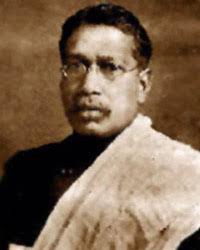
Bipin Chandra Pal
Freedom Fighters | 07 November 1858 - 20 May 1932
"Bipin Chandra Pal was one of the most influential nationalist leaders of India's freedom struggle. A prominent member of the famous Lal-Bal-Pal trio, he played a leading role in promoting the Swadeshi Movement, national education, and self-rule, helping awaken political consciousness across India."
Born
07 November 1858Birthplace
Poil Village, Habiganj District, Sylhet, Bengal Presidency, British India (Present-day Bangladesh)Died
20 May 1932Place of Death
Calcutta, Bengal Presidency, British India (Present-day Kolkata, West Bengal, India)Nationality
IndianGender
MaleBipin Chandra Pal Biography
Bipin Chandra Pal was one of the foremost leaders of India's freedom struggle and a pioneering advocate of nationalism. Renowned for his powerful speeches, writings, and political activism, he played a crucial role in shaping the early independence movement. As a member of the famous Lal-Bal-Pal trio, he inspired millions of Indians to demand self-rule and resist British colonial domination.
Early Life and Family
Bipin Chandra Pal was born on 7 November 1858 in Poil Village, Sylhet District, Bengal Presidency. He was born into a well-educated Bengali Hindu family. His father, Ramchandra Pal, was a scholar and government employee who valued education and learning.
From an early age, Pal displayed intellectual curiosity and a keen interest in literature, social issues, and politics. These qualities later helped him emerge as one of the leading voices of Indian nationalism.
Education
Pal received his early education in Sylhet and later attended Presidency College in Calcutta. Although he could not complete his formal education due to financial difficulties, he continued learning independently through extensive reading and study.
His strong command of language and deep understanding of political thought contributed significantly to his success as a writer and public speaker.
Early Career
Bipin Chandra Pal worked as a teacher, librarian, and journalist before entering active politics. During this period, he developed an interest in social reform and nationalism.
He actively participated in movements that promoted education, social progress, and political awareness among Indians.
Entry into the Nationalist Movement
Pal joined the Indian National Congress and soon became one of the most prominent advocates of national self-rule. He believed that Indians should depend on their own strength rather than seek gradual reforms from the British government.
His speeches encouraged people to develop self-confidence, national pride, and a spirit of resistance against colonial rule.
The Lal-Bal-Pal Trio
Bipin Chandra Pal became nationally famous as one of the members of the legendary Lal-Bal-Pal trio:
- Lala Lajpat Rai of Punjab
- Bal Gangadhar Tilak of Maharashtra
- Bipin Chandra Pal of Bengal
Together, these leaders represented a more assertive nationalist approach and significantly strengthened India's freedom movement during the early twentieth century.
Role in the Swadeshi Movement
Bipin Chandra Pal was one of the principal leaders of the Swadeshi Movement that emerged in response to the Partition of Bengal in 1905.
He urged Indians to boycott British goods and support indigenous industries. He believed that economic self-reliance was essential for achieving political freedom.
The Swadeshi Movement became a major turning point in India's struggle for independence and helped spread nationalist ideas throughout the country.
Advocate of National Education
Pal strongly supported the development of a national education system that reflected Indian values, culture, and aspirations.
He believed that education should create responsible citizens who were capable of contributing to the nation's progress and independence.
His educational philosophy influenced several institutions and reform movements across India.
Journalism and Writing
Bipin Chandra Pal was an accomplished journalist and writer. He used newspapers, magazines, and books to spread nationalist thought and encourage public participation in political affairs.
Through his writings, he criticized colonial policies and advocated self-government, social reform, and economic independence.
His powerful articles and editorials helped shape public opinion during a crucial period in India's history.
Political Ideology
Pal believed that true freedom required both political independence and social transformation. He advocated national unity, individual liberty, self-reliance, and democratic values.
While he respected constitutional methods, he also encouraged strong public action against injustice and oppression.
His ideas contributed significantly to the development of modern Indian nationalism.
Contribution to Social Reform
Besides his political activities, Pal supported various social reform initiatives. He advocated women's education, social equality, and progressive reforms within Indian society.
He believed that a strong and enlightened society was necessary for building a free and prosperous nation.
Later Years
In his later years, Bipin Chandra Pal gradually reduced his involvement in active politics but continued to write and speak on national issues.
His intellectual contributions remained influential among political thinkers, reformers, and freedom fighters across India.
Death
Bipin Chandra Pal passed away on 20 May 1932 in Calcutta. His death marked the end of an important chapter in India's nationalist movement, but his ideas continued to inspire future generations.
Legacy
Bipin Chandra Pal is remembered as one of the architects of Indian nationalism. His contributions to the Swadeshi Movement, political awakening, and freedom struggle helped lay the groundwork for India's eventual independence.
His speeches, writings, and leadership inspired countless Indians to believe in the ideals of self-rule and national dignity.
Honours and Recognition
- Recognized as one of the leading nationalist leaders of the Indian independence movement.
- Remembered as a key member of the famous Lal-Bal-Pal trio.
- Played a major role in the Swadeshi and National Education movements.
- Respected for his contributions as a journalist, writer, and political thinker.
- Numerous institutions and public places honor his legacy.
Conclusion
Bipin Chandra Pal dedicated his life to awakening national consciousness and promoting India's struggle for self-rule. Through his leadership, powerful writings, and unwavering commitment to freedom, he became one of the most influential figures of the Indian nationalist movement. His legacy continues to inspire generations with the values of patriotism, self-reliance, and national unity.
Comments & Tribute (1)