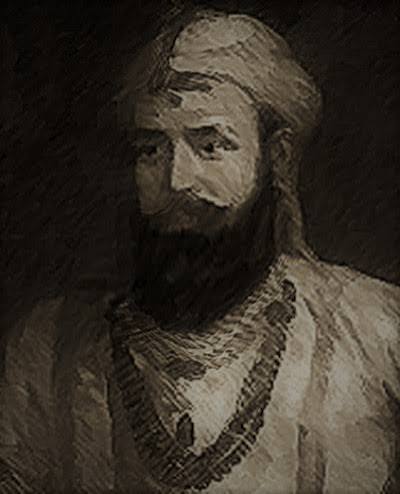
Bimbisara
Ancient India | c. 558 BCE - c. 491 BCE
"Bimbisara was one of the most influential rulers of ancient India and a prominent king of the Haryanka Dynasty. He transformed Magadha into a powerful kingdom through military conquests, strategic alliances, and efficient administration. He is also remembered as an important patron of Gautama Buddha and an early supporter of Buddhism."
Born
c. 558 BCEBirthplace
Magadha Kingdom, Ancient India (Present-day Bihar, India)Died
c. 491 BCEPlace of Death
Rajagriha (Rajgir), Magadha Kingdom (Present-day Bihar, India)Nationality
Magadhan (Ancient Indian)Gender
MaleBimbisara Biography
Bimbisara was one of the most important rulers of ancient India and a prominent king of the Haryanka Dynasty. He is credited with transforming the kingdom of Magadha into one of the most powerful states in northern India. Through military success, diplomatic alliances, and effective administration, Bimbisara laid the foundation for the future rise of the Mauryan Empire. He is also remembered for his close association with Gautama Buddha and his support for Buddhism.
Early Life
Bimbisara was born around 558 BCE into the royal family of the Haryanka Dynasty. According to historical and Buddhist sources, he ascended the throne of Magadha at a young age, possibly around fifteen years old.
From an early age, he displayed remarkable leadership abilities, political intelligence, and an ambition to expand his kingdom.
Accession to the Throne
Bimbisara became king of Magadha during a period when several powerful kingdoms and republics existed across northern India. His capital was located at Rajagriha (Rajgir), a strategically important city surrounded by hills.
Upon assuming power, he focused on strengthening the administration and expanding the territorial influence of Magadha.
Expansion of the Magadha Kingdom
Bimbisara significantly expanded the kingdom through both military campaigns and diplomatic policies. One of his most important military achievements was the conquest of Anga, a prosperous kingdom located in eastern India.
The conquest of Anga increased Magadha's economic resources and provided access to important trade routes. This victory strengthened Magadha's position among the major powers of ancient India.
Diplomatic Alliances
Bimbisara was known for using diplomacy alongside military strength. He formed alliances through strategic marriages with royal families of neighboring states.
- Marriage alliance with the kingdom of Kosala.
- Marriage alliance with the Licchavi republic.
- Marriage alliance with the Madra kingdom.
These diplomatic relationships helped maintain peace and enhanced Magadha's political influence throughout northern India.
Administration and Governance
Bimbisara established an efficient administrative system that improved governance across his kingdom. He appointed capable officials to manage various departments and ensured proper collection of revenue.
His administration encouraged agricultural growth, trade, commerce, and infrastructure development. These policies contributed significantly to the prosperity of Magadha.
Association with Gautama Buddha
Bimbisara is famous for his association with Gautama Buddha. According to Buddhist traditions, he met Buddha before and after Buddha's enlightenment and became one of his earliest royal supporters.
Impressed by Buddha's teachings, Bimbisara donated the famous Veluvana Monastery near Rajagriha to the Buddhist community. This monastery became one of the earliest Buddhist centers.
His patronage played an important role in the growth and spread of Buddhism throughout the region.
Religious Tolerance
Although closely associated with Buddhism, Bimbisara practiced religious tolerance and respected various religious traditions present in his kingdom.
He supported scholars, monks, and spiritual teachers, creating an environment where intellectual and religious discussions flourished.
Economic Development
Under Bimbisara's rule, Magadha experienced significant economic growth. The kingdom benefited from fertile agricultural lands, active trade routes, and expanding markets.
His policies encouraged commerce and increased state revenues, allowing further development of administrative and military institutions.
Conflict with Ajatashatru
The final years of Bimbisara's reign were marked by conflict within the royal family. His son, Ajatashatru, sought the throne and eventually imprisoned his father.
Historical accounts differ regarding the exact circumstances, but many traditions state that Bimbisara died while imprisoned.
Death
Bimbisara died around 491 BCE at Rajagriha. His death brought an end to the reign of one of the most capable rulers of ancient India.
He was succeeded by Ajatashatru, who continued the expansion of Magadha and further strengthened the kingdom.
Legacy
Bimbisara is remembered as one of the architects of Magadha's rise to power. His military achievements, diplomatic alliances, and administrative reforms transformed Magadha into a dominant kingdom.
His support for Gautama Buddha and the Buddhist community also ensured him a special place in religious history.
Historical Significance
Historians regard Bimbisara as one of the most important rulers of ancient India. The foundations he established enabled Magadha to become the center of political power in northern India for centuries.
His reign marked the beginning of Magadha's emergence as the leading kingdom that would eventually give rise to great empires such as the Mauryan Empire.
Honours and Recognition
- One of the greatest rulers of the Haryanka Dynasty.
- Early royal patron of Gautama Buddha and Buddhism.
- Conqueror of the kingdom of Anga.
- Builder of Magadha's political and economic strength.
- Remembered as one of the most influential kings of ancient India.
Conclusion
Bimbisara was a visionary ruler whose leadership transformed Magadha into a major power in ancient India. Through military success, diplomatic wisdom, administrative efficiency, and support for Buddhism, he left a lasting impact on Indian history. His reign laid the foundation for future empires and secured his place among the greatest kings of ancient India.
Comments & Tribute (0)