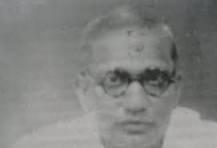
Bhagirathi Mohapatra
Freedom Fighters | 24 April 1892 - 2 August 1975
"Bhagirathi Mohapatra was a prominent freedom fighter, Congress leader, lawyer, and social worker from Odisha. He played a vital role in organizing the freedom movement in Odisha and worked closely with national leaders including Mahatma Gandhi and Pandit Gopabandhu Das."
Born
24 April 1892Birthplace
Cuttack, Odisha, British IndiaDied
2 August 1975Place of Death
Odisha, IndiaNationality
IndianGender
MaleBhagirathi Mohapatra Biography
Bhagirathi Mohapatra was one of the leading architects of Odisha's participation in India's freedom movement. A dedicated nationalist, lawyer, politician, and social reformer, he sacrificed a successful legal career to work for the country's independence and social transformation.
Popularly known as "Bhagu Babu," he played a crucial role in organizing the Indian National Congress in Odisha. As the Founder Secretary of the Utkal Pradesh Congress Committee, he helped establish a strong foundation for the nationalist movement throughout the region.
His lifelong commitment to freedom, social service, and Gandhian ideals earned him an honored place among Odisha's most respected freedom fighters.
Early Life and Family Background
Bhagirathi Mohapatra was born on 24 April 1892 in Cuttack, Odisha, into a respected Karan family. Some historical accounts also associate his family with Chatara village in present-day Jagatsinghpur district.
His parents provided him with a strong educational foundation and encouraged academic excellence.
From an early age, he displayed intelligence, discipline, and an interest in public affairs.
These qualities later helped him emerge as one of the most capable administrators and organizers of Odisha's freedom movement.
Education
Bhagirathi Mohapatra completed his schooling in Odisha before joining Ravenshaw College in Cuttack, one of the most prestigious educational institutions of the period.
He graduated in 1914 and later earned a Master's degree and a Bachelor of Law degree.
His educational achievements allowed him to establish a successful legal career in Cuttack.
He initially worked alongside Utkal Gourab Madhusudan Das, one of Odisha's greatest political leaders.
Beginning of Legal Career
After completing his legal studies, Bhagirathi Mohapatra began practicing law and quickly achieved professional success.
His legal knowledge, communication skills, and commitment to justice earned him recognition among colleagues and clients.
However, as nationalist sentiments spread across India, he became increasingly interested in the struggle against British rule.
Gradually, public service and nationalism became more important to him than professional success.
Marriage to Sarala Devi
In 1917, Bhagirathi Mohapatra married Sarala Devi, who later became one of Odisha's most influential women freedom fighters, writers, and social reformers.
Their marriage developed into a partnership dedicated to public service and national development.
Together, they participated in the freedom struggle and worked tirelessly for social reform.
The couple became one of the most respected nationalist families in Odisha.
Joining the Freedom Movement
The turning point in Bhagirathi Mohapatra's life came after attending national political gatherings and observing the growing influence of Mahatma Gandhi.
Inspired by the Non-Cooperation Movement, he abandoned his legal practice and joined the freedom struggle in 1921.
This decision reflected his willingness to sacrifice personal prosperity for national service.
His commitment soon made him one of the most important Congress leaders in Odisha.
Founder Secretary of Utkal Pradesh Congress Committee
One of Bhagirathi Mohapatra's most important contributions was his role in establishing the Utkal Pradesh Congress Committee (UPCC) in 1921.
Working closely with Utkalamani Gopabandhu Das, he became its Founder Secretary and helped organize Congress activities throughout Odisha.
He remained connected with the organization's growth and development for many years.
His organizational abilities played a major role in strengthening the nationalist movement across the state.
Close Association with Mahatma Gandhi
Bhagirathi Mohapatra was deeply influenced by Mahatma Gandhi's philosophy of truth, non-violence, and self-reliance.
He actively promoted khadi, village development, constructive work, and peaceful resistance to British rule.
Gandhi appreciated his dedication and organizational skills.
This close connection strengthened his role within the broader national movement.
Participation in the Non-Cooperation Movement
Bhagirathi Mohapatra became an active participant in the Non-Cooperation Movement launched by Mahatma Gandhi.
He traveled widely, organized volunteers, and encouraged people to reject colonial institutions and support nationalist causes.
His efforts helped spread political awareness even among rural communities.
The movement marked the beginning of his sustained involvement in India's struggle for freedom.
Arrest and Imprisonment
Because of his active role in anti-colonial activities, Bhagirathi Mohapatra was arrested by British authorities in 1922.
He was sentenced to imprisonment and spent more than two years in jail.
The imprisonment strengthened his determination to continue fighting for India's independence.
Like many nationalist leaders, he regarded these hardships as sacrifices made for the nation.
Peasant Movement and Social Activism
Bhagirathi Mohapatra was actively involved in organizing farmers and supporting peasant movements against exploitation.
He worked to improve conditions for rural communities and advocated social justice.
His commitment to ordinary citizens earned him widespread respect throughout Odisha.
He believed that political freedom should be accompanied by social and economic progress.
Role in the Salt Satyagraha
During the Salt Satyagraha of 1930, he played a major organizational role in coordinating activities in Odisha.
Inspired by Gandhi's campaign against British salt laws, he mobilized people through peaceful resistance and civil disobedience.
His leadership helped expand the movement across different parts of the state.
As a result, he once again faced government repression and surveillance.
Establishment of Alakashram
After his release from prison, Bhagirathi Mohapatra helped establish Alakashram along with Gopabandhu Choudhury, Rama Devi, and Sarala Devi.
The Ashram became an important center for training freedom fighters and promoting Gandhian constructive activities.
Volunteers received training in spinning, self-reliance, rural development, and satyagraha.
The institution played a vital role in Odisha's freedom movement.
Participation in the Quit India Movement
When the Quit India Movement was launched in 1942, Bhagirathi Mohapatra strongly supported the call for immediate independence.
British authorities arrested him before he could actively participate in large-scale activities related to the movement.
He remained imprisoned and was released only in 1944.
His repeated arrests demonstrated the extent of his influence within the nationalist movement.
Legislative and Parliamentary Career
Following his release, Bhagirathi Mohapatra served as a member of the Central Legislative Assembly from 1945 to 1947.
After independence, he continued contributing to public life and democratic governance.
He later represented Odisha in the Rajya Sabha from 1956 to 1962.
His parliamentary career reflected the trust and respect he had earned through decades of public service.
Later Life and Spiritual Interests
In the later years of his life, Bhagirathi Mohapatra gradually reduced his involvement in active politics.
He devoted more time to spiritual reflection, social service, and personal study.
Despite stepping back from political activity, he remained a respected figure among freedom fighters and public leaders.
His wisdom and experience continued to inspire younger generations.
Legacy and Historical Importance
Bhagirathi Mohapatra occupies a significant place in the history of Odisha's freedom movement. As an organizer, nationalist leader, and social reformer, he helped build institutions that strengthened India's struggle for independence.
His contributions to the Congress organization, rural development initiatives, and constructive Gandhian programs left a lasting impact on public life.
His dedication to service and sacrifice continues to be remembered with respect.
He is recognized as one of Odisha's important freedom fighters and political leaders.
Interesting Facts About Bhagirathi Mohapatra
- He was popularly known as "Bhagu Babu".
- He gave up a successful legal career to join the freedom movement.
- He became Founder Secretary of the Utkal Pradesh Congress Committee.
- He worked closely with Gopabandhu Das and Mahatma Gandhi.
- He was imprisoned multiple times by British authorities.
- He played a key role in the Salt Satyagraha movement in Odisha.
- He helped establish Alakashram.
- He served as a Rajya Sabha Member from Odisha.
Frequently Asked Questions (FAQs)
Who was Bhagirathi Mohapatra?
Bhagirathi Mohapatra was a freedom fighter, Congress leader, lawyer, and social reformer from Odisha.
Why is Bhagirathi Mohapatra famous?
He is famous for helping organize the freedom movement in Odisha and serving as Founder Secretary of the Utkal Pradesh Congress Committee.
What was Bhagirathi Mohapatra's role in India's freedom movement?
He participated in the Non-Cooperation Movement, Salt Satyagraha, Quit India Movement, and other nationalist campaigns.
Who was Bhagirathi Mohapatra's wife?
His wife was Sarala Devi, a renowned freedom fighter, writer, and social reformer.
What institutions did Bhagirathi Mohapatra help create?
He helped build the Utkal Pradesh Congress Committee and Alakashram, both important institutions in Odisha's nationalist movement.
Conclusion
Bhagirathi Mohapatra was a devoted patriot whose life reflected sacrifice, integrity, and service. By abandoning a successful legal career and dedicating himself to the freedom movement, he became one of Odisha's most respected nationalist leaders. His contributions to Congress organization, social reform, and India's independence struggle continue to inspire future generations. He remains an important figure in Odisha's rich political and historical heritage.
Comments & Tribute (0)