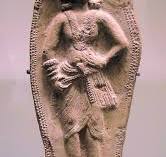
Agnimitra
Ancient India | c. 200 BCE - c. 141 BCE
"Agnimitra was the second ruler of the Shunga Dynasty and the son of Pushyamitra Shunga, the founder of the Shunga Empire. He is best known from the Sanskrit play Malavikagnimitram written by Kalidasa. His reign contributed to the stability and continuity of the Shunga Empire during the post-Mauryan period."
Born
c. 200 BCEBirthplace
Pataliputra, Shunga Empire (Present-day Patna, Bihar, India)Died
c. 141 BCEPlace of Death
Vidisha, Shunga Empire (Present-day Madhya Pradesh, India)Nationality
Ancient IndianGender
MaleAgnimitra Biography
Agnimitra was the second ruler of the Shunga Dynasty and one of the important kings of post-Mauryan India. He succeeded his father, Pushyamitra Shunga, and continued the administration of the Shunga Empire during a period of political consolidation and cultural growth. Agnimitra is especially remembered through the famous Sanskrit play Malavikagnimitram by Kalidasa, which provides valuable insights into his life and court.
Early Life
Agnimitra was born into the royal Shunga family and was the son of Emperor Pushyamitra Shunga, the founder of the Shunga Dynasty.
As a prince, he received education in administration, military affairs, diplomacy, and traditional learning. His upbringing prepared him to play an important role in managing the growing Shunga Empire.
Governor of Vidisha
Before becoming emperor, Agnimitra served as the governor of Vidisha, an important administrative center of the Shunga Empire located in present-day Madhya Pradesh.
His experience as governor helped him acquire practical knowledge of governance, public administration, and military management.
Vidisha was also a major center of trade and culture, contributing to Agnimitra's political development.
Accession to the Throne
After the death of Pushyamitra Shunga, Agnimitra ascended the throne as the second ruler of the Shunga Dynasty.
He inherited an empire that had recently replaced the Mauryan Empire as the dominant political power in northern India.
His reign focused on maintaining stability and preserving the achievements of his father.
Military Activities
Agnimitra continued the military traditions established by the Shunga rulers. Historical sources indicate that he was involved in conflicts with neighboring kingdoms and regional powers.
His military efforts helped safeguard the territories of the Shunga Empire and maintain its influence across northern and central India.
These campaigns contributed to the stability of the kingdom during a period of regional competition.
The Vidarbha Campaign
One of the most notable events associated with Agnimitra was the conflict with the kingdom of Vidarbha.
According to literary sources, the dispute involved succession issues within the Vidarbha kingdom. Agnimitra supported one claimant and eventually achieved success in the campaign.
The resolution of this conflict enhanced Shunga influence in central India.
Malavikagnimitram and Kalidasa
Agnimitra gained lasting fame through Malavikagnimitram, a Sanskrit drama composed by the celebrated poet Kalidasa.
The play narrates a romantic story involving Agnimitra and Malavika, a beautiful maiden at the royal court.
Although primarily a literary work, the play provides valuable information about court life, politics, and cultural practices during the Shunga period.
The association with Kalidasa's work has made Agnimitra one of the best-known rulers of the Shunga Dynasty.
Administration and Governance
Agnimitra continued many of the administrative systems established by Pushyamitra Shunga. He relied on provincial officials and local administrators to govern the empire effectively.
His administration emphasized law and order, tax collection, and regional stability.
These policies helped maintain the prosperity and continuity of the Shunga state.
Religion and Culture
The Shunga period witnessed significant cultural and religious activity. Agnimitra supported traditional Indian religious institutions and cultural development.
His reign continued the broader cultural revival associated with the Shunga era, which saw advancements in literature, art, architecture, and learning.
Religious diversity remained an important feature of society during this period.
Art and Architecture
Although specific architectural projects directly linked to Agnimitra are limited in historical records, the broader Shunga period contributed significantly to Indian artistic traditions.
Numerous monuments, sculptures, railings, and decorative works associated with the Shunga age demonstrate the artistic growth of the period.
The cultural environment supported by rulers like Agnimitra played a role in preserving and developing Indian heritage.
Political Significance
Agnimitra ruled during an important phase in Indian history when the Shunga Empire was establishing itself as the successor to Mauryan authority.
His reign provided continuity and stability to the dynasty and helped strengthen its position among the regional powers of Ancient India.
Death
Agnimitra is believed to have died around 141 BCE after ruling the Shunga Empire for several years.
He was succeeded by later Shunga rulers who continued the dynasty's control over large parts of northern India.
Legacy
Agnimitra is remembered as an important ruler of the Shunga Dynasty who contributed to the stability and growth of the empire after its foundation.
His association with Kalidasa's celebrated drama ensured that his name remained prominent in Indian literary and historical traditions.
Historical Significance
Historians recognize Agnimitra as a significant figure in post-Mauryan India. His reign helped preserve the political system established by Pushyamitra Shunga and ensured the continuation of Shunga influence.
His depiction in classical Sanskrit literature provides a unique combination of historical and cultural importance.
Honours and Recognition
- Second ruler of the Shunga Dynasty.
- Son and successor of Pushyamitra Shunga.
- Former governor of Vidisha.
- Hero of Kalidasa's famous play Malavikagnimitram.
- Contributor to the stability of the Shunga Empire.
- Remembered as an important king of Ancient India.
Conclusion
Agnimitra played a significant role in maintaining the strength and continuity of the Shunga Empire after its establishment. Through military leadership, administrative capability, and patronage of culture, he contributed to one of the important chapters of Ancient Indian history. His enduring presence in Sanskrit literature and historical records continues to preserve his legacy as a notable ruler of the Shunga Dynasty.
Comments & Tribute (0)